
← Back
12/10/1979 • 6 views

Soviet Troop Movements Raise Cold War Alarm in December 1979
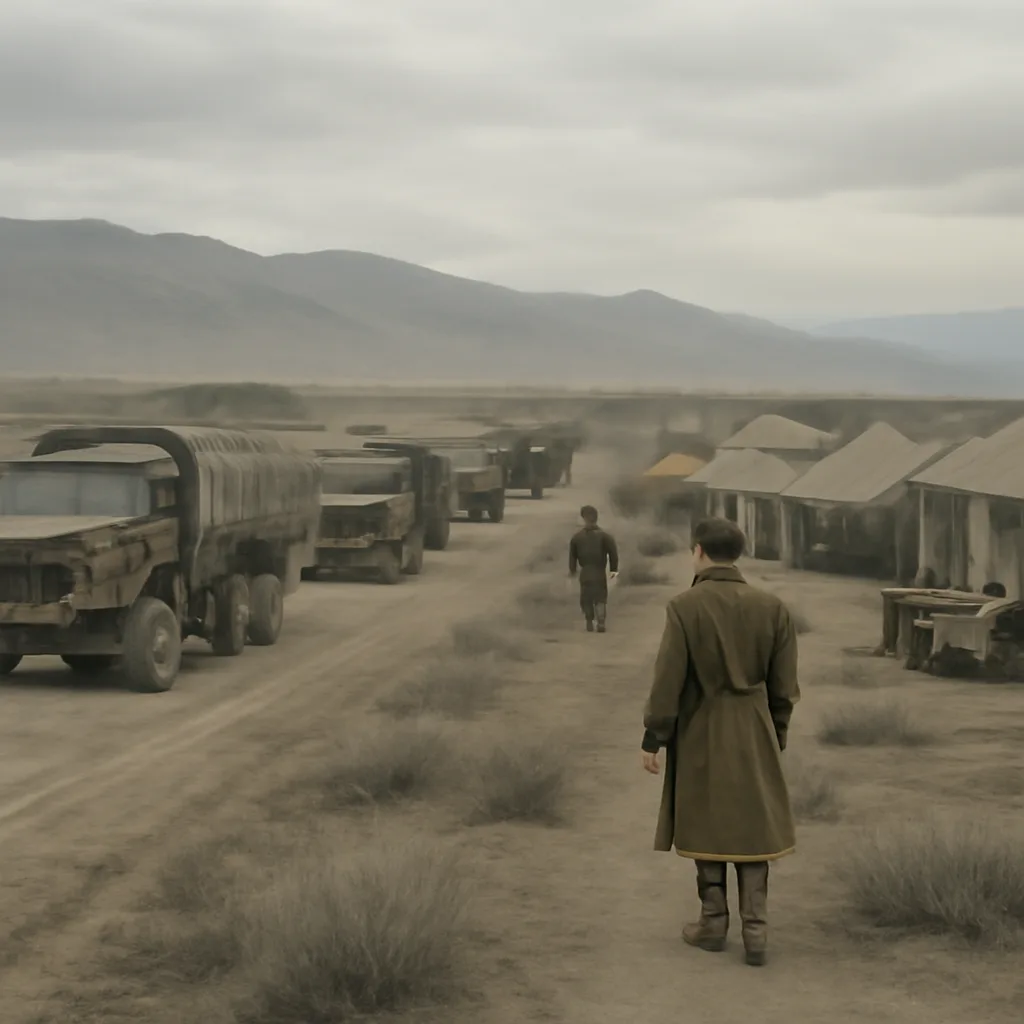
Soviet military transport vehicles and columns on a dusty road in a Central Asian landscape in late 1970s military staging, with tents and supply trucks; no identifiable faces.

On December 10, 1979, reports of increased Soviet troop movements near Afghanistan and neighboring regions heightened Cold War tensions, prompting urgent diplomatic exchanges and concern among Western governments about Soviet intentions and regional stability.


On December 10, 1979, intelligence and media reports that Soviet forces were moving into positions near Afghanistan and along key approaches intensified Cold War anxieties in the West. The movements followed months of political turmoil inside Afghanistan after the late 1978 Saur Revolution and growing instability under the PDPA (People’s Democratic Party of Afghanistan). Western governments and regional actors viewed the Soviet actions as potentially decisive for Afghanistan’s future and for broader East-West relations.

Context
By late 1979 Afghanistan was embroiled in factional fighting, uprisings against the government, and a collapsing security situation. The Soviet Union had been providing political, economic, and military assistance to the Kabul government for several years. Soviet leadership framed its engagement in terms of supporting a fraternal socialist government and preserving stability on its southern border; Western officials portrayed Soviet moves as expansionist and a threat to regional balance.

Reports and reactions
Contemporaneous press dispatches and government briefings indicated increased Soviet troop concentrations, airlift activity, and logistics build-up in Soviet Central Asian republics and in areas adjacent to Afghanistan. Western capitals, including Washington and London, expressed alarm and sought clarification through diplomatic channels. NATO allies convened discussions to assess the military and political implications. Regional governments, notably Pakistan and Iran, voiced concern over potential spillover and the humanitarian consequences for civilians.

Diplomatic and military implications
Diplomatically, the episode produced urgent exchanges: Western diplomats demanded explanations, and the United Nations and other international bodies monitored developments closely. Militarily, analysts evaluated possible Soviet objectives—ranging from stabilizing a friendly regime in Kabul to a full-scale intervention—and assessed implications for NATO posture, U.S. assistance to regional partners, and Middle Eastern alignments.

Information limits and uncertainty
At the time, public information was incomplete and often politicized. Intelligence estimates varied, and officials on all sides were cautious about confirming specifics. Some contemporaneous sources warned against drawing firm conclusions from troop movements alone, noting routine Soviet rotations and exercises in Central Asia. Historians emphasize that while troop deployments and logistical preparations were real, the secrecy of Soviet decision-making meant that external observers could not definitively discern Moscow’s final intentions until subsequent actions made them clear.

Aftermath and significance
Within weeks of these December reports, the Soviet Union launched a large-scale military intervention in Afghanistan on December 24–27, 1979, sending regular forces into the country. The December 10 reports thus represented a critical moment in which external observers detected preparatory activity and growth in tension. The intervention that followed led to a decade-long conflict with substantial regional and global consequences: a protracted insurgency in Afghanistan, strained East-West relations, increased U.S. and allied support for Afghan resistance, and lasting impacts on neighboring states.

Scholarly perspective
Scholars examining the period caution that contemporary media and diplomatic reactions to troop movements must be understood within Cold War contestation and limited open-source intelligence. Retrospective archival research has clarified some decision processes in Moscow and Kabul, but debates continue among historians about the precise timing and drivers of the final decision to intervene. What is clear from primary records is that December 1979 was a decisive month when observable Soviet military preparations materially heightened international concern and set the stage for the intervention that followed.

Share this

Email Share on X Facebook Reddit

Did this surprise you?