
12/14/1985 • 5 views
1985 European food poisoning scandal linked to contaminated oil products
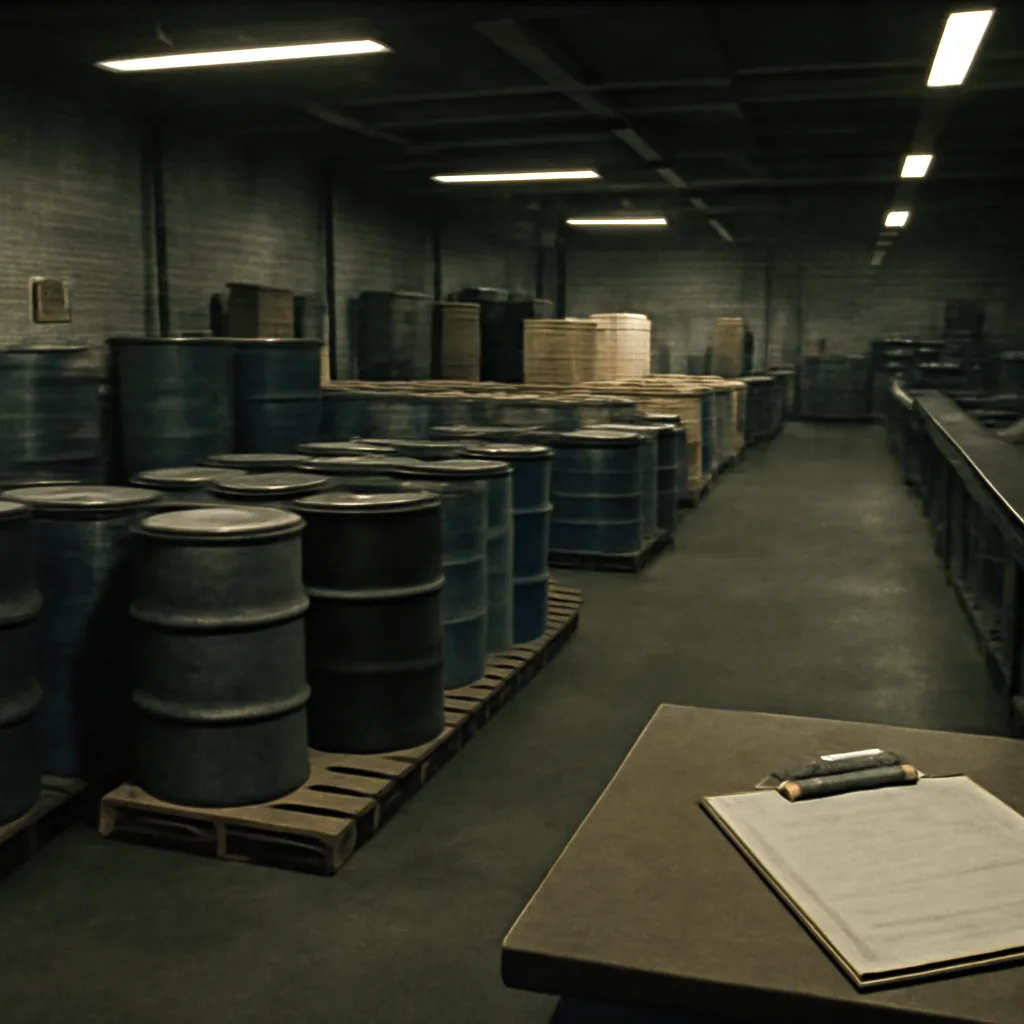
In December 1985 a major food-contamination crisis emerged in Europe after toxic adulteration of industrial oils used in food production was linked to hundreds of poisonings and deaths; investigations exposed regulatory gaps and prompted changes in food safety oversight.
The crisis was first noticed when hospitals reported unusual clusters of severe poisoning with similar clinical presentations. Public health investigators, toxicologists and law enforcement agencies mobilized to trace the source. Laboratory analyses detected toxic compounds consistent with industrial solvents and denaturants not permitted in food-grade oils. Investigations revealed that some distributors and food producers, under economic pressure and amid weak regulatory enforcement in parts of Europe, had purchased cheaper industrial rapeseed oil and attempted to refine or mask it for human consumption.
The scandal affected multiple countries, though the scale and attribution varied by national inquiry. Official counts of illnesses and fatalities differed between jurisdictions, and historians and public-health reviewers have noted that incomplete record-keeping and limited cross-border coordination at the time complicated a comprehensive tally. Nonetheless, the event exposed systemic weaknesses: insufficient separation between industrial and food-grade supply chains, inadequate labeling and testing, and limited capacity for rapid information-sharing among European regulators.
Public reaction was intense. Consumers distrusted packaged and prepared foods linked to the scandal; some governments imposed immediate bans or recalls on suspect products and tightened inspection regimes. Legal proceedings followed in several countries, leading to prosecutions of traders, middlemen and, in some cases, manufacturers found responsible for adulterating or improperly sourcing oils. The cases highlighted the role of economic incentives—cheaper industrial oils sold at a discount to food processors facing tight margins—and lax oversight that allowed such substitutions to occur.
In the aftermath, national authorities and regional bodies reviewed food-safety regulations and enforcement mechanisms. The scandal contributed to reforms aimed at clearer distinctions between industrial and food-grade chemical supplies, improved labeling and traceability, stricter penalties for food adulteration, and enhanced laboratory capacity for detecting nonfood contaminants. It also motivated better cross-border cooperation on food-safety alerts, which later evolved with European integration and the development of more formal rapid-alert systems.
Scholars and public-health analysts consider the 1985 poisoning scandal an important case study in modern food-safety governance: a consequence of economic pressures, supply-chain opacity and regulatory gaps that produced acute public-health harm and spurred institutional changes. Some details—such as total global counts of affected persons and the full list of implicated companies—remain patchy in public records, owing to inconsistent reporting at the time and the complex, transnational nature of supply chains. Nonetheless, the episode is widely cited in retrospective analyses as a turning point that helped shape stronger food-quality controls in Europe.