
07/06/1992 • 5 views
1992: A Year of Royal Separations Shakes the British Monarchy
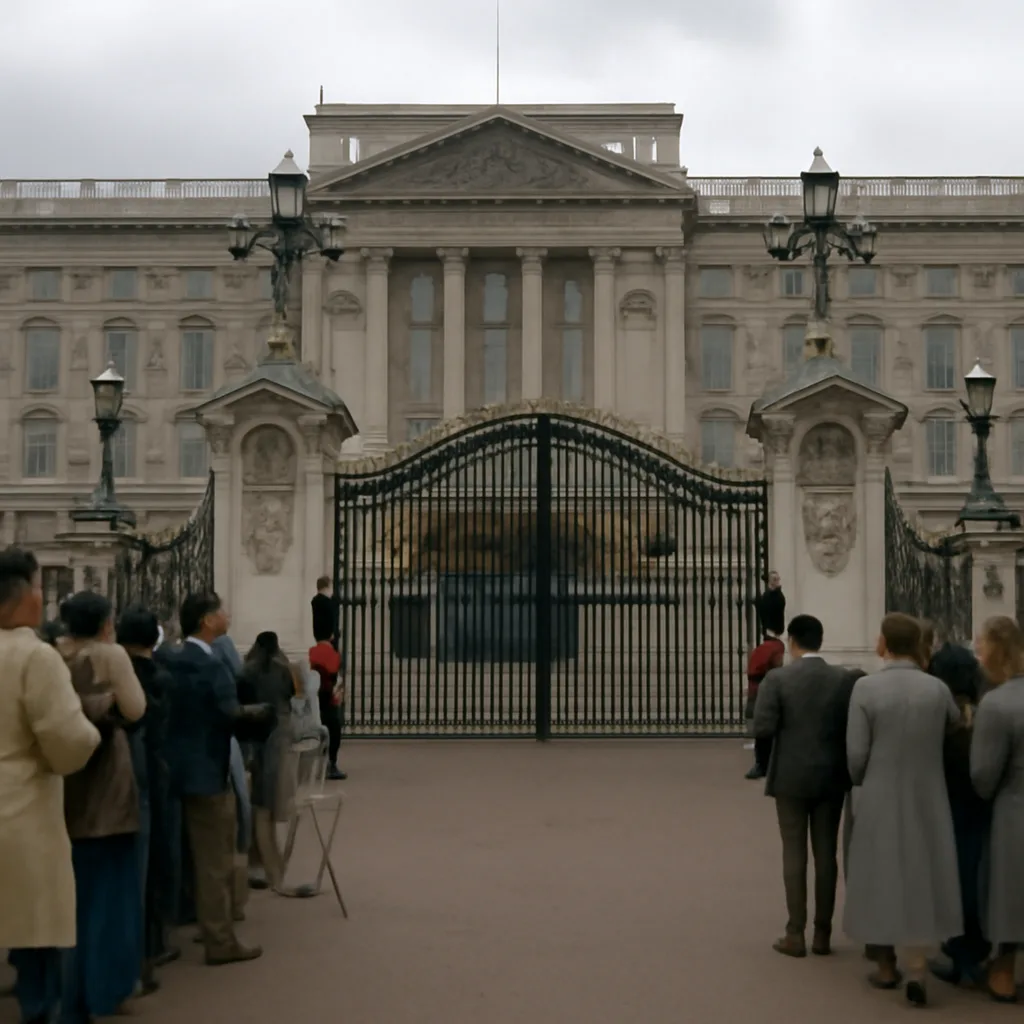
In July 1992, the British royal family faced a wave of separation and divorce announcements that exposed private strains and prompted public debate about the monarchy’s role and resilience.
Context
1992 was already described by Queen Elizabeth II as an “annus horribilis” in a speech later that year. Several senior members of the royal family experienced marital breakdowns that year or announced separations that soon led to divorce, attracting sustained media attention and public discussion about royal privacy, modern marriage, and the monarchy’s place in contemporary Britain.
Key developments
- Princess Anne and Captain Mark Phillips: The marriage of the Queen’s only daughter, Princess Anne, and Olympic equestrian Mark Phillips, ended in divorce in April 1992 after 19 years of marriage. The split followed years of reported strains and public speculation about extramarital relationships on both sides. Their divorce was one of the early high-profile royal breakups of the decade.
- The Duke and Duchess of York: Prince Andrew’s marriage to Sarah Ferguson effectively ended in separation with their formal divorce finalized later in the decade. Throughout 1992 they were the subject of intense tabloid coverage, and their difficulties contributed to the sense of royal instability.
- The Prince and Princess of Wales: The marriage of Prince Charles and Princess Diana, already widely reported as troubled, saw further public revelations and mounting pressure in 1992. Although the couple did not officially divorce in July, the year featured key moments that signalled an irreversible breakdown, including public admissions of difficulties and widely reported accounts of separation. Their separation was formally announced in December 1992 and divorce was finalized in 1996.
Public reaction and consequences
The cluster of separations and divorces intensified scrutiny of the royal family’s private lives. Tabloid media coverage was relentless, feeding a cycle of scandal and reaction. At the same time, the monarchy faced questions from politicians, commentators and the public about how it should respond to modern expectations of transparency, behaviour and accountability.
Institutional responses
Buckingham Palace and other royal residences issued statements at various times to confirm separations or divorces and to ask for privacy, a stance that increasingly came under strain. The spate of domestic crises contributed to discussions within the palace about public relations, the management of royal image, and the need to adapt traditions to contemporary media realities.
Legacy
The events of 1992 are often cited as a turning point that exposed vulnerabilities within the monarchy and accelerated conversations about modernization. The year’s public ruptures prompted later changes in how the royal household handled communications and family matters, and they influenced public perceptions of successive generations of royals. While individual decisions to separate or divorce were private matters, their public handling had lasting effects on the monarchy’s relationship with the British public and the media.
Notes on sources and certainty
The timing and sequence of separations and divorces in 1992 are matters recorded in contemporary news coverage and later historical accounts. Some personal details surrounding relationships and motives remain private or contested; this summary does not assert private conversations or unverified claims about individuals’ intentions.