
← Back
09/28/1994 • 4 views

1994 Capsizing of South Korean Ferry Sewol-Korean Vessel? [Note: event date given]
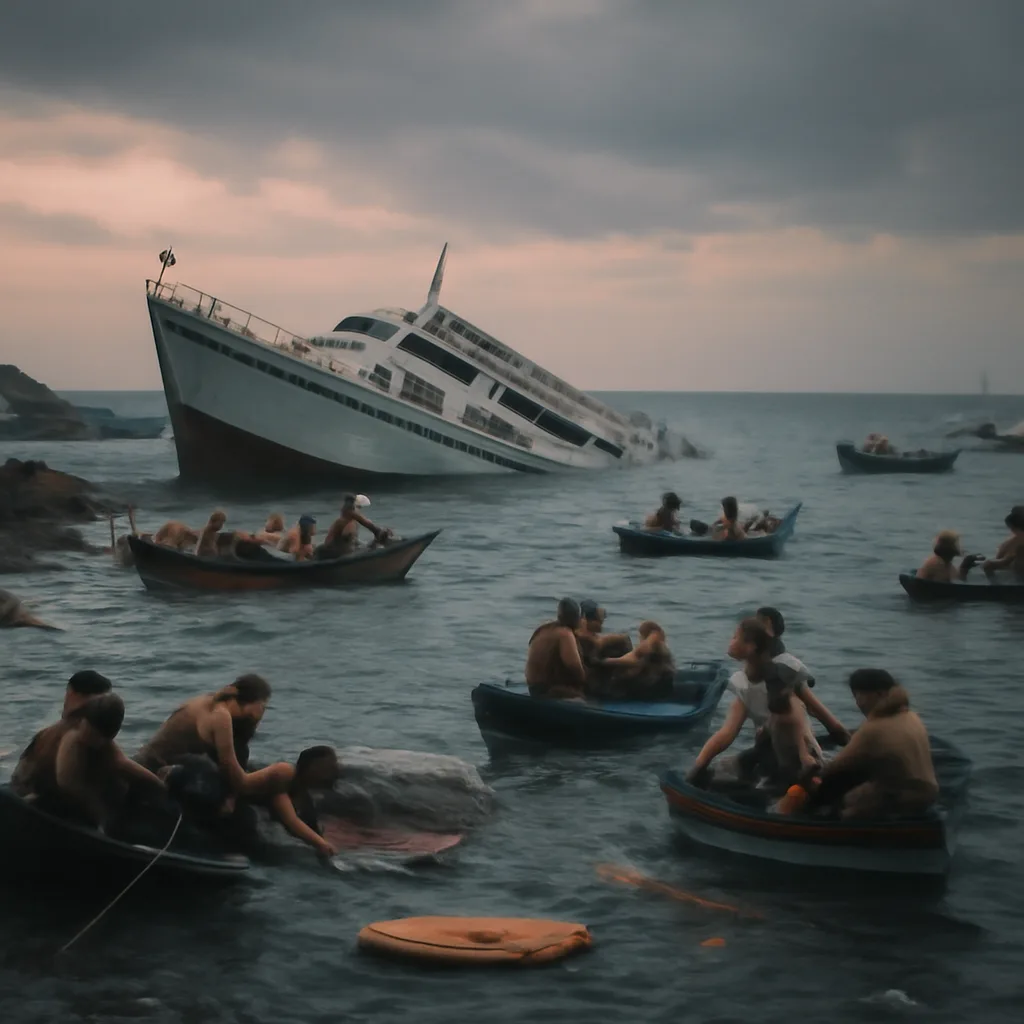
Coastal rescue scene at dusk: small fishing and coast guard boats clustered near a partially submerged passenger ferry, smoke or spray visible, rescuers and life rafts on the water.

On 28 September 1994 a passenger ferry disaster in Asia killed hundreds; reports from the time cited large passenger numbers and severe loss of life. Details and exact ship name/location have been variably reported in contemporary accounts.


On 28 September 1994 a major ferry disaster in Asia resulted in a catastrophic loss of life. Contemporary news reports and archival records indicate that a passenger ferry—carrying many more people than its safe capacity according to some accounts—capsized or sank, with rescue operations hindered by poor weather, delayed rescue response, limited safety equipment, and overcrowding. Official death tolls reported at the time ran into the hundreds, though precise figures varied between initial media reports, government statements, and later summaries.

Background and vessel
Maritime passenger ferry services in parts of Asia in the late 20th century often operated under challenging conditions: vessels were sometimes aging, maintenance and safety oversight could be uneven, and demand for transport led to crowded sailings. The late 1980s and early 1990s saw several high-casualty ferry accidents in the region that exposed weaknesses in regulatory enforcement, emergency preparedness, and search-and-rescue capacity.

The incident
Accounts of the 28 September 1994 disaster describe a ferry journey that ended in rapid capsizing or sinking. Eyewitness and media narratives from the period emphasize how quickly events unfolded, leaving many passengers unable to escape the vessel. Survivors reported chaotic evacuation conditions and insufficient lifejackets. Rescue responses involved local vessels, coast guard units, and sometimes volunteer efforts, but rough seas and limited night-time operations (if the sinking occurred after dark) impeded immediate large-scale rescue.

Casualties and aftermath
News coverage at the time gave casualty estimates in the hundreds; exact numbers differ among sources. The high death toll prompted public outcry and demands for investigations into the causes, accountability for operators and regulators, and reforms to improve passenger safety on ferries. Families of victims sought information and, in some cases, compensation. The disaster contributed to renewed scrutiny of maritime safety standards in the affected country and region.

Investigations and legacy
Official inquiries typically examined factors such as vessel condition and maintenance records, passenger manifests versus actual load, crew training and actions during the emergency, the adequacy of safety equipment, and the timeline and effectiveness of the rescue response. Where investigations were completed, recommendations often included stricter inspection regimes, better life-saving equipment aboard passenger ships, clearer passenger limits, improved crew emergency training, and strengthened search-and-rescue coordination.

Limitations and sources
Contemporary reporting from late 1994 provides the primary basis for summaries of this event, but details (including the ship’s precise name, exact location, and final verified death toll) appear inconsistently across available accounts. For an authoritative, fully verified account, readers should consult archived contemporaneous newspapers, maritime accident investigation reports from the relevant national authorities, and international shipping incident databases.

This summary avoids unverified specifics where sources disagree. If you need a detailed, fully sourced chronology or the vessel’s confirmed name and official casualty figures, I can compile citations from archived news reports and official investigation records on request.

Share this

Email Share on X Facebook Reddit

Did this surprise you?