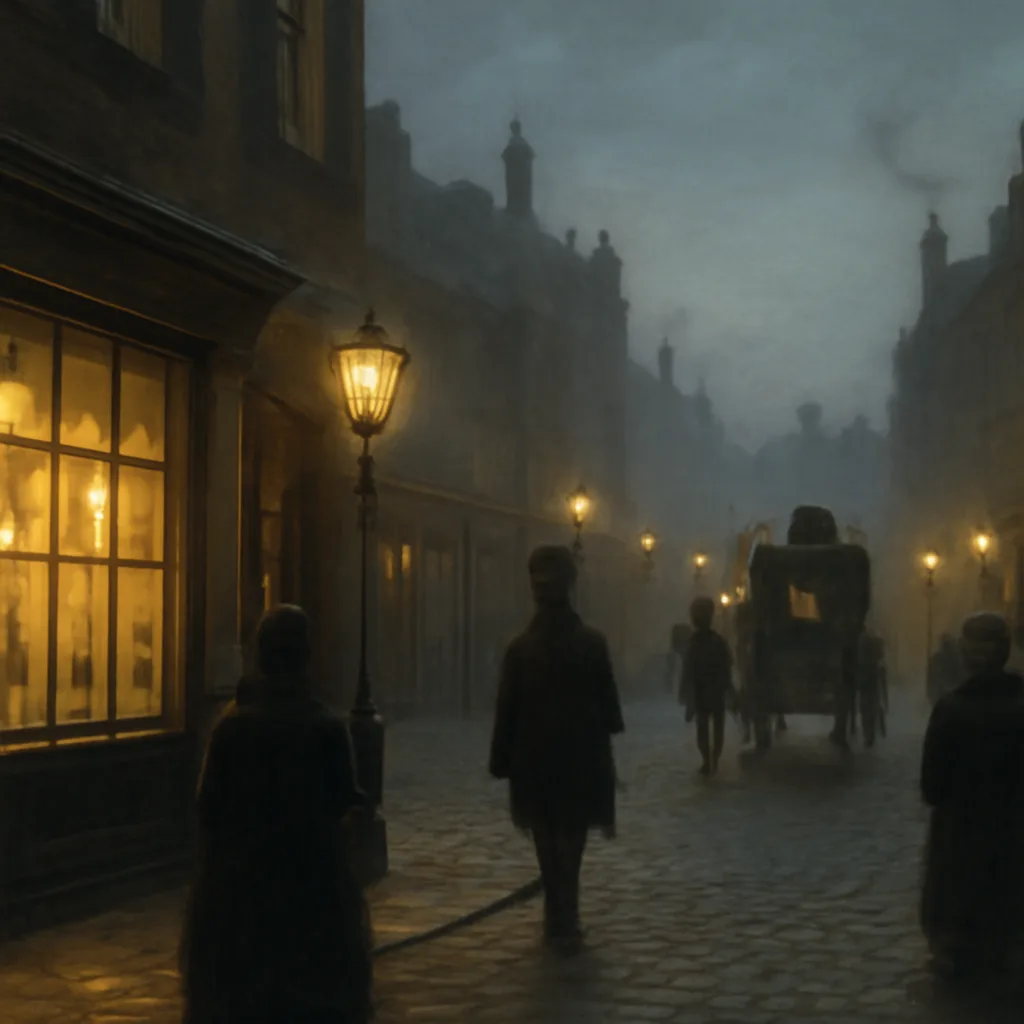
On December 19, 1843, Charles Dickens’s novella A Christmas Carol was published in London, quickly becoming a popular and influential work that helped shape Victorian ideas about Christmas, charity, and social reform.
On December 19, 1843, Charles Dickens’s A Christmas Carol: In Prose, Being a Ghost Story of Christmas was published by Chapman & Hall in London. Dickens wrote the book in the summer and autumn of 1843 and supervised its production closely, choosing engravings by John Leech and commissioning a single-volume, cloth-bound format intended to be affordable yet attractive. The first edition was sold at five shillings and included 184 pages and four wood-engraved illustrations.
A Christmas Carol tells the story of Ebenezer Scrooge, a miserly London moneylender who is visited on Christmas Eve by the ghost of his former partner Jacob Marley and by three spirits representing his own past, present, and future. Through these supernatural visits Scrooge confronts his life and attitudes and ultimately reforms, embracing generosity and concern for others. The novella’s combination of social critique, sentimental narrative, and supernatural elements appealed to a broad readership.
Context and reception: Dickens published the book at a time of growing public interest in Christmas traditions. The novella tapped into contemporary debates about poverty, charity, and industrial society; Dickens’s depictions of London’s working poor and his emphasis on personal responsibility and social compassion resonated with many readers. Reviews were mixed to favorable: some critics praised its moral urgency and imaginative power, while others found its sentimentality excessive. Despite those mixed early notices, A Christmas Carol became commercially successful and was quickly reprinted; Dickens himself read from the story at public readings, which further increased its publicity.
Influence and legacy: A Christmas Carol has had a lasting cultural impact. It contributed to the revival and reshaping of Christmas customs in Victorian Britain—emphasizing family gatherings, feasting, charity to the poor, and festive goodwill—and advanced public conversation about social reform. The tale was adapted almost immediately for the stage and has since been translated, adapted, and retold in countless forms, including theatre, film, radio, and television. While some elements commonly associated with modern Christmas celebrations derive from broader Victorian trends, Dickens’s vivid portrayal of charitable giving, communal festivity, and moral transformation helped popularize those themes.
Authorship and production notes: Dickens conceived the story rapidly and with deliberate purpose. He intended the book as both entertainment and a moral appeal, aiming to reach middle- and upper-class readers whose behavior could affect the circumstances of the poor. He controlled many aspects of its presentation—choosing the illustrator, overseeing typesetting and binding, and setting the sale price—to achieve a specific public effect. Financially, Dickens did not receive a large advance; rather, his earnings came through royalties and subsequent editions and readings.
Historical caveats: While A Christmas Carol is often credited with single-handedly creating modern Christmas customs, historians note that Dickens’s work was one influential element among many. The novella amplified and popularized certain themes and images—ghostly visitations, celebration of family, and charitable obligation—but did not invent the holiday or its full repertoire of practices. Contemporary responses also varied across Britain and abroad, and the long-term influence of the book unfolded over decades.
In sum, the publication of A Christmas Carol on December 19, 1843, marked a pivotal moment in Dickens’s career and in nineteenth-century cultural life: a widely read, theatrically adaptable story that married social critique to popular storytelling and helped shape Victorian—and later—conceptions of Christmas and communal responsibility.