
← Back
06/26/2003 • 4 views

Supreme Court Invalidates State Sodomy Laws in Landmark 2003 Ruling
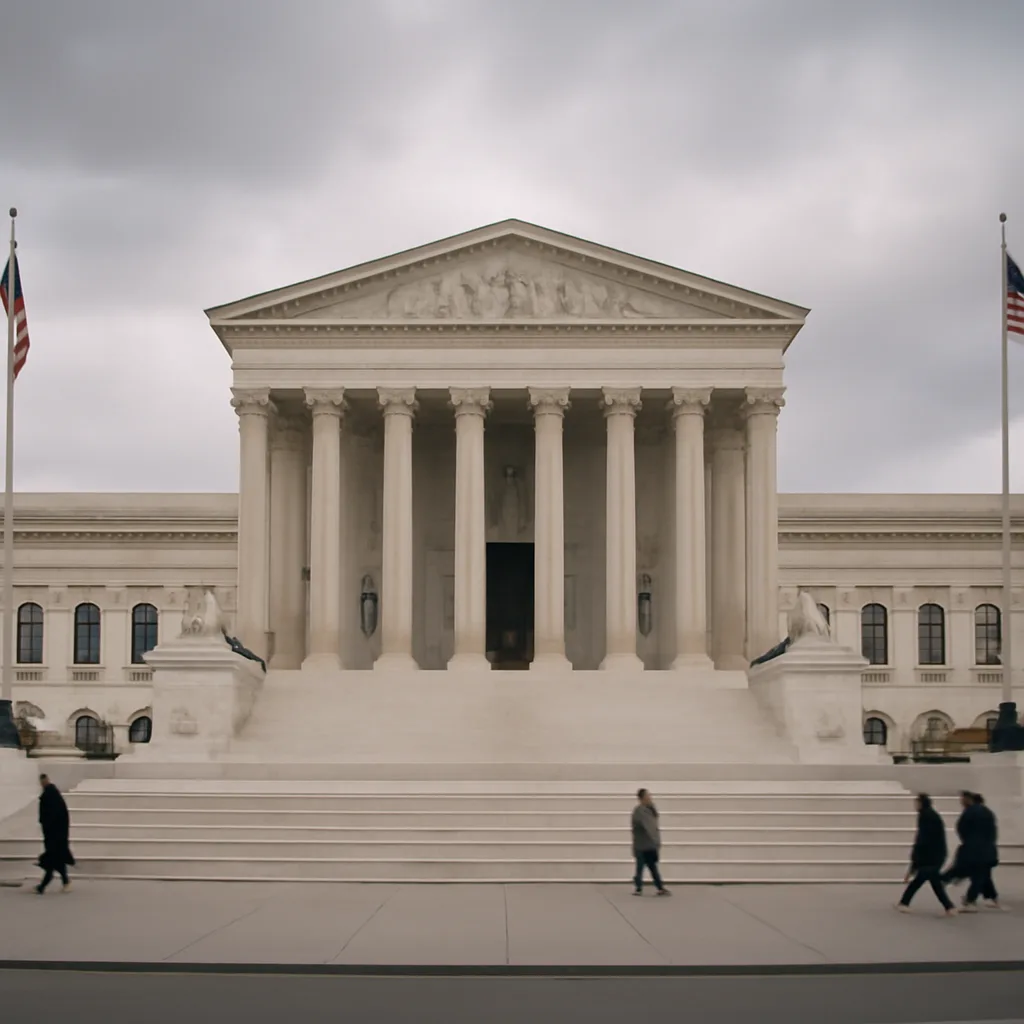
U.S. Supreme Court building exterior with steps and columns, Washington, D.C., representing the 2003 ruling striking down state sodomy laws.

On June 26, 2003, the U.S. Supreme Court ruled that state laws criminalizing private, consensual same-sex sexual conduct are unconstitutional, overturning prior precedent and marking a major victory for LGBTQ rights.


On June 26, 2003, the U.S. Supreme Court issued a 6–3 decision in Lawrence v. Texas that struck down state laws criminalizing consensual sodomy between adults. The Court held that such laws violated the Due Process Clause of the Fourteenth Amendment by intruding on private, intimate conduct between consenting adults. The ruling explicitly overruled the Court’s 1986 decision in Bowers v. Hardwick, which had upheld a Georgia statute criminalizing sodomy.

Background: For decades, many U.S. states maintained statutes that criminalized certain sexual acts, commonly referred to as sodomy laws. These statutes were enforced unevenly and disproportionately targeted LGBTQ people. In 1986, the Supreme Court in Bowers v. Hardwick upheld a Georgia sodomy statute, finding no constitutional protection for acts of sodomy. That precedent left state laws intact and contributed to criminal prosecutions and social stigma.

Case and decision: Lawrence v. Texas arose after police entered a private residence in Houston and arrested two men, John Lawrence and Tyron Garner, under a Texas statute that prohibited sexual intimacy between persons of the same sex. Challenging their convictions, the case reached the Supreme Court. Writing for the majority, Justice Anthony Kennedy emphasized liberty and individual autonomy, concluding that adults have the right to engage in private consensual sexual conduct without government intervention. The Court found that moral disapproval alone was not a sufficient justification for criminalizing private sexual behavior.

Legal impact: By declaring sodomy laws unconstitutional, the decision invalidated similar statutes in 13 states that still had such laws on the books and rendered unenforceable remaining statutes elsewhere. The ruling removed a major legal tool used to criminalize and marginalize LGBTQ individuals and laid groundwork for subsequent legal advances in LGBTQ rights, including arguments used in later cases concerning same-sex relationships and marriage.

Social and political context: The decision came amid shifting public attitudes toward LGBTQ people and followed decades of activism. Reactions were mixed: advocates for LGBTQ equality hailed the ruling as a decisive repudiation of discriminatory criminal laws, while some religious and conservative groups expressed opposition. The ruling did not itself resolve all questions about LGBTQ rights but marked a pivotal constitutional recognition of privacy and liberty protections for same-sex intimacy.

Limitations and legacy: Lawrence v. Texas addressed criminal laws governing private consensual sexual conduct; it did not directly decide issues such as same-sex marriage or other civil rights claims. Nevertheless, its constitutional reasoning—centered on dignity, autonomy, and liberty—was cited in later cases, including Obergefell v. Hodges (2015), which recognized a constitutional right to same-sex marriage. The decision also spurred legislative efforts in some states to repeal defunct sodomy statutes from state codes.

Contested points: Historical accounts agree on the case outcome and its immediate legal effects; scholars debate the decision’s doctrinal basis and its longer-term role in constitutional jurisprudence. The ruling remains a central reference point in discussions of privacy, sexual autonomy, and the Court’s role in protecting minority rights.

Share this

Email Share on X Facebook Reddit

Did this surprise you?