
← Back
07/10/1940 • 5 views

London Bombed as Battle of Britain Intensifies
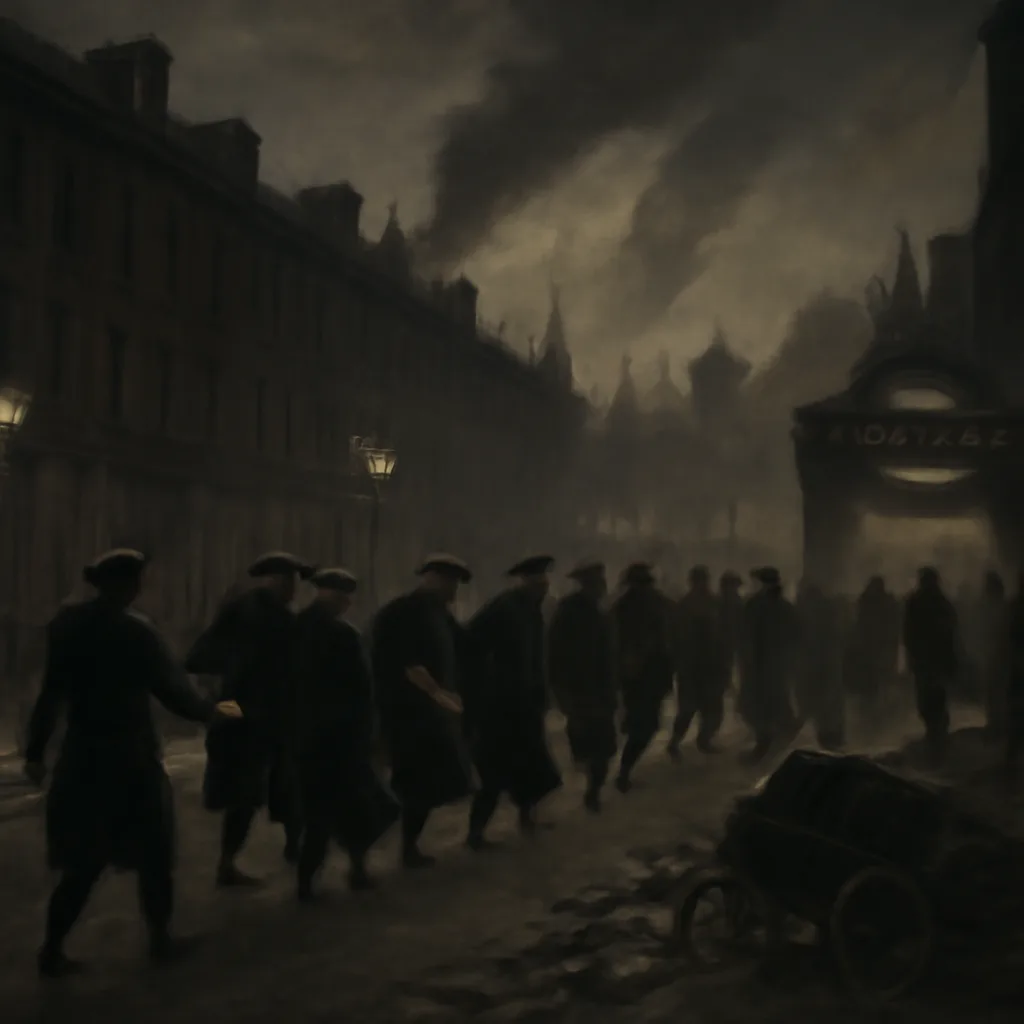
Wartime London skyline at dusk with smoke rising in the distance, blackout curtains drawn in windows and people moving toward Underground station entrances; no identifiable faces.

On 10 July 1940, German air attacks struck London for the first time in significant numbers as the Battle of Britain escalated, marking a shift from attacks on Channel targets to strikes on the British capital.


On 10 July 1940 London experienced one of the earliest significant air attacks on the city during the summer phase of World War II’s Battle of Britain. Until this point, Luftwaffe operations had concentrated largely on ports, coastal installations and Royal Air Force (RAF) fighters and airfields. The raid on 10 July signaled a widening of German targets that would, over the coming weeks and months, bring sustained bombing to the capital and other British cities.

Background
By mid-1940 the Luftwaffe sought to establish air superiority in preparation for a possible invasion of Britain (Operation Sea Lion). During June and early July German air operations focused on attacking convoys, ports and shipping in the English Channel, and on RAF radar stations and airfields. RAF Fighter Command, led by Air Chief Marshal Hugh Dowding, mounted determined defensive operations that inflicted losses on German bomber and fighter formations.

The raid and its immediate effects
On 10 July 1940 German bomber formations conducted attacks that included strikes on London. The scale and frequency of raids on the capital would increase in the weeks that followed, but 10 July is often cited as an early example of the Luftwaffe extending operations inland from the coast. Bombing resulted in civilian casualties, damage to buildings and interruption of normal life; many Londoners sought shelter in Underground stations and other safe locations during raids.

Tactical and strategic significance
The move to attack London and other urban areas had several impacts. Tactically, it forced RAF Fighter Command to divert resources to defend a broader set of targets and to operate over more congested airspace. Strategically, attacks on cities aimed to erode British morale and disrupt war production and civil administration. Historians note, however, that British civil defence preparations, including blackout procedures, shelter provision and rapid repair work, reduced the potential impact of early raids.

Civilian experience and response
Londoners in summer 1940 faced the psychological strain of aerial bombardment for the first time on a larger scale. Many households practiced blackout measures and prepared improvised shelters; municipal authorities organized rescue and first-aid teams. Public communications from government and local authorities emphasized stoicism and the continuity of services, while voluntary organizations and local councils stepped in to assist those made homeless by blasts.

Aftermath and longer-term context
The raid of 10 July preceded an intensification of Luftwaffe operations that culminated in the large-scale daylight and night bombing campaigns of August and September 1940. In September, sustained attacks on London—later termed the beginning of the Blitz—became a central feature of the air war over Britain. While the Luftwaffe sought to break British air defences and civilian morale, RAF resilience and British civil defence measures played significant roles in sustaining the nation’s resistance.

Sources and cautions
Contemporary government records, RAF operational reports and later historical studies document the pattern of Luftwaffe operations in July 1940 and the gradual expansion of targets to include London. Exact numbers of aircraft and casualties for individual raids can vary among sources; accounts of specific incidents should be cross-checked with official records (such as the Air Ministry and Home Office reports) and reputable secondary histories. This summary avoids unverified casualty figures and focuses on the event’s operational and social significance.

Share this

Email Share on X Facebook Reddit

Did this surprise you?