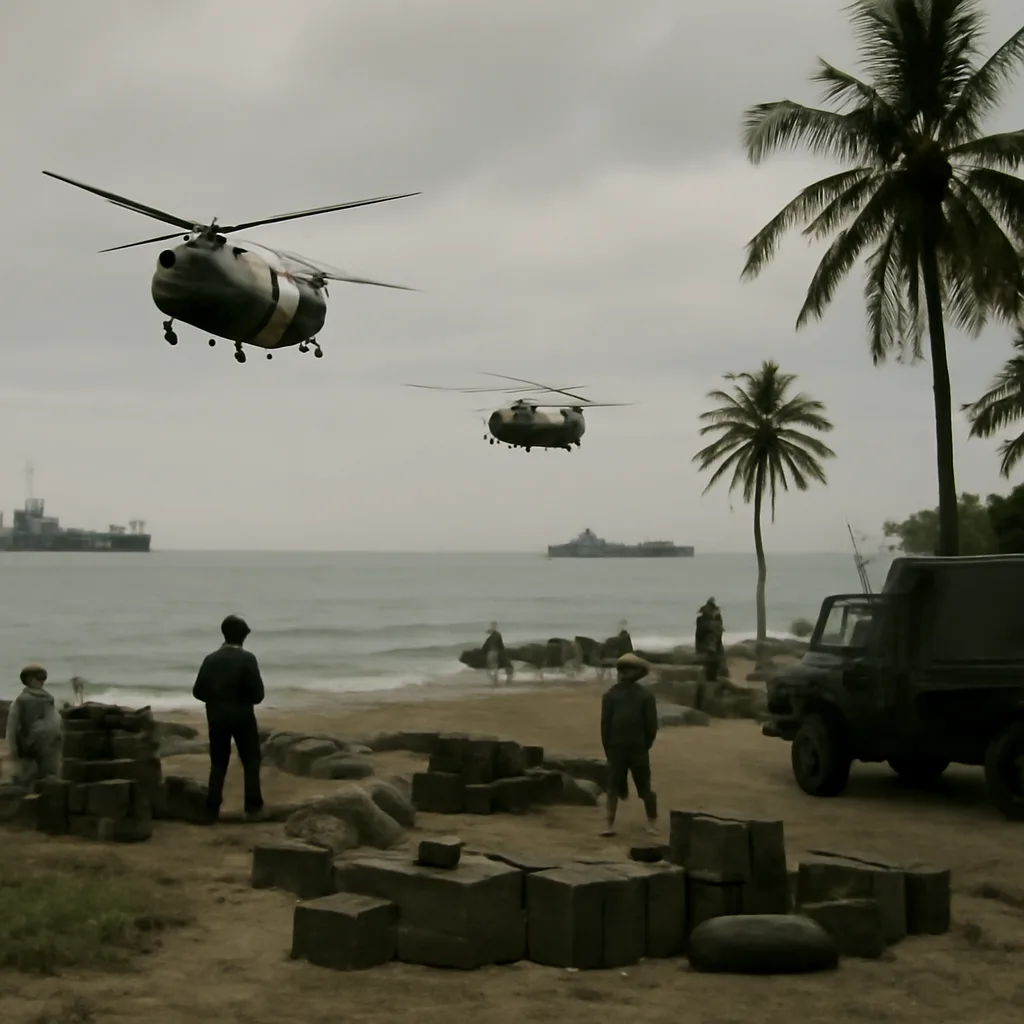
United States Formally Ends Direct Involvement in Vietnam War
On December 29, 1973, the United States formally ended its direct military involvement in the Vietnam War when the last remaining U.S. military personnel supporting South Vietnam were withdrawn, marking the close of a major chapter in American foreign policy begun in the 1950s.
Background and lead-up
U.S. involvement in Vietnam began in the 1950s with aid and advisory support to the French and, after French withdrawal, to the anti-communist government in South Vietnam. The commitment expanded through the 1960s into a large-scale combat presence. By the late 1960s and early 1970s, rising U.S. casualties, domestic opposition, and shifting political priorities prompted efforts to disengage.
Policy shifts and Vietnamization
Under President Richard Nixon and his national security team, the policy of "Vietnamization" aimed to transfer combat responsibilities to the South Vietnamese armed forces while gradually withdrawing U.S. combat troops. Simultaneously, diplomatic efforts, including multilateral and bilateral negotiations with North Vietnam, sought a political settlement. The 1973 Paris Peace Accords (January 27, 1973) led to a ceasefire and the release of some prisoners, but they did not end hostilities between North and South Vietnam.
End of direct involvement, December 29, 1973
Although major combat units had largely left Vietnam by 1972–1973, the U.S. maintained a residual presence of military personnel in the region for advisory, logistical, and liaison functions. On December 29, 1973, the United States formally declared the end of its direct military involvement in the Vietnam War when the last of those supporting forces were withdrawn from Vietnam and U.S. military activity in mainland Vietnam ceased. This withdrawal reflected both earlier troop reductions and the legal and political constraints imposed by Congress, including restrictions on further military engagement without explicit authorization.
Consequences and continuing conflict
The formal end of U.S. direct involvement did not bring peace to Vietnam. Fighting between North and South continued after 1973. The South Vietnamese government remained dependent on American economic and military assistance, which declined after 1973. In April 1975 North Vietnamese forces captured Saigon, leading to the fall of South Vietnam and the reunification of the country under communist rule. For the United States, the war’s end in 1973 prompted debates about foreign policy, military intervention, and veterans’ care, and led to changes in how Congress exercised war powers.
Historical significance
December 29, 1973 marks a formal closing point for U.S. direct military engagement in Vietnam rather than an immediate resolution of the conflict. The date is significant for signaling a shift from active combat operations to a post-combat relationship focused on diplomacy, aid, and the consequences of withdrawal. Scholars and policymakers view the withdrawal as part of a broader reassessment of U.S. interventionism that influenced subsequent U.S. foreign policy decisions.
Notes on sources and terminology
Descriptions here rely on established historical timelines and widely documented events—troop withdrawals, the 1973 Paris Peace Accords, and the fall of Saigon in 1975. Specific counts of personnel and precise administrative dates for residual support activities vary in archival records; when discrepancies exist, historians note phased departures rather than a single instantaneous exit.