
← Back
12/29/2016 • 7 views

Chartered plane carrying Chapecoense team crashes in Colombia, killing most on board
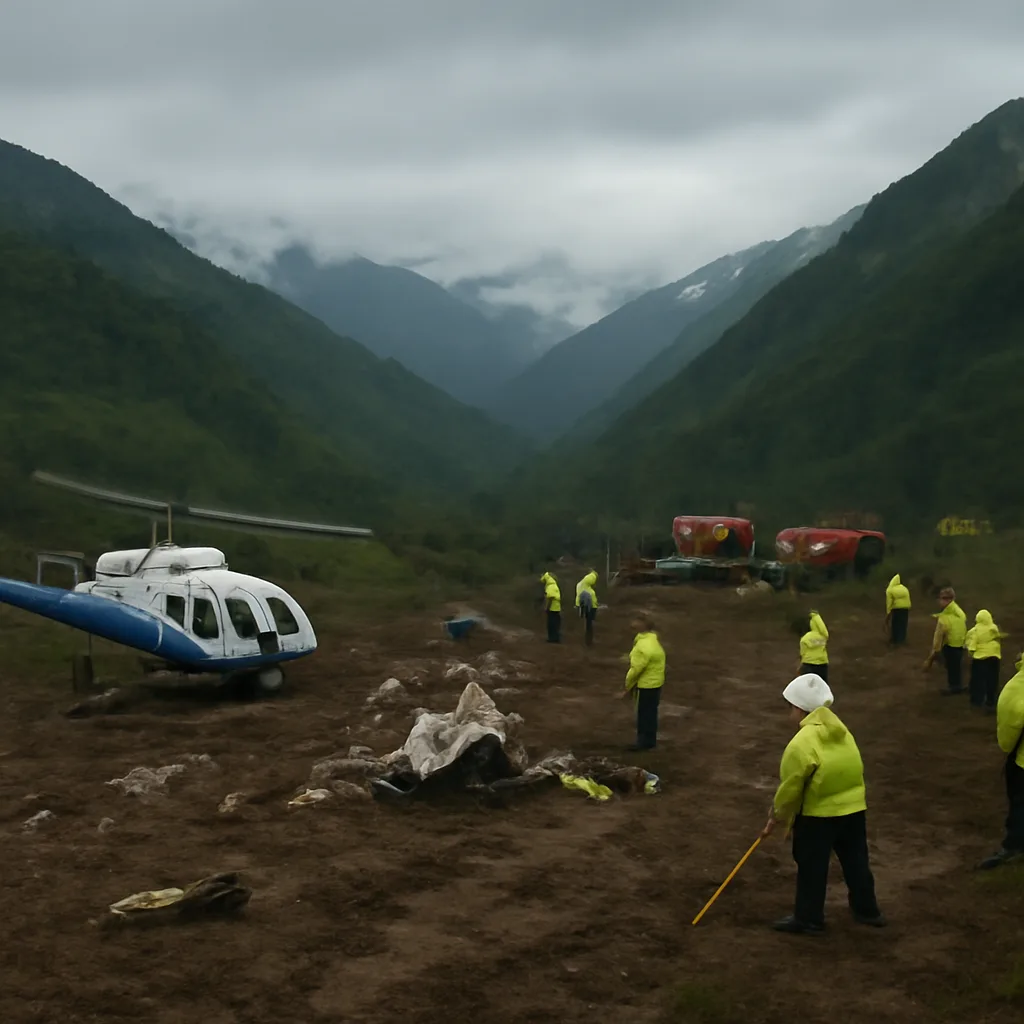
Wreckage site on a hillside near La Unión, Colombia, with emergency personnel and responders at the scene during daylight; smoky, mountainous terrain and rescue vehicles visible.

On 29 December 2016 a chartered flight carrying the Chapecoense football club and accompanying staff crashed near Medellín, Colombia, killing the majority of those aboard. The accident devastated the Brazilian club and prompted international mourning and offers of support.


On 29 December 2016, LaMia Flight 2933, a chartered Avro RJ85, was carrying the Brazilian football club Associação Chapecoense de Futebol and associated staff, journalists and crew to Medellín, Colombia, for the first leg of the 2016 Copa Sudamericana final. The aircraft crashed on approach to José María Córdova International Airport near the village of La Unión in the municipality of La Ceja, in mountainous terrain southeast of Medellín.

Of the 77 people on board (72 passengers and 5 crew), 71 died either on impact or shortly thereafter; six people initially survived the crash, though not all survived their injuries. Among the dead were the majority of Chapecoense's first-team players, coaching staff, club executives, and a large contingent of Brazilian media covering the trip. The club’s goalkeeper Danilo and defender Neto were among those who died; goalkeeper Jackson Follmann survived the crash but later had a leg amputated and retired from professional football. Goalkeeper Follmann, defender Neto, and other details are part of widely reported casualty lists; some survivor identities and later medical outcomes were confirmed over subsequent days and weeks.

The crash prompted a swift international response. Governments, football clubs, governing bodies including CONMEBOL and FIFA, and fans around the world expressed condolences. Atlético Nacional, Chapecoense’s scheduled opponent in the Copa Sudamericana final, requested that CONMEBOL award the title to Chapecoense in recognition of the tragedy; CONMEBOL agreed and awarded Chapecoense the 2016 Copa Sudamericana title. Numerous clubs offered to loan players, donate funds, or otherwise assist Chapecoense in rebuilding.

Investigations into the cause of the accident were conducted by Colombian aviation authorities (Aerocivil) with participation from Brazil’s Aeronautical Accidents Investigation and Prevention Center (CENIPA) and other parties. Final reports concluded that the aircraft ran out of fuel during the flight and suffered fuel exhaustion, leading to a total loss of thrust and subsequent crash. The investigation cited inadequate flight planning, insufficient fuel reserves, and operational shortcomings by the airline, LaMia, as key factors. Subsequent legal proceedings, regulatory actions, and scrutiny of LaMia and related operators followed.

The disaster led to broader scrutiny of charter operations in South America, changes in oversight and regulatory enforcement, and a reevaluation of safety and contractual practices for sports team travel. In Brazil and internationally, memorials were held for the victims, and Chapecoense received widespread solidarity, financial support, and offers to help reconstitute the squad. The club later rebuilt its team and continued participating in national and continental competitions.

The loss remains one of the deadliest aviation disasters involving a sports team and had a lasting impact on the global football community, prompting discussions on travel safety for sports teams and the responsibilities of charter operators. Details about casualty lists, survivor accounts, and legal outcomes were documented in official investigations and contemporary news reporting.

Share this

Email Share on X Facebook Reddit

Did this surprise you?