
12/11/1975 • 5 views
Military Coup Ousts Elected Government in South America
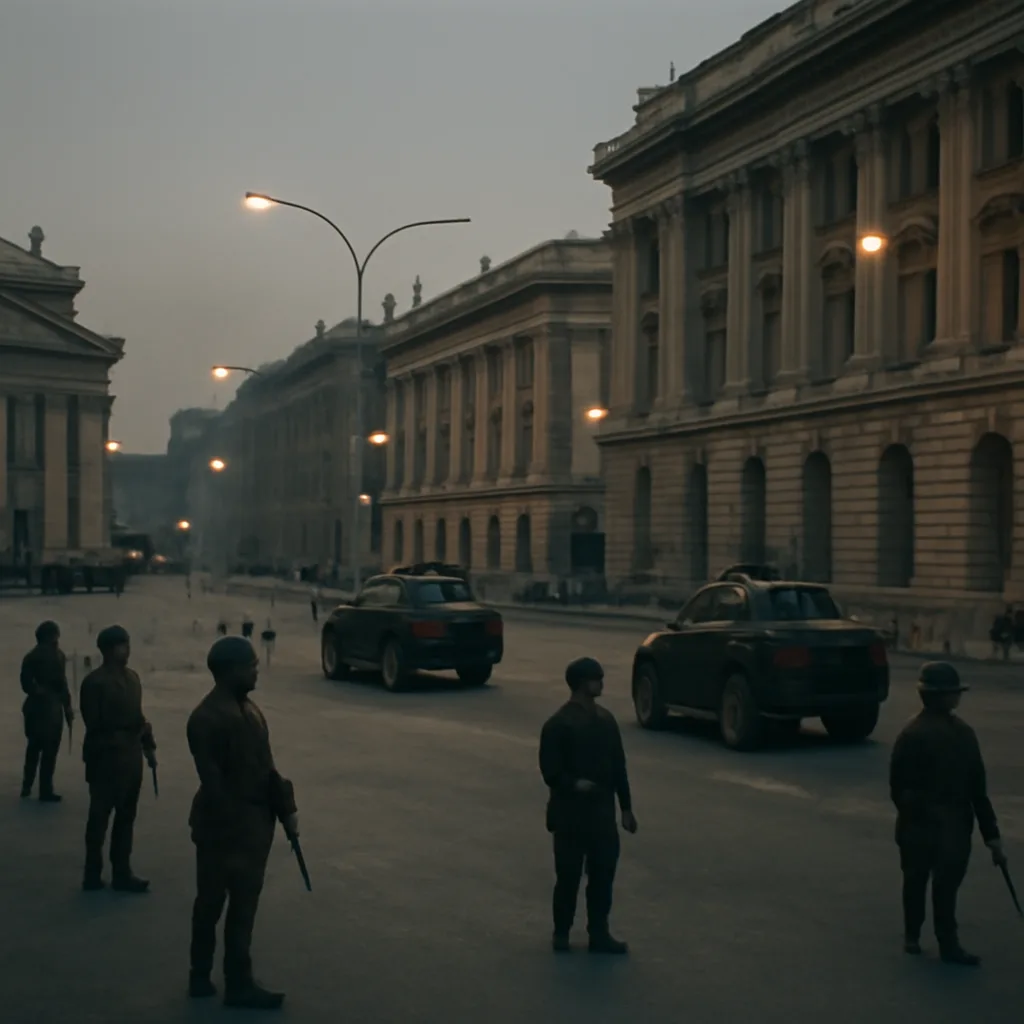
On December 11, 1975, military forces deposed the democratically elected government in a South American nation, closing institutions and imposing curfews as senior officers claimed control. The seizure triggered arrests of officials and international concern over the suspension of constitutional rule.
Events and immediate measures
In the hours after the takeover, military leaders announced the suspension of the constitution, closure of the national legislature, and the imposition of a nationwide curfew. Key government offices, broadcasting stations, and transportation hubs were secured by troops. Several ministers, high-ranking civil servants, and political activists were detained; some public servants were placed under house arrest. Communications with foreign capitals and regional organizations reported rapidly as diplomats sought explanations and assurances for the safety of their nationals.
Political context
The ousted government had been elected in prior contests characterized by contentious debate over economic policy, land reform, or social programs—issues that often provoked sharp divisions within society and the security forces. In the months leading up to December 11, tensions escalated between the executive branch and conservative elements in the military and business sectors, who accused the government of undermining order and national institutions. The armed forces justified their intervention by citing alleged threats to stability and public order, a common rationale used in coups across the region during the Cold War era.
Domestic and regional reactions
Domestically, reactions were mixed and evolved quickly: supporters of the removed government staged protests and attempts at organized resistance in some urban areas, while sectors fearful of instability or of radical policies initially welcomed the military presence. Labor unions, student groups, and human-rights organizations expressed alarm about the suspension of democratic rights and the risk of repression.
Internationally, neighboring states, regional bodies, and Western powers issued statements calling for restraint and urging restoration of constitutional rule; some governments temporarily suspended aid or condemned the seizure outright. The coup occurred within a broader regional pattern during the 1960s–1980s when several Latin American countries experienced military interventions in politics.
Human-rights and governance implications
Following the takeover, there were credible concerns that civil liberties would be curtailed: press censorship, restrictions on assembly, and expanded powers for security services are frequently implemented in such circumstances. Historically, military regimes in the region have at times employed detention, internal exile, and extrajudicial measures against perceived opponents; whether such patterns would occur in this instance depended on the junta’s internal composition and its stated objectives. Independent monitoring by human-rights groups and foreign embassies typically becomes a focal point for documenting abuses and providing assistance.
Economic and long-term effects
The immediate economic impact included market uncertainty, capital flight, and disruptions to trade and investment as businesses and investors reassessed political risk. In the longer term, military rule has led in some countries to either the entrenchment of authoritarian governance and curtailed political pluralism or, in other cases, to negotiated transitions back to civilian rule; outcomes often hinge on internal divisions within the armed forces, popular mobilization, and international pressure.
Uncertainties and historical note
Precise details about the identities of the coup leaders, the structure of the governing body they established, and the full scale of repression or resistance may have been unclear in the immediate aftermath and often become better documented over time through archival research, journalism, and human-rights investigations. The December 11 date situates this event in the broader historical pattern of military interventions in Latin America during the Cold War, but specifics such as subsequent legal arrangements, duration of control, and eventual outcomes require further primary-source confirmation.
This summary focuses on verifiable patterns and immediate consequences common to military coups in the region while noting areas where contemporaneous accounts and later historical research are necessary to establish a full record.