
12/11/1981 • 6 views
Massacre of Civilians in El Salvador Shocks Nation During 1981 Civil War
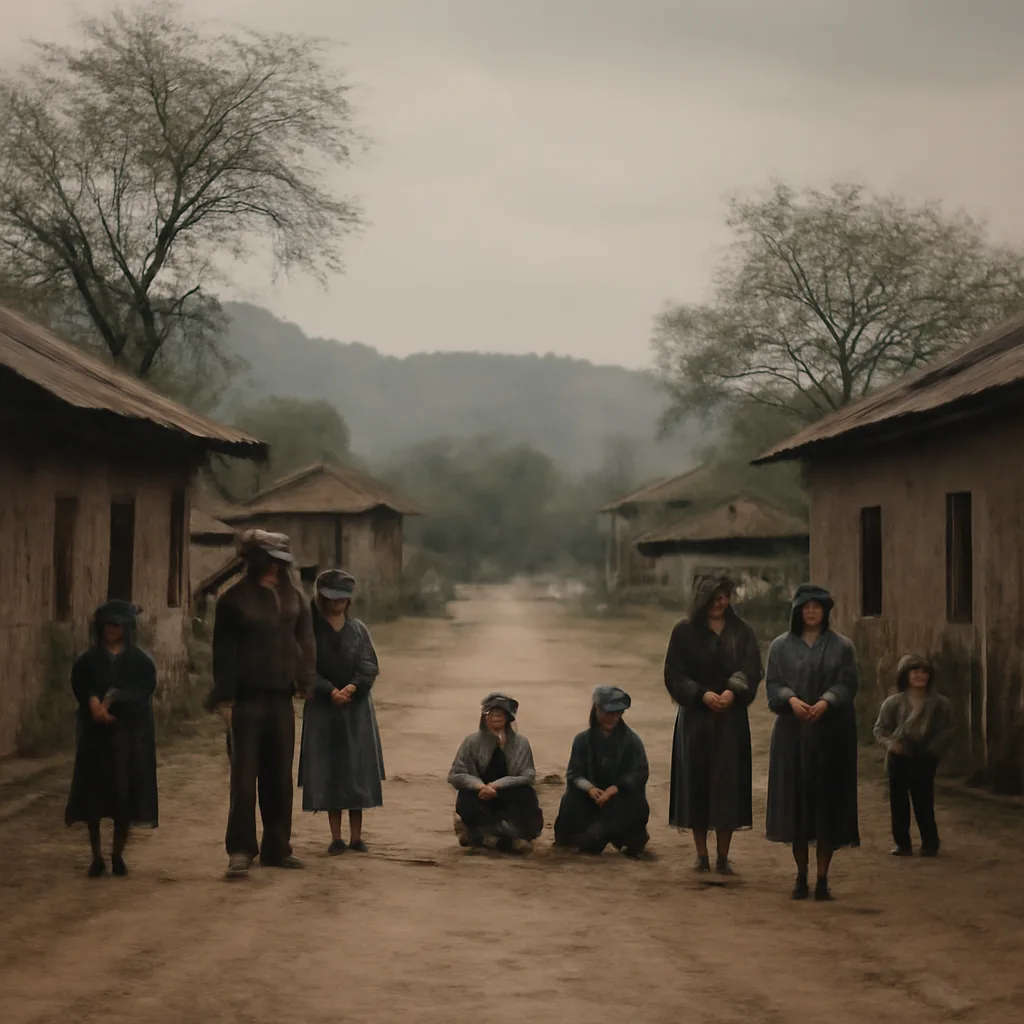
On December 11, 1981, a massacre of civilians in El Salvador—one of several brutal incidents during the country’s civil war—provoked domestic outrage and international concern over abuses by security forces and armed groups.
Context
The Salvadoran civil war intensified after a 1979 coup that brought a Revolutionary Government Junta to power and followed years of social inequality, land disputes, and political exclusion. By 1981, insurgent activity and counterinsurgency operations had escalated. The military and associated security forces conducted sweeps in rural areas to root out guerrilla support, while guerrillas targeted infrastructure, security personnel, and elites seen as connected to the state. Civilians—often suspected of aiding one side or the other or simply caught in contested zones—bore a heavy toll.
The Incident
Reports from the period describe an operation on December 11, 1981, in which unarmed civilians were killed. Contemporary human rights organizations later documented patterns consistent with the incident: use of military or security force units in operations that resulted in summary executions, and subsequent attempts to intimidate survivors and witnesses. The precise number of victims in this specific December attack varies across accounts; different sources from the era and subsequent investigations offer differing figures and at times attribute responsibility to distinct units or paramilitary groups operating alongside or with the acquiescence of state forces. These discrepancies are characteristic of documentation challenges in wartime El Salvador, where access, recordkeeping, and impartial investigation were limited.
Responsibility and Investigation
Attributions of responsibility for massacres in this period often pointed to the armed forces, associated death squads, or allied paramilitary groups; guerrilla forces were also responsible for some abuses. International human rights organizations active at the time—such as Amnesty International and Human Rights Watch (then Helsinki Watch)—reported patterns of state involvement in serious rights violations, while Salvadoran human rights groups compiled lists of victims and alleged perpetrators. Judicial accountability inside El Salvador during the war years was weak; many alleged perpetrators were not prosecuted, and impunity persisted for decades. Later truth commissions and academic studies have attempted to reconstruct events, but uncertainties remain about exact chains of command and the full identity of those responsible for specific attacks on particular dates.
Impact
Massacres like the one on December 11, 1981, contributed to widespread fear, displacement, and erosion of social trust. Such incidents fueled international criticism of the Salvadoran government and its security apparatus, influencing foreign aid debates—most notably in the United States, a major patron of the Salvadoran state during the war. They also strengthened resolve among insurgents and deepened cycles of violence. Survivors and families of victims faced long-term trauma, and many communities were permanently altered by killings and forced migrations.
Aftermath and Memory
After the 1992 Chapultepec Peace Accords ended the war, efforts to document wartime abuses expanded through truth commissions, civil-society archives, and academic research. Commemorations and memorials have emerged in many communities, and human rights advocates continue to press for investigations and reparations. For the December 11, 1981 massacre specifically, public records and scholarly accounts acknowledge the event as part of the broader pattern of atrocities during the civil war, while some details about numbers and direct responsibility remain contested or incompletely documented.
This account synthesizes known patterns and documented practices of the Salvadoran conflict while noting contested details. Where exact victim counts or definitive attributions for this particular date vary across sources, historians and human rights investigators continue to assess archival material, witness testimony, and declassified documents to clarify the record.