Nelson Mandela Freed After 27 Years on Robben Island
On December 11, 1990, Nelson Mandela was released from Victor Verster Prison after 27 years in custody, marking a pivotal step toward dismantling apartheid and opening negotiations for South Africa's democratic transition.
On 11 December 1990 Nelson Mandela walked free after 27 years in prison, ending a decades-long chapter of sustained resistance and state repression in South Africa. Mandela, a leader of the African National Congress (ANC) and a prominent symbolic figure of anti-apartheid struggle, had been imprisoned since 1962 and sentenced to life in 1964 after the Rivonia Trial. He spent most of his incarceration on Robben Island and later at Pollsmoor and Victor Verster prisons. His release followed increasing domestic unrest, international pressure, and a series of negotiations and reforms initiated by President F.W. de Klerk’s government earlier that year.
Mandela’s release was the product of a changing political landscape. The apartheid state faced mounting economic sanctions, diplomatic isolation, and internal resistance including strikes, protests, and armed actions by anti-apartheid groups. Beginning in February 1990, de Klerk announced the unbanning of the ANC and other liberation movements and the release of political prisoners. Negotiations between government officials and imprisoned or exiled ANC representatives had been tentative and fraught, but they created openings that culminated in Mandela’s freedom.
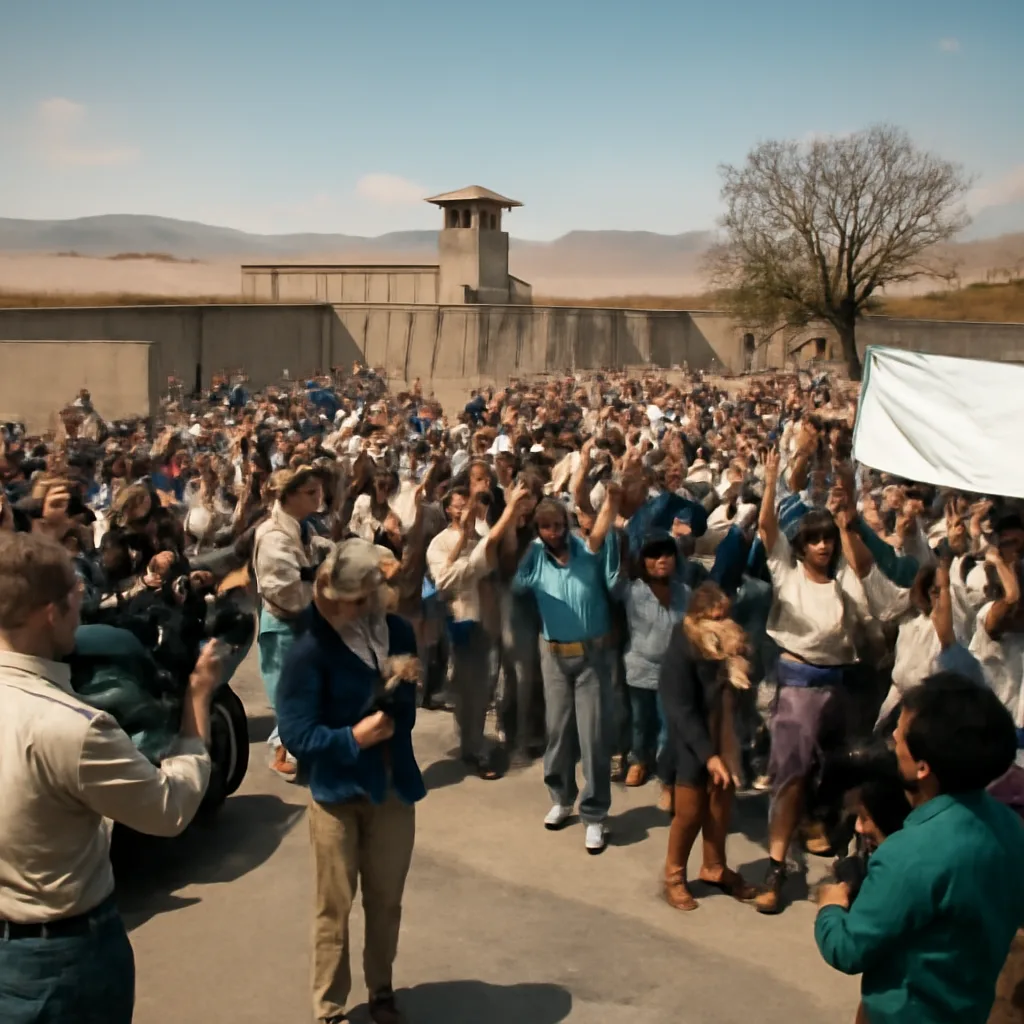
On the day of his release Mandela left Victor Verster Prison (now Drakenstein Correctional Centre) near Paarl, Western Cape. He walked out to a crowd of supporters and international press; over the following months he resumed public political engagement, meeting with de Klerk and other leaders to negotiate a path toward ending apartheid. Those negotiations would lead to a negotiated transition featuring an interim constitution, multiracial elections, and ultimately the 1994 election that brought Mandela to the presidency.
Mandela’s release did not end violence or political uncertainty in South Africa. The early 1990s saw outbreaks of political violence, particularly between rival community-based and party-linked groups, and skepticism persisted on both sides about the durability and content of negotiations. Mandela himself cautioned against unrealistic expectations and worked to broker compromises that would address white South African fears while securing genuine majority rule.
International reaction was swift: governments, religious leaders, and human rights organizations celebrated Mandela’s release as a major victory for human rights and a hopeful sign for peaceful change. At home, thousands gathered to welcome him, while the ANC and other organizations accelerated talks on a transitional framework. Mandela’s stature as both a negotiator and moral authority grew; he emphasized reconciliation and inclusivity as guiding principles for the transition, though the balance between justice, reparation, and national unity remained contested.
Historically, Mandela’s release is remembered as a turning point that helped make South Africa’s negotiated transition possible. It symbolized the weakening of institutional apartheid and the increasing viability of a multiracial democratic order. At the same time, the release was only one milestone in a complex process that required sustained political labor, compromise, and social change. Debates about economic inequality, land, and social justice that predated and followed apartheid have persisted into the post-apartheid era.
This account focuses on verifiable events around Mandela’s release and its immediate political context. Specific details—such as private negotiations, individual decision-making within security and political structures, and the full extent of behind-the-scenes diplomacy—involve contested interpretations among historians and participants and are subject to ongoing research and differing perspectives.