
01/18/2007 • 6 views
CIA Releases Files Revealing Cold War Assassination Plots
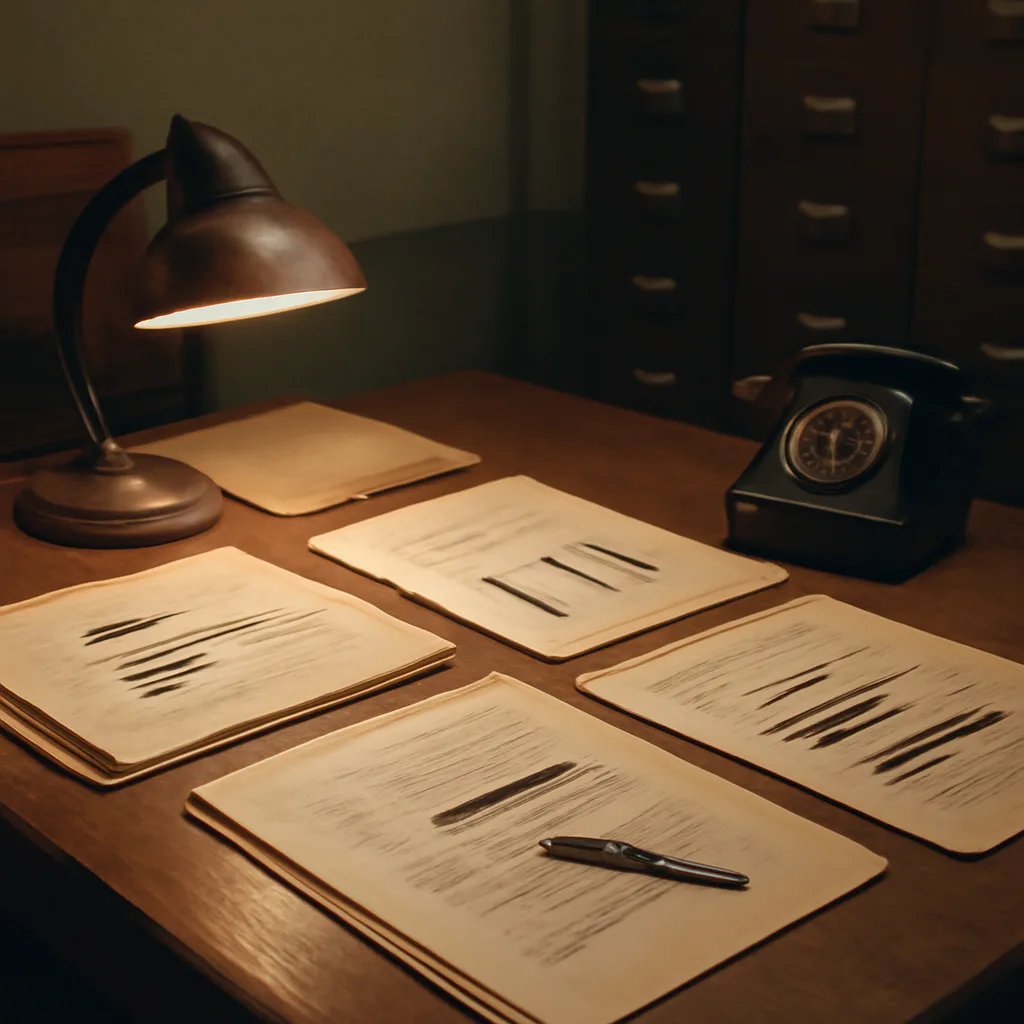
In January 2007 the CIA declassified documents outlining a range of Cold War-era assassination plots and covert actions considered against foreign leaders and figures, shedding new light on controversial aspects of U.S. covert policy during the 1950s–1970s.
The materials include internal memoranda, operational assessments and analytical reports that illuminate how assassination or removal of hostile leaders was evaluated as a potential instrument of foreign policy. Some documents show concrete operational planning or liaison with foreign assets; others record discussions, proposals and legal or moral objections raised within the agency. The release did not present a single, unified program but rather a mosaic of episodes—some well known from previous investigations and public reporting, others that added granular detail to already contested events.
The declassified files revived public and scholarly debates about accountability, oversight and legality. In the 1970s, U.S. investigations and congressional hearings—most notably the Church Committee—examined CIA involvement in coups and plots and led to explicit prohibitions against assassination in executive branch policy. The 2007 release provided researchers new primary-source material to compare with those earlier findings and with subsequent official statements and policy changes.
Historians and journalists who examined the documents emphasized several recurring themes: the extent to which operational imperatives sometimes ran ahead of clear legal constraints; the involvement of foreign partners and local proxies in planning and execution; and the role of deniable techniques and covert support for opposition groups. At the same time, the records demonstrated internal dissent within the agency and the broader U.S. government over the prudence and consequences of such actions.
The release also made clear limitations of the archival record. Many documents remain redacted for intelligence sources and methods, and some relevant files are still classified or were not included in the release. Where direct, incontrovertible evidence of completed assassinations is absent, the documents often show deliberation, contingency planning or aborted operations rather than definitive results. As a result, scholars must combine these records with other sources—oral histories, foreign archives and contemporaneous reporting—to form fuller assessments.
Public reaction to the declassification was mixed. Advocates for transparency described the release as a valuable step for democratic oversight and historical accountability. Others cautioned that the files, taken out of context, could be misread or mischaracterized in public debate. For policymakers and legal scholars, the documents reinforced why clear statutory and executive limits on covert action remain central to debates over intelligence oversight.
The January 2007 release did not close questions about U.S. covert conduct during the Cold War, but it expanded the documentary basis for research and public understanding. By making these internal deliberations and operations part of the public record, the CIA enabled historians, legal analysts and the public to scrutinize a controversial chapter of U.S. foreign policy with greater documentary grounding. Further archival releases and corroborating records from other governments continue to be necessary for definitive answers about many specific incidents.