
← Back
01/18/1958 • 7 views

Willie O'Ree Breaks NHL Color Barrier
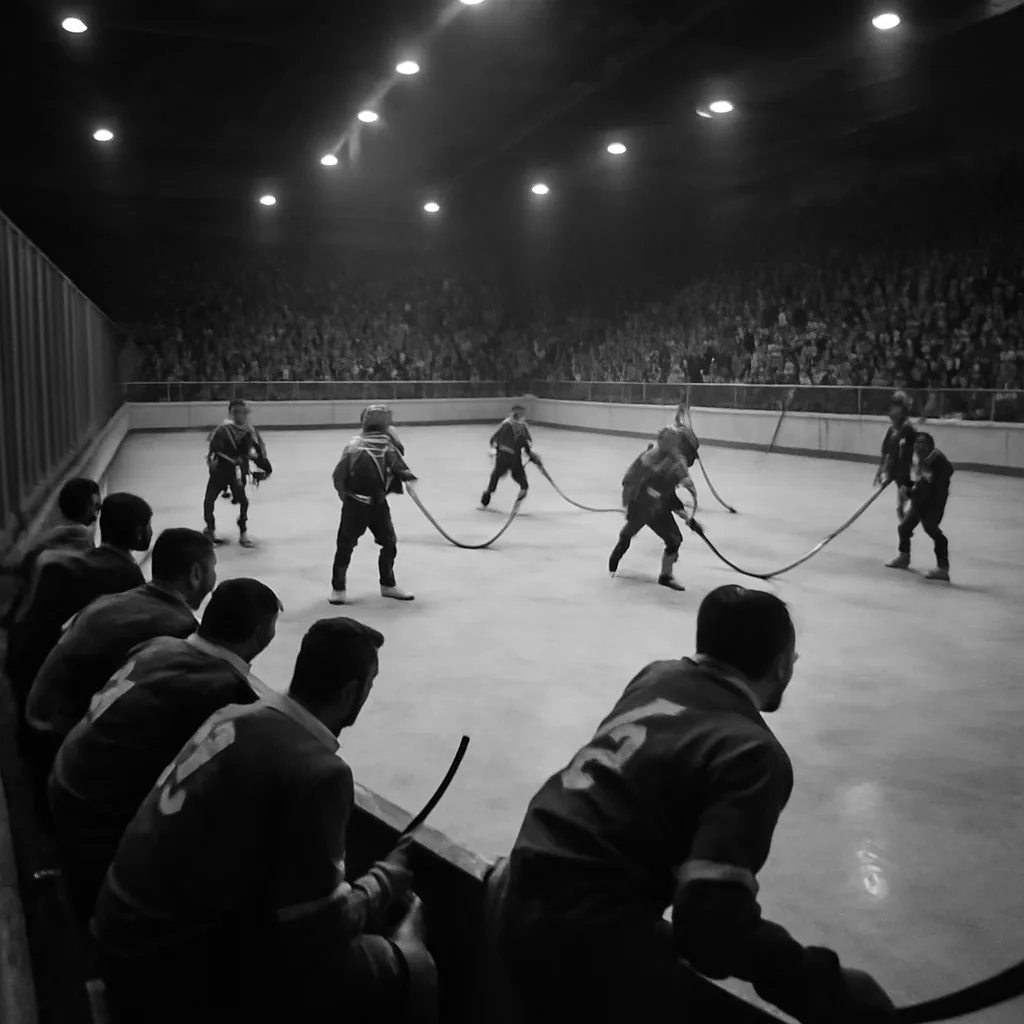
Black-and-white scene of a 1950s-era ice hockey arena interior showing players on the ice and spectators in period clothing; focus on the game atmosphere rather than individual faces.

On January 18, 1958, Willie O'Ree became the first Black player to appear in a National Hockey League game, skating for the Boston Bruins in a landmark moment that challenged racial barriers in professional hockey.


On January 18, 1958, Willie O'Ree of Fredericton, New Brunswick, dressed for the Boston Bruins and skated in an NHL game against the Montreal Canadiens, becoming the first Black player to take the ice in the National Hockey League. O'Ree, a right winger who had played in minor professional leagues, was called up from the Quebec Hockey League amid injuries on the Bruins' roster. He entered the game at the Montreal Forum and recorded two shots on goal in limited ice time.

The appearance did not immediately open the NHL to sustained diversity. O'Ree played only two games for the Bruins in the 1957–58 season, though he continued a lengthy professional career in the minor leagues. He later returned to the Bruins for a brief stint in 1960–61. O'Ree also became an influential figure in hockey off the ice, working for the NHL in player development and as an ambassador for diversity and inclusion in later decades.

Historical context is important: the 1950s NHL was overwhelmingly white and centered in a small number of Canadian and U.S. cities. Professional hockey, like many North American institutions of the era, offered limited opportunities for Black athletes. O'Ree's debut therefore carried symbolic significance beyond the two games he initially played. It exposed a wider audience to the reality that skill, rather than race, determined a player's ability to compete at high levels of the sport.

O'Ree's path to the Bruins involved success in junior and senior leagues in Atlantic Canada and strong play in the Quebec senior circuit. Scouts took note, and the Bruins signed him to address immediate roster needs. Contemporary accounts show his debut attracted attention in sports pages, though it did not prompt immediate, widespread change in NHL hiring practices.

Decades later, O'Ree's historic role has been more fully recognized. The NHL and other hockey organizations have cited his pioneering appearance in conversations about diversity initiatives. In 2018 the league declared January 18 “Willie O'Ree Day” to commemorate his debut and to promote inclusive programs. The date continues to be used to reflect on the progress and ongoing challenges related to race in hockey.

Scholars and historians note that while O'Ree is widely acknowledged as the NHL's first Black player, historical records of early professional hockey occasionally reveal complexities about race, identity and record-keeping; but no credible evidence has surfaced of an earlier Black skater appearing in an NHL game before O'Ree's 1958 debut. His achievement remains a documented milestone in the league's history.

Willie O'Ree's NHL debut represents both a breakthrough and a reminder: breakthroughs can be limited in immediate effect but enduring in historical significance. His later work promoting the game and advocating for inclusion has expanded his legacy beyond those first two games, making him a central figure in narratives about hockey's gradual movement toward greater diversity.

Share this

Email Share on X Facebook Reddit

Did this surprise you?