
01/18/2015 • 6 views
Deflategate controversy erupts during AFC Championship
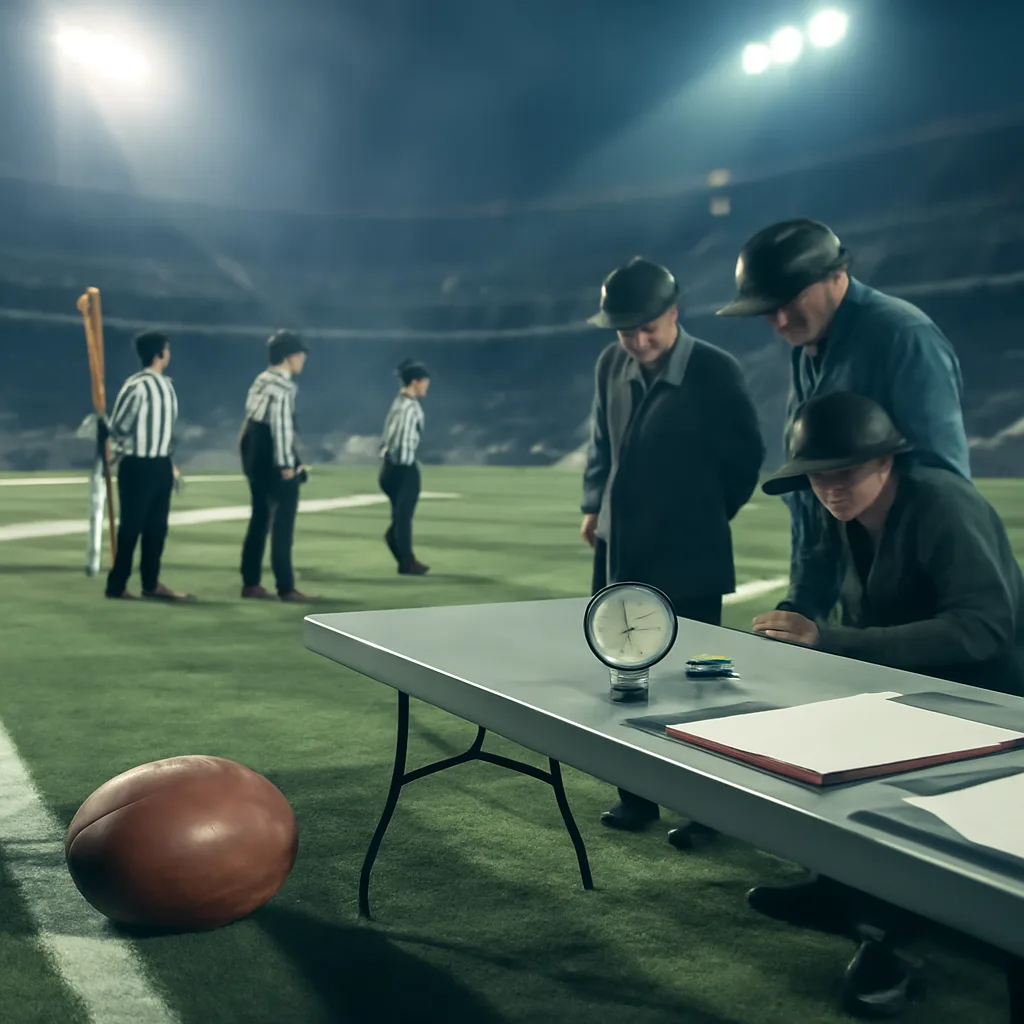
On January 18, 2015, questions about underinflated footballs used by the New England Patriots during the AFC Championship game against the Indianapolis Colts surfaced, touching off a league investigation and months of legal and media battles.
The basic factual sequence is widely agreed: Colts personnel reported suspicions to NFL officials after the game. The NFL obtained and tested the game balls and later announced that 11 of 12 Patriots game balls were below the minimum pressure required by league rules. The Patriots maintained that any loss of pressure could be explained by normal physical effects such as temperature change.
The NFL appointed an investigator, Ted Wells of the law firm Paul, Weiss, Rifkind, Wharton & Garrison, to examine the matter. The resulting Wells Report, released in May 2015, concluded it was “more probable than not” that Patriots personnel had deliberately deflated footballs and that quarterback Tom Brady was “at least generally aware” of the actions. The report relied on physical testing, interviews, and electronic evidence. The Patriots disputed aspects of the report’s conclusions and criticized its methodology.
The league imposed penalties in May 2015: a four-game suspension for Tom Brady, a $1 million fine for the Patriots, and the forfeiture of two draft picks (a first-round pick in 2016 and a fourth-round pick in 2017). The team and Brady pursued legal challenges. A federal judge vacated Brady’s suspension in September 2015 before reinstating it on appeal; the U.S. Court of Appeals for the Second Circuit ultimately reinstated the four-game suspension in April 2016. Brady served the suspension at the start of the 2016 season.
The episode generated intense public debate about competitive integrity, the NFL’s investigative processes, and the consistency of discipline across teams. Analysts and scientists debated the interpretation of the physics and ball-pressure measurements cited in the Wells Report, producing competing analyses about whether ambient conditions could account for the pressure drop. Media coverage was extensive and partisan, with some commentators treating the findings as definitive and others stressing uncertainties and procedural concerns.
Deflategate had several lasting impacts. It heightened scrutiny of equipment-handling procedures and prompted the league to review and clarify protocols for ball custody and measurement. The dispute contributed to broader conversations about disciplinary authority and due process within the NFL, especially regarding the commissioner’s power. It also became a recurring reference point in discussions about Tom Brady’s career and legacy—though assessments of his legacy vary and continue to be debated.
While the Wells Report and subsequent legal rulings established the league’s case and produced formal penalties, some technical questions remained contested among scientists, statisticians, and observers. The sequence of events on January 18, 2015—complaint by Colts personnel, NFL testing, investigative report, and ensuing sanctions—is well documented in league statements, court filings, and contemporaneous reporting. Beyond those core facts, interpretations of intent, the sufficiency of evidence, and the adequacy of penalties remained—and in some circles remain—subjects of dispute.