
01/28/1986 • 6 views
Debris from the Challenger shuttle washes ashore in Florida
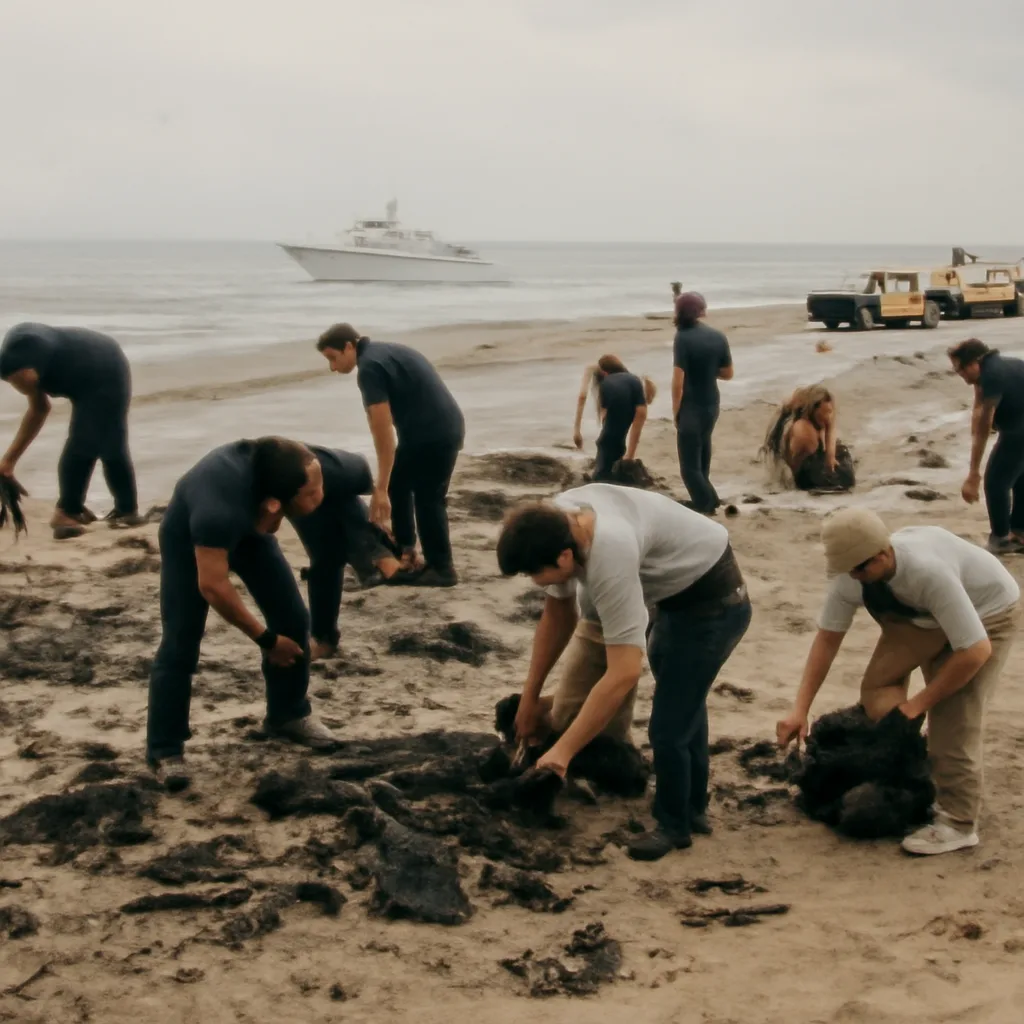
Bits of the Space Shuttle Challenger were recovered along the Florida coastline in the days after the vehicle broke apart on January 28, 1986, as search teams worked to locate wreckage and the remains of the seven crew members.
The distribution of debris reflected the breakup at altitude and the influence of winds and currents. Lighter items and charred fragments were sometimes carried farther from the main impact zone; heavier components sank or were recovered by ships and helicopters. On shore, searchers found pieces of thermal protection tiles, insulation, and other identifiable shuttle parts. Recovery teams cataloged and secured recovered material for forensic and investigative work carried out by the Presidential Commission (the Rogers Commission), NASA, and the National Transportation Safety Board.
The retrieval of debris served several purposes: it aided investigators in reconstructing the sequence of events that led to the disaster, provided physical evidence for examination of structural and material failures, and—tragically—led to the discovery of human remains and personal effects. The handling of remains and sensitive items was conducted with care amid intense public scrutiny. Some recovered parts were later displayed in museums or retained for technical study, while many others were retained as evidence.
The Rogers Commission determined that the immediate cause of the accident was the failure of O-ring seals in a right solid rocket booster joint, which allowed hot gases to escape and impinge on the external tank and shuttle structure. Recovered debris and telemetry data were instrumental in confirming this failure mode. The accident prompted a 32-month suspension of the shuttle program while NASA redesigned booster joints and reviewed safety and management practices.
Communities along the Florida coast experienced an influx of searchers and media, and local officials coordinated with federal agencies to manage access to beaches and the chain of custody for recovered items. The recovery effort, though focused on technical and investigative needs, also carried a strong human and communal dimension as the nation mourned and sought answers. The Challenger accident remains a pivotal moment in U.S. spaceflight history, remembered for both the loss of seven lives and the subsequent reforms to shuttle operations and safety oversight.