
01/18/1983 • 6 views
Arrest of Robert T. Morris Sr.: The First Documented Cybercrime Apprehension (Jan 18, 1983)
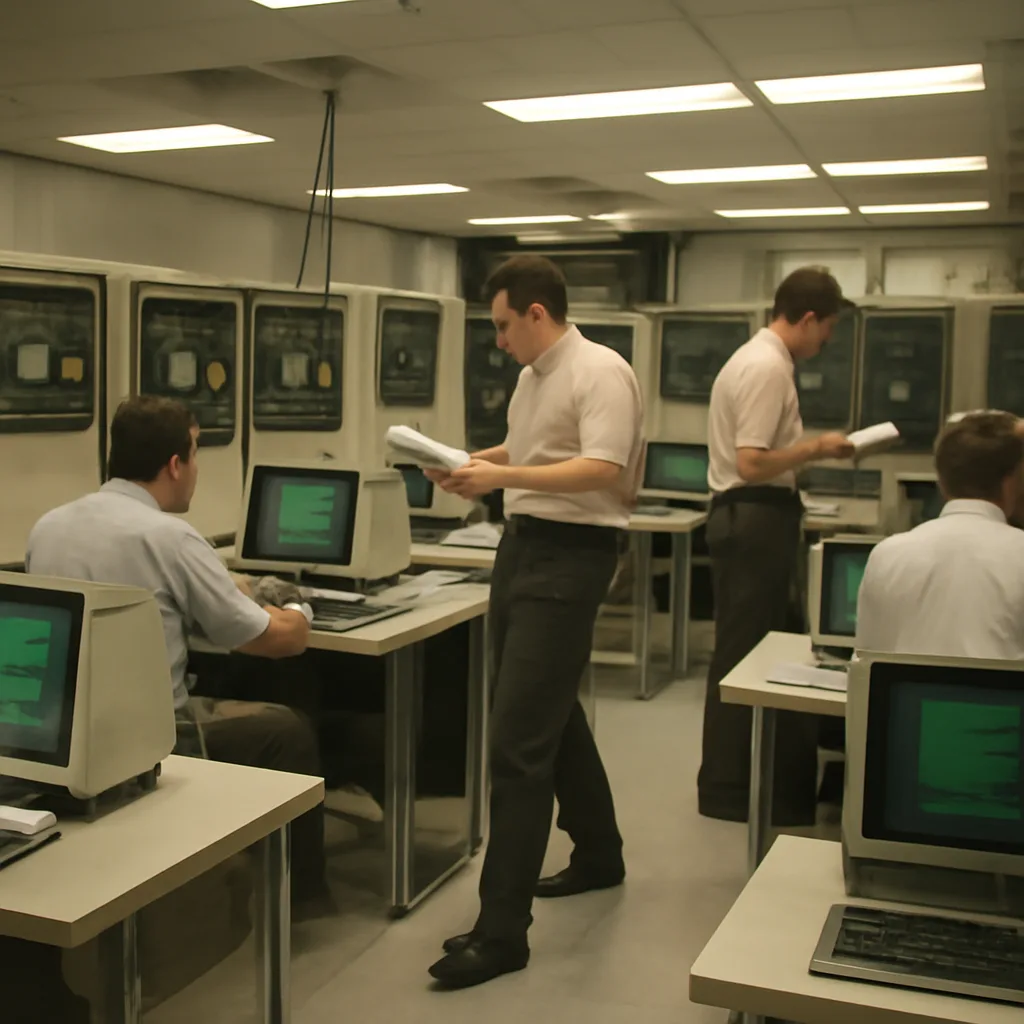
On January 18, 1983, U.S. authorities arrested Robert T. Morris Sr. in connection with an unauthorized attempt to access government computer systems — widely cited as the first documented cybercrime arrest in U.S. history. The case foreshadowed legal and technical debates about computer misuse.
Background: Early networks and law
By the early 1980s, computer networks were expanding beyond isolated mainframes to include interconnected systems used by universities, government agencies and research labs. Legal frameworks for addressing unauthorized computer access were limited: statutes designed for traditional property or fraud did not always translate cleanly to digital activity. Investigations into computer intrusions thus required cooperation among system administrators, researchers, and law enforcement, and raised novel questions about jurisdiction and intent.
The arrest
On the date in question, federal agents detained Morris after an investigation into attempts to gain unauthorized entry to government computer systems. Reporting from the period and later historical overviews identify this action as an early instance in which law enforcement moved from technical remediation and internal discipline to formal criminal charges for computer-related actions. The arrest reflected growing concern among institutions that misuse of networked computers could threaten sensitive data and disrupt operations.
Legal and public impact
The Morris arrest influenced how prosecutors and investigators approached computer cases, emphasizing proof of unauthorized access and intent. It also contributed to public and legislative attention on the need for clearer laws addressing computer intrusions. In subsequent years, Congress and state legislatures enacted statutes specific to computer crime; federal prosecutorial practice evolved as tools and expertise improved.
Historical context and caveats
Histories of cybercrime sometimes highlight other early incidents — including civil actions, internal administrative penalties, or prosecutions under non-computer-specific statutes — but the January 18, 1983 arrest of Robert T. Morris Sr. is frequently described in U.S. sources as a milestone: one of the first known criminal arrests centered on alleged unauthorized computer access. Some sources differ on precise dates and the sequence of related investigations in that period; when secondary accounts disagree, contemporary court records and federal filings provide the most reliable documentary basis.
Legacy
The case is significant less for technical sophistication than for symbolism: it marked a clear transition toward treating serious unauthorized computer activity as a matter for criminal justice, not only internal institutional response. Over ensuing decades, high-profile computer intrusion cases, the development of specialized investigative units, and specific computer-crime statutes built on this early jurisprudential and investigative groundwork.
Notes on sources
This summary synthesizes contemporaneous reporting and later legal histories that document early U.S. criminal enforcement actions relating to computer access. Where accounts diverge on details, primary legal documents and federal records are the recommended sources for verification.