
02/25/1599 • 6 views
The earliest recorded mass poisoning at a banquet: the 1599 Gonzaga incident
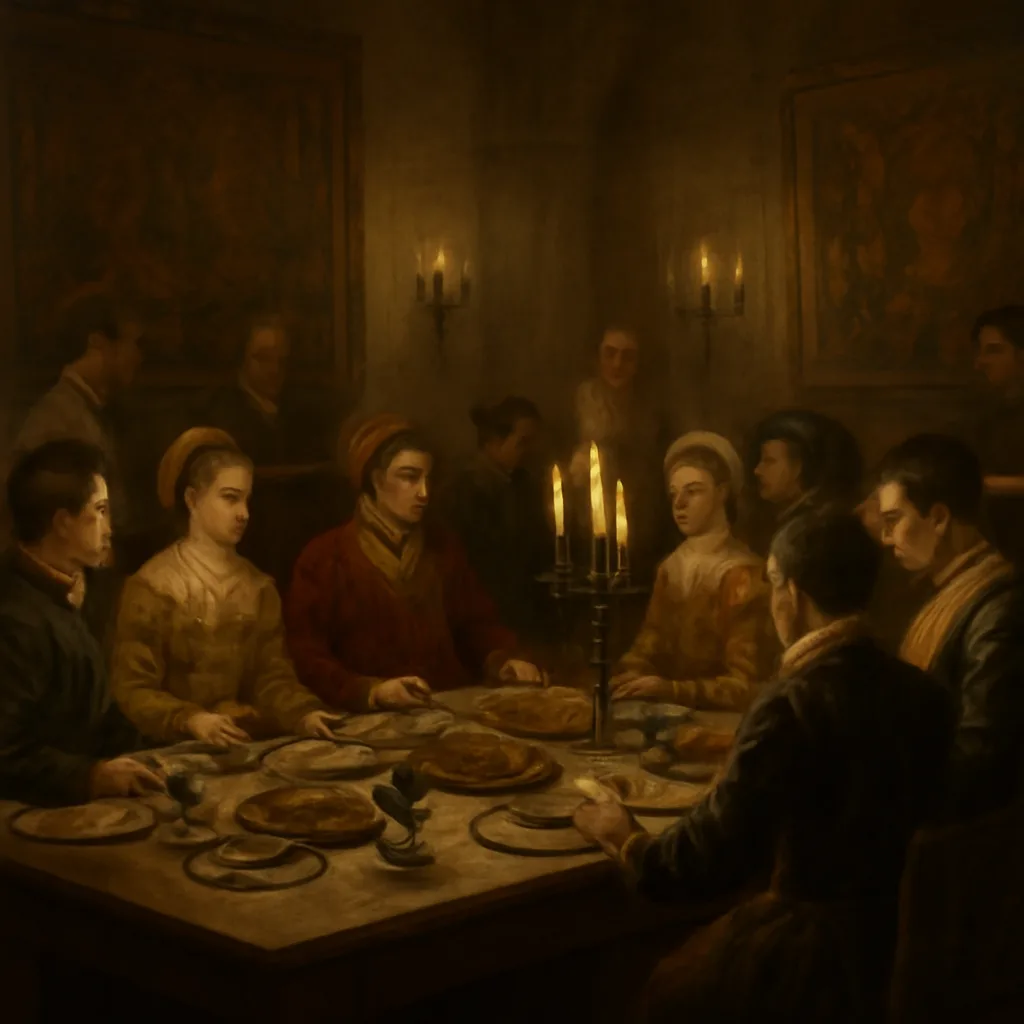
On February 25, 1599, a banquet in Mantua hosted by the Gonzaga court produced one of the earliest documented mass poisonings in Renaissance Italy, when dozens fell ill after a celebratory meal—accounts differ on intent and the precise number affected.
Contemporary descriptions report that many diners—estimates vary from dozens to several scores—suddenly experienced violent vomiting, abdominal pain, vertigo and collapse. Medical observers of the time used the language and diagnostic frameworks available to them (humoral theory, impressions of “infected victuals” or “poisoned meat”), and attributed the bout variously to spoiled food, deliberate poisoning, or accidental contamination. No consensus emerges in surviving sources about motive or perpetrator.
Primary evidence is fragmentary: diplomatic dispatches, household accounts, and later local histories document the event but differ on details such as the exact number of victims and whether fatalities occurred. Some accounts suggest a prominent guest was particularly affected, which intensified suspicion of malice; others record that kitchen staff and servants also became ill, a detail more consistent with foodborne illness. Contemporary medical treatment—emetics, purgatives and bloodletting—reflects the period’s therapeutic practices but offers no modern diagnostic clarity.
Historians treating the episode caution against projecting modern forensic categories onto these early-modern reports. Deliberate poisoning was a known fear in elite circles and features in many courtly narratives; at the same time, storage and preservation of perishable foods in the sixteenth century posed genuine risks of mass gastroenteritis or poisoning from naturally occurring toxins (for example, fungal contamination, spoiled fish, or plant toxins). The Mantuan incident illustrates how social anxiety, political rivalries and imperfect medical knowledge can combine to produce contested accounts.
The case is significant for several reasons. First, it shows how banquet settings—where many people eat the same dishes prepared centrally—could amplify both disease outbreaks and suspicions of foul play. Second, the episode is preserved in multiple documentary strands (letters, household records, and chronicles), giving historians an unusually rich but inconsistent evidentiary record for the period. Third, it highlights the difficulties of distinguishing intentional poisoning from accidental foodborne illness in premodern sources.
Modern scholars reconstruct such events by triangulating contemporary reports, analyzing patterns of who fell ill (guests only, or also servants and cooks), and considering botanical and culinary practices of the time. In the Mantua case, the lack of a reliable autopsy, inconsistent casualty figures, and the rhetorical uses of “poison” in polemical writing mean that the event remains ambiguously interpreted: plausible explanations include accidental contamination of shared dishes or deliberate poisoning motivated by court intrigue, but definitive proof is absent.
Whatever the cause, the 1599 banquet episode had consequences for how courts managed food, security and suspicion. It fed into broader anxieties about hospitality, trust and the vulnerability of communal dining. As a documented instance from the late sixteenth century, it occupies a place in the history of food safety, forensic suspicion, and the social dynamics of early-modern courts—an episode where medical uncertainty and political imagination intersected, leaving a contested but instructive record.
Note: Details such as casualty counts and deliberate intent differ across primary sources; scholars remain divided and no modern forensic confirmation exists.