
02/25/1872 • 9 views
The Disappearance of the Mary Celestia: 25 February 1872
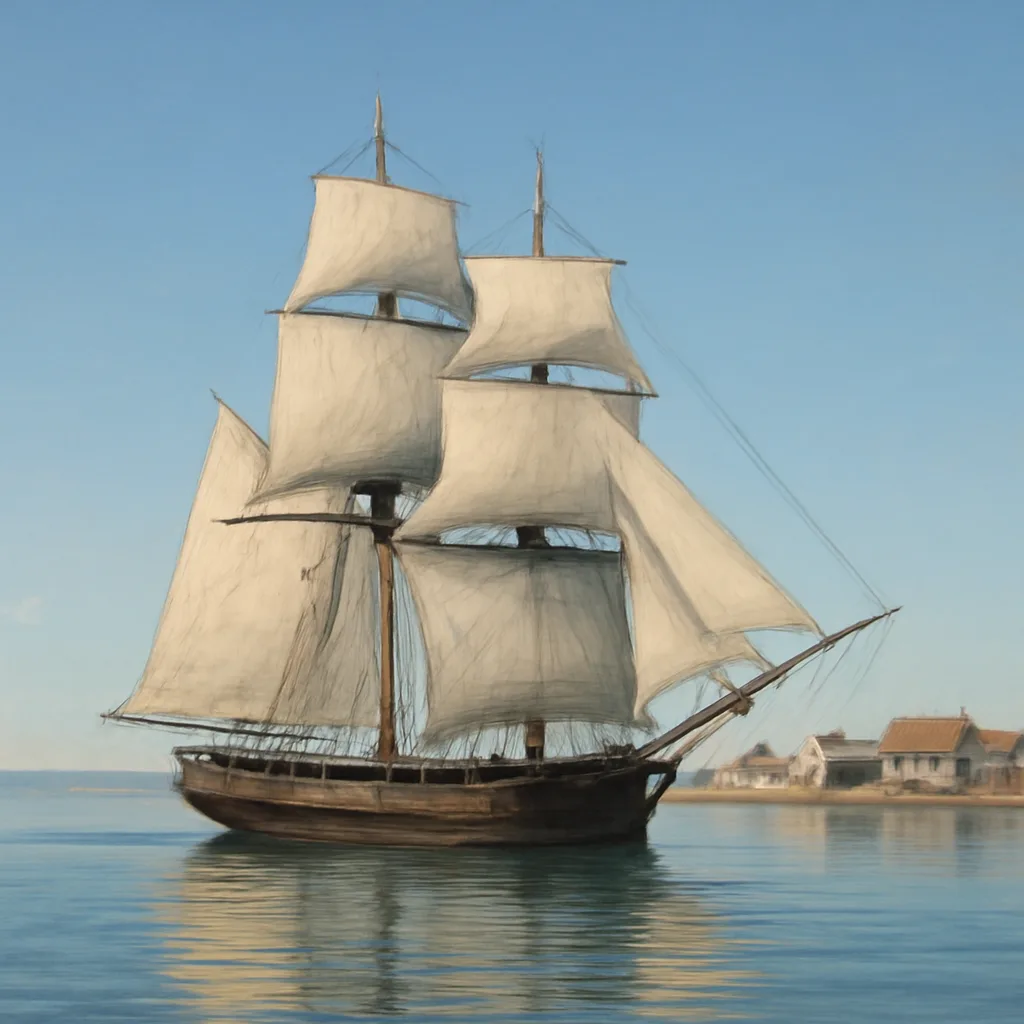
On 25 February 1872 the British brig Mary Celestia (sometimes cited as Mary Celeste in later accounts) left port and was later reported missing after clear-weather sail; this entry summarizes the first documented report of a ship’s unexplained disappearance in fair conditions.
Records from February–March 1872 show routine port clearances and expected arrival dates for coastal and cross-Channel vessels. The Mary Celestia’s clearance appears in port records dated 25 February; shortly thereafter she failed to appear at her intended destination. Local newspapers printed brief notices of an overdue brig, and Lloyd’s List — the period’s principal maritime casualty bulletin — recorded the vessel as “missing” after customary waiting periods and inquiries yielded no information. These archival entries constitute the first documented instance identified in maritime periodicals of a ship listed as having disappeared despite last being reported in fair weather.
Documentation is limited to administrative and commercial sources: port clearance logs, Lloyd’s List entries, and short press notices. Survivors’ testimonies, official inquiry reports, or wreckage accounts that might clarify cause are absent in the surviving printed record. As with many 19th-century coastal losses, absence of a wreck site, bodies, or other forensic evidence left owners and insurers with uncertainty; the case was managed through insurance procedures for lost vessels rather than a concluded maritime inquest.
Historians caution that the language used in period shipping reports differs from modern usage. “Missing” or “overdue” did not always imply instantaneous and inexplicable vanishing; slower communications, limited coastal lookouts, and incomplete reporting could produce delays that made a vessel appear to have disappeared. Nonetheless, the Mary Celestia case is notable in the historiography of maritime loss because contemporary public records explicitly framed it as a disappearance occurring after the ship was last seen in clear weather rather than during a documented gale or naval action.
Because surviving evidence is sparse, several possibilities remain: foundering due to a sudden hull failure, collision with floating or submerged hazards, cargo shift in calm seas, fire, or undetected human factors such as mutiny or deliberate scuttling. None of these scenarios is confirmed for this vessel, and subsequent 19th-century accounts sometimes conflated or confused names, creating later popular associations with other missing ships. Researchers rely on primary sources (port clearances, Lloyd’s List, newspapers) and caution against later retellings that introduce speculative or fictional details.
The Mary Celestia’s documented disappearance illustrates the limits of 19th-century maritime information networks: even routine voyages could end without explanation, and the administrative record — brief entries in shipping columns and insurance ledgers — is often the only trace left. For modern readers and researchers, the case underscores the importance of consulting original port and insurance records and treating later stories that fill gaps with skepticism unless supported by contemporaneous evidence.