
← Back
09/09/2002 • 5 views

Aileen Wuornos Executed in Florida for Seven Murders
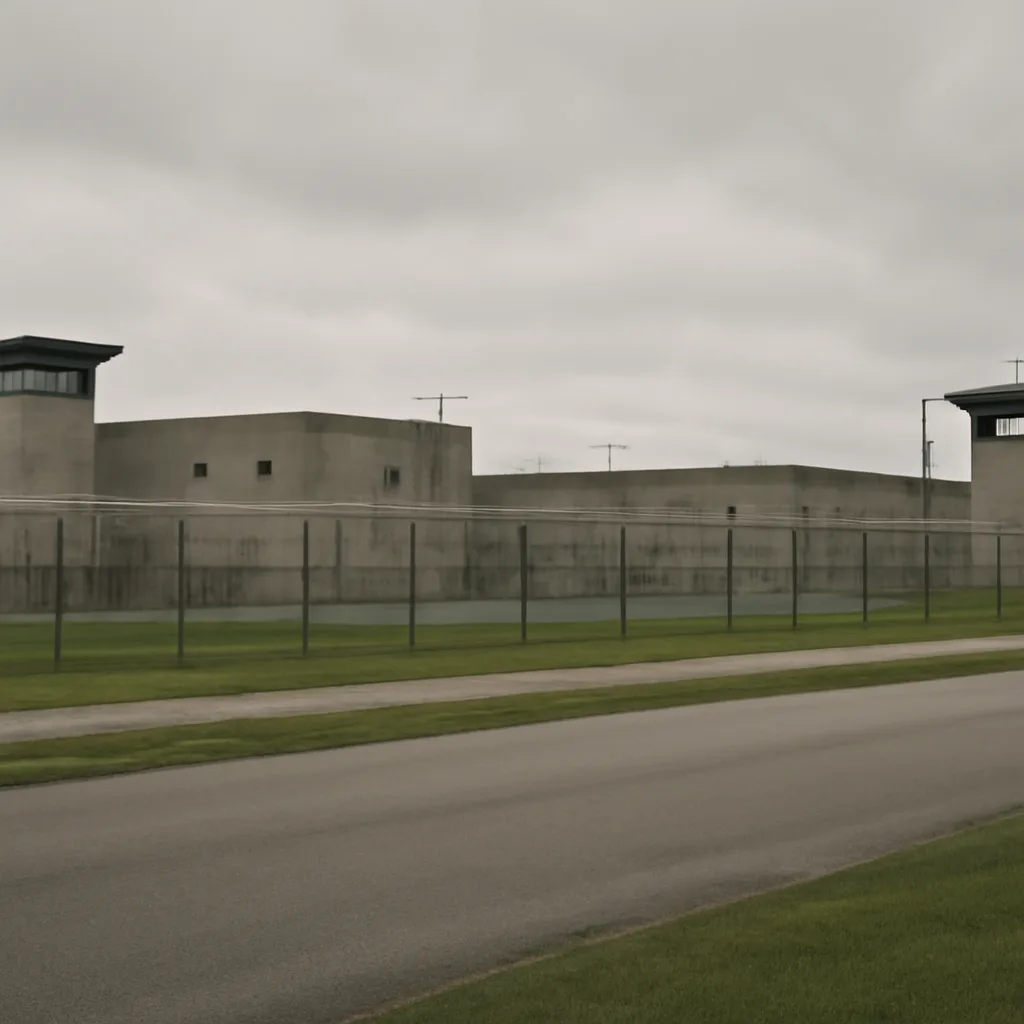
Exterior of Florida State Prison in Raiford, Florida, with a surrounding fence and guard towers, daytime view reflecting a maximum-security correctional environment.

On Sept. 9, 2002, Aileen Wuornos was executed by lethal injection in Florida after being convicted of the 1989–1990 murders of seven men. Her case drew national attention for its criminal, legal and mental-health dimensions.


Aileen Carol Wuornos, a 46-year-old woman convicted of killing seven men in Florida between 1989 and 1990, was executed by lethal injection on September 9, 2002, at Florida State Prison in Raiford. Wuornos’s convictions and death sentence followed a series of trials in which prosecutors said she killed men who had solicited her for sex; her defense argued that several of the killings were committed in self-defense. The murders, police investigation, trials and appeals generated intense media coverage and public debate about violence, mental illness, the criminal justice system and capital punishment.

Background and crimes
Wuornos grew up with a troubled childhood marked in public records and court testimony by foster care, reported abuse, and early criminal behavior. In 1989–1990 she killed seven men — Richard Mallory, David Spears, Charles Humphreys, Troy Burress, Walter Antonio, Peter Siems, and Lee Montgomery — according to charges in Florida. The victims were killed at different locations along Florida roads and wooded areas; investigators linked the crimes through ballistics, witness accounts and other evidence. In some cases, Wuornos said the killings were acts of self-defense against men who had assaulted or attempted to rob her.

Investigation and arrest
Police arrested Wuornos in January 1991 after linking her and a vehicle to one of the victims. During interrogations and subsequent testimony, investigators said Wuornos confessed to the murders. Her statements, as reported in court records and contemporary news accounts, were central to the prosecutions. Authorities charged her with multiple counts of murder; some cases were tried separately in Florida’s circuit courts.

Trials and legal issues
Wuornos was convicted in several separate trials in the early 1990s. In 1992 she was convicted of the murder of Richard Mallory and sentenced to death. She later pleaded guilty to the other murders to avoid additional capital trials and received multiple life terms. Her legal team pursued appeals and sought post-conviction relief on grounds that included claims about ineffective counsel, improper jury instructions, and the impact of her mental state. Mental-health evaluations offered varying diagnoses, including borderline personality disorder and antisocial traits; some experts noted a history of traumatic experiences. Courts repeatedly rejected appeals and stayed petitions, and clemency requests were denied by the Florida clemency board.

Media attention and broader debates
Wuornos’s case attracted significant media attention, including debates over her portrayal in news coverage and later in films and documentaries. Commentators and scholars have discussed the case in contexts that include violence against sex workers, the role of traumatic histories in criminal behavior, gender and public perceptions of female offenders, and criticisms of the death-penalty process. Her execution prompted renewed discussion about capital punishment in the United States and how the criminal-justice system handles defendants with serious mental-health and social-history issues.

Execution
On Sept. 9, 2002, following the exhaustion of appeals and the denial of clemency, Florida carried out Wuornos’s death sentence by lethal injection. The execution concluded a criminal-justice process that had spanned more than a decade since the killings. Officials and news organizations that covered the event recorded the procedural aspects: confirmation of death by prison authorities and statements from legal representatives acknowledging that court processes had been completed.

Legacy and ongoing discussion
Wuornos’s case continues to be cited in scholarly and public discussions about capital punishment, criminal responsibility, the treatment of victims and offenders who are sex workers, and the intersections of trauma and violent crime. Some analyses focus on procedural and evidentiary questions from the trials; others emphasize the social and mental-health conditions that shaped Wuornos’s life. Historical records, court documents and reporting from the period provide the factual basis for accounts of the crimes, trials and execution.

Note: This summary is based on contemporaneous reporting and court records from the trials and appeals; some details of Wuornos’s statements and motivations were contested during legal proceedings and in public commentary.

Share this

Email Share on X Facebook Reddit

Did this surprise you?