
← Back
07/27/1991 • 4 views

Golfer Struck by Lightning During 1991 Tournament Round
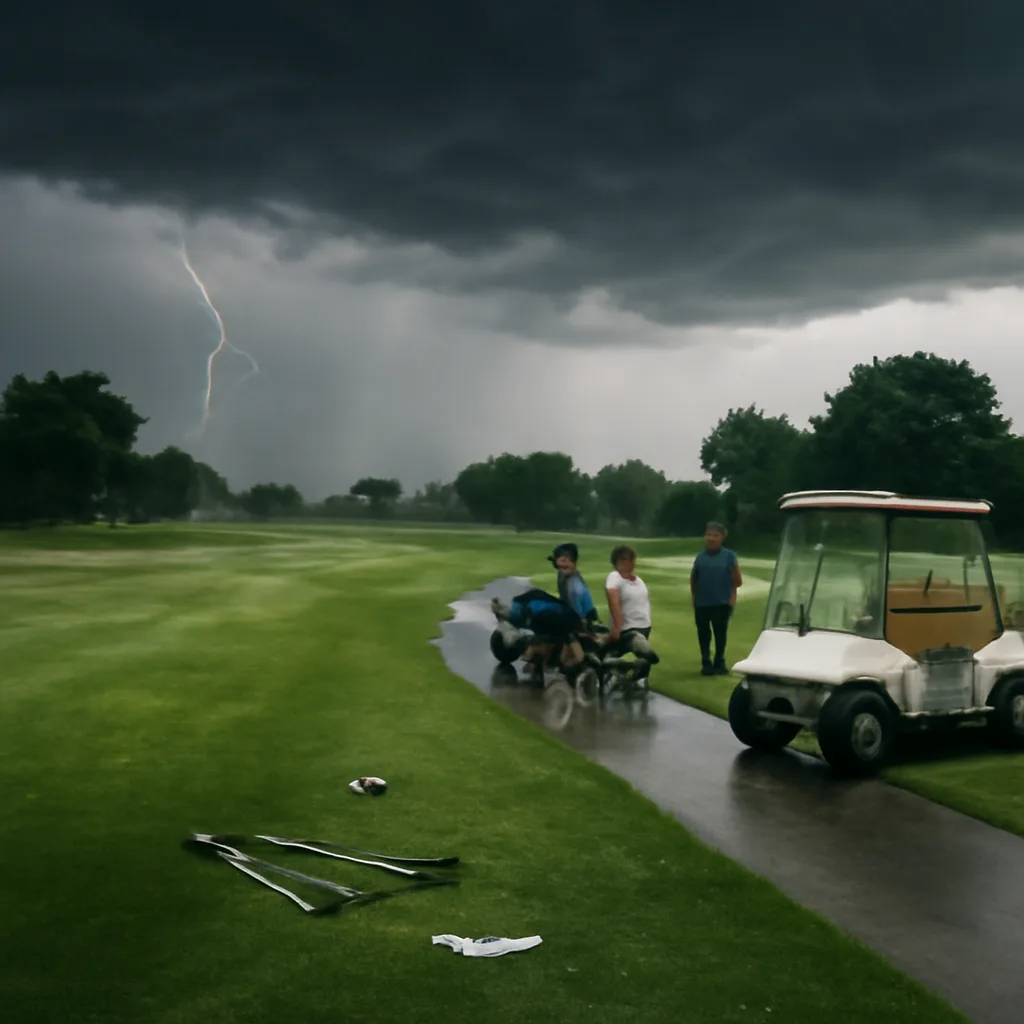
Golf course fairway under dark storm clouds with an ambulance and medical personnel near a player’s cart path; spectators and officials nearby, umbrellas closed or stowed.

On July 27, 1991, a professional golfer was struck by lightning while completing a round during a tournament; the incident interrupted play and prompted review of course safety and lightning protocols.


On July 27, 1991, during a tournament round, a professional golfer was struck by lightning on the course. The incident occurred amid active thunderstorms that had moved across the area, creating dangerous conditions for players, officials and spectators.

Reports from the day indicate play was underway when lightning struck near the player while he was on or near the fairway. Emergency personnel and on-site medical staff responded immediately. The golfer was treated at the scene and then taken to a nearby medical facility for further evaluation and care. Tournament officials suspended play in response to the storm and the medical emergency.

Lightning strikes on golf courses are a recognized hazard because players are often in open areas and carry or use metal clubs, which can increase risk. By the early 1990s, governing bodies and tournament organizers were already familiar with basic safety recommendations—such as suspending play during thunderstorms and moving people to shelter—but standardized, technology-driven alert systems and detailed evacuation protocols were less widespread than in later decades.

The 1991 incident drew attention to the need for clear decision-making rules about suspending play and ensuring rapid medical response. Tournament organizers typically coordinate with local emergency services and have basic medical teams on site; this event underscored the importance of rapid access to advanced care when severe weather leads to traumatic or electrical injuries.

In the years after such incidents, golf organizations increasingly emphasized weather monitoring and formalized suspension criteria, including the use of lightning detection devices, proactive evacuation to substantial shelter, and clearer communication with players and spectators. While individual outcomes vary depending on the specifics of each strike—including distance from the electrical discharge, whether the strike was direct, a side flash, or ground current—survival and recovery depend on timely medical intervention.

This July 1991 strike is one of several high-profile lightning-related incidents in sports that have prompted reassessment of on-field safety. It served as a reminder to tournament officials, clubs and governing bodies that weather-related risks require both planning and timely action to protect participants and attendees.

Because contemporaneous sources vary in the level of detail they published, some aspects of the event—such as precise medical diagnoses given publicly at the time—are reported with differing specificity. What is clear from available contemporaneous accounts is that the strike interrupted the tournament, medical responders treated the player, and the incident contributed to subsequent discussions about improving lightning safety and suspension protocols in golf.

Share this

Email Share on X Facebook Reddit

Did this surprise you?