
← Back
05/14/1956 • 7 views

First Modern Television Game Show Debuts on May 14, 1956
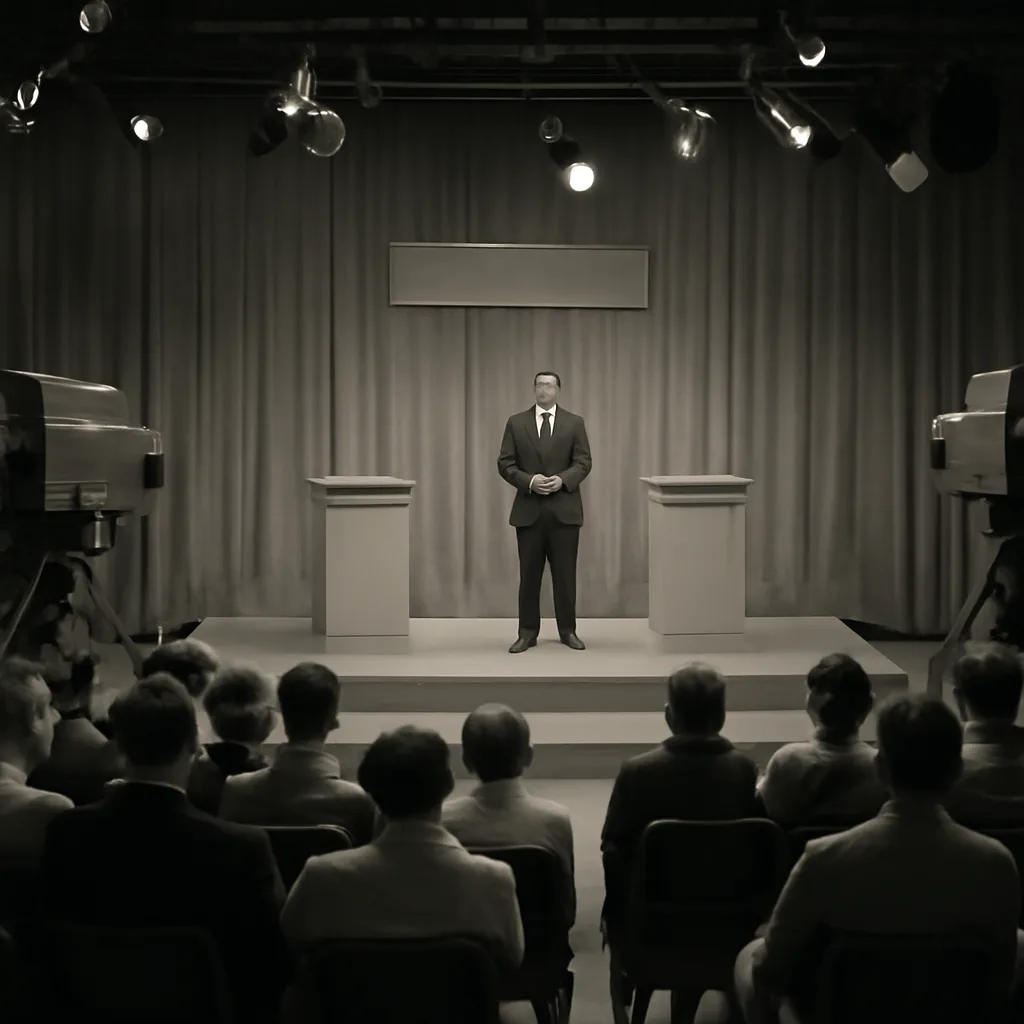
Black-and-white mid-1950s television studio set with a studio audience, a host standing by a raised game stage with simple signage and contestants at podiums, studio cameras and lighting visible.

On May 14, 1956, a program widely regarded as the first modern television game show premiered, introducing new formats and production techniques that shaped TV entertainment in the years that followed.


The mid-1950s saw rapid evolution in television programming as networks sought formats that engaged live and at-home audiences. On May 14, 1956, a program that many television historians identify as the first modern television game show premiered, marking a shift from radio-derived quizzes and variety segments toward shows built around competitive formats, staged sets, and audience participation.

Context
Television in the early 1950s was transitioning from experimental and variety-driven offerings to more standardized genres. Game shows had existed on radio and earlier television, but they often consisted of simple quizzes or novelty segments. By the mid-1950s producers were refining visual staging, consistent rules, prize structures, and production values that made such programs repeatable, sponsor-friendly, and suitable for national broadcast.

Format and Innovations
The show that premiered on May 14, 1956, is notable for presenting several elements that became staples of modern game shows: a recurring host, clearly defined rounds with time limits, a studio audience integrated into the broadcast, and significant cash or consumer-prize incentives tied to performance. Production emphasized set design, lighting, and camera work to create a televised “event” rather than a filmed radio quiz. These features encouraged viewer loyalty and enabled the format to be adapted into a wide variety of competitive and panel-based shows.

Reception and Impact
Contemporary reviews and network records indicate that the program found a receptive audience, prompting other producers and networks to develop similar formats. Within a few years, the game-show model—host-driven, rules-based competition with audience engagement—became a durable part of prime-time and daytime schedules. The format’s popularity also attracted advertisers eager to align products with the excitement and repeat viewership generated by regular game-show broadcasts.

Legacy and Scholarly Assessment
Media historians trace the lineage of many later game shows to innovations first consolidated in shows of the mid-1950s. Scholars emphasize that the transition to “modern” television game shows was incremental: earlier programs contributed elements, but that May 14, 1956 premiere is often cited as a clear moment when multiple modern conventions coalesced in a nationally broadcast program. There is not universal agreement on a single definitive “first” modern show—some historians point to earlier or contemporaneous programs that introduced partial innovations—but the 1956 premiere is frequently referenced in studies of television format development.

Caveats
Attribution of a single date or program as the absolute origin of the modern television game show is debated among scholars because the genre evolved from radio formats and earlier televised quizzes. Where historians disagree, accounts note overlapping developments across networks, production companies, and local stations. The May 14, 1956 date should be understood as marking a prominent and influential premiere rather than an uncontested sole origin.

Significance
Regardless of debate over strict primacy, the program that debuted on May 14, 1956 helped codify production practices and audience expectations that defined televised game shows for decades. Its combination of theatrical staging, structured competition, monetary and material rewards, and audience participation provided a template adapted internationally and across many subgenres, from panel shows to large-scale televised contests.

Share this

Email Share on X Facebook Reddit

Did this surprise you?