
← Back
05/14/1965 • 8 views

The First Documented School Mass Hysteria: An Incident from May 14, 1965
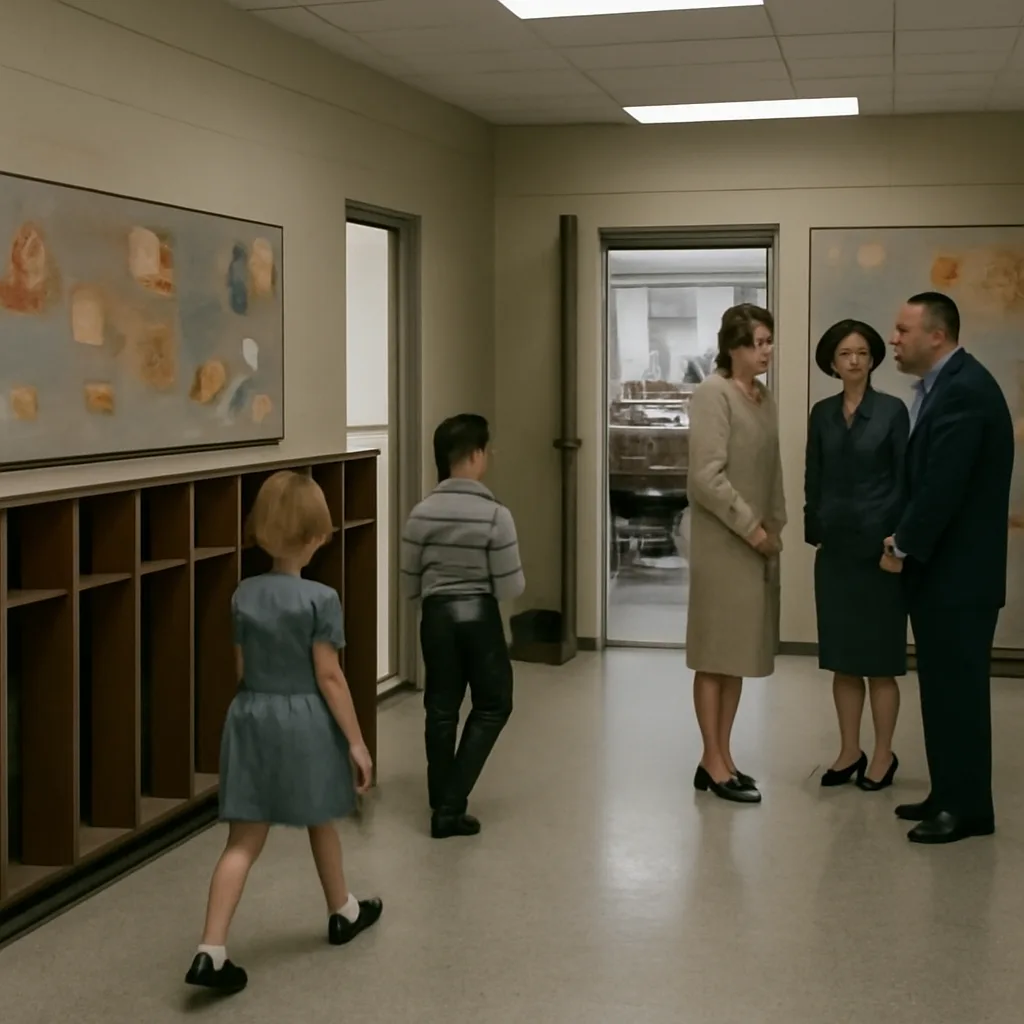
Interior of a 1960s elementary school hallway with children gathered, teachers and a few adults conversing; décor and clothing consistent with the era, no identifiable faces.

On May 14, 1965, a cluster of unexplained fainting and seizure-like episodes at a U.S. elementary school prompted medical and social inquiry; the event is widely cited as an early documented case of mass psychogenic illness in a school setting.


On May 14, 1965, a U.S. elementary school reported multiple students experiencing fainting, dizziness, and seizure-like movements over a short period. Local physicians and school officials investigated physical causes — infections, toxins, or structural problems in the building — but found no consistent physiological explanation. As symptoms spread among students and attendance fell, clinicians and public-health observers characterized the phenomenon as mass psychogenic illness (MPI), commonly called mass hysteria in mid-20th-century literature.

Context and medical response

During the 1960s, awareness of group psychological phenomena in institutional settings was growing but still uneven. When clusters of similar, non-specific symptoms appeared among children under shared stressors, clinicians often considered both organic and psychological causes. In this 1965 incident, teams of local doctors examined pupils, tested for common infectious agents and environmental toxins, and inspected school facilities. Those investigations reportedly failed to identify an infectious outbreak or a chemical exposure sufficient to cause the observed symptoms. With objective medical causes lacking, attention turned to social and psychological dynamics within the school.

Features consistent with mass psychogenic illness

The incident displayed several features now associated with MPI: a rapid onset and spread of symptoms primarily among a closely connected group (students and sometimes staff); symptoms that were subjective or without clear laboratory correlates (fainting, dizziness, paresthesia, transient motor phenomena); and symptom resolution or reduction after removal from the triggering environment or reassurance and rest. Reports from similar episodes emphasize how stress, fear of contagion, and social reinforcement can amplify and perpetuate symptom clusters.

Social and cultural factors

Researchers of MPI note that contextual stressors — such as exam pressure, family or community anxiety, or controversial events — can increase susceptibility to psychogenic outbreaks. Schools concentrate children in close proximity, creating conditions for rapid social contagion of behaviors and symptom reporting. Media attention and parental concern can further propagate symptoms or prompt precautionary measures like temporary closures, which in turn shape the official narrative and the medical response.

Historical significance and scholarly treatment

While earlier instances of collective behavioral disturbances appear in historical records (for example, medieval and early modern episodes of dancing plagues or witchcraft-related panics), the 1965 school incident is often cited in modern clinical and public-health literature as an early documented example of MPI in an educational setting subjected to contemporary medical evaluation. Scholarly accounts use cases like this to examine diagnostic criteria, management strategies, and the interplay between physiological assessment and psychosocial explanation.

Limitations and uncertainties

Precise details of the 1965 case — including the exact school, number of affected students, and contemporaneous medical records — are variably reported across secondary sources. Some retrospective accounts summarize the event without reproducing original clinical documentation, and terminology has shifted over time ("mass hysteria" is now usually framed as mass psychogenic illness or mass sociogenic illness). Because primary-source medical records may be incomplete, inaccessible, or summarized in later reports, certain specifics remain uncertain or disputed.

Lessons for modern practice

Contemporary public-health guidance for suspected MPI emphasizes thorough medical evaluation to exclude organic causes, transparent communication with affected communities, and strategies to reduce anxiety and avoid amplification through rumor or sensational reporting. Historical cases such as the May 14, 1965 incident illustrate both the diagnostic challenges MPI poses and the importance of combining clinical rigor with attention to social context when responding to clusters of unexplained symptoms in schools.

Share this

Email Share on X Facebook Reddit

Did this surprise you?