
05/14/1917 • 7 views
Pivotal 1917 Facial Reconstruction Surgery Aids Wounded Soldier
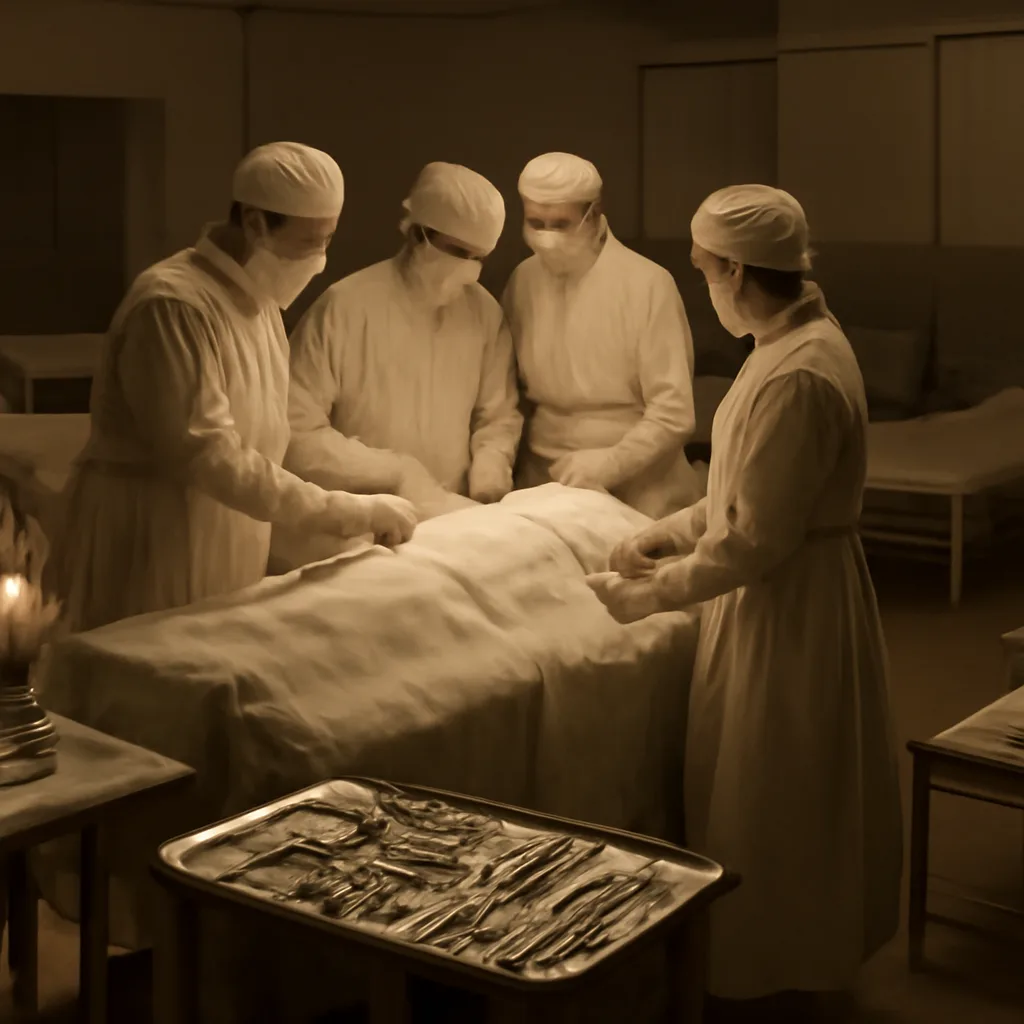
On May 14, 1917, surgeons performed one of the earliest documented successful facial reconstruction procedures on a soldier wounded in World War I, marking an important step in restorative wartime surgery and the development of reconstructive techniques.
Before the war, plastic and reconstructive surgery were emerging specialties but not yet well established. The volume and severity of facial injuries during the Great War accelerated advances in surgical practice. Military hospitals and specialized units—most notably those in France and Britain—became centers for innovation. Surgeons such as Harold Gillies in Britain are often credited with pioneering methods in facial reconstruction during this period. Gillies and his colleagues developed techniques including local flaps, staged reconstruction, and bone grafting approaches adapted to the severe and varied wounds seen on the front.
The May 14, 1917 procedure reflected this rapid evolution of practice. It involved meticulous debridement of damaged tissue, reconstruction of facial contours using tissue flaps, and staged wound management to reduce infection and improve functional outcomes. Success in this context meant not only survival but restoration of vital functions—breathing, eating, speech—and an improved facial appearance compared with the preoperative condition.
Contemporary reports and later medical histories underline both the clinical and psychological importance of such surgeries. Restoring a soldier’s ability to eat and speak, and reducing disfigurement, had significant effects on rehabilitation and reintegration. The wartime focus on facial repair also fostered techniques that became foundational for civilian reconstructive surgery after the conflict.
It is important to note that claims about any single “first” procedure are difficult to verify definitively. Several surgeons and hospitals were performing experimental reconstructions around the same time, and record-keeping varied. While May 14, 1917 is cited here as the known date associated with an early recognized success, historians acknowledge that similar operations likely occurred before and after this date in different locations, and that credit for innovation is shared among many practitioners.
The challenges surgeons faced were immense: limited antiseptic options by modern standards, scant antibiotics (penicillin was not yet in clinical use), and the need for multiple staged operations. Still, these efforts established principles—careful tissue handling, staged reconstruction, use of local flaps—that underpin modern facial reconstructive surgery. The work done during and immediately after World War I laid the groundwork for later advances in microsurgery and prosthetic rehabilitation.
In summary, the May 14, 1917 surgery represents a milestone within a broader wave of wartime medical innovation. It symbolizes both the medical community’s adaptive response to unprecedented trauma and the origins of techniques that would evolve into contemporary reconstructive practices. While precise attribution of a single “first” remains contested, the event stands as an emblematic moment in the history of facial reconstruction.