
11/12/2008 • 6 views
European markets plunge as global debt fears roil investors
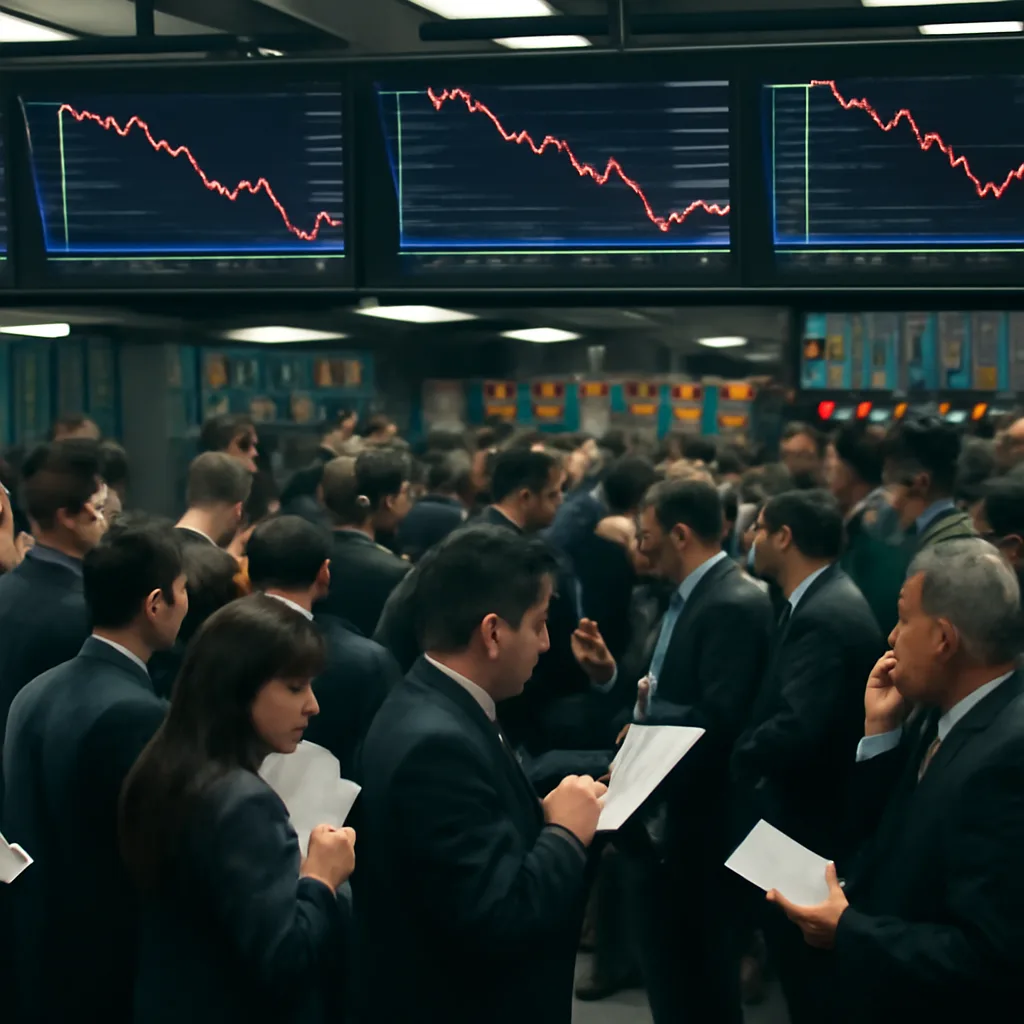
Global concerns over sovereign and corporate debt sparked heavy selling across European stock markets on 12 November 2008, driving steep index losses and renewed calls for coordinated policy responses to stabilize financial systems.
The sell-off followed a string of distressing developments: banks continuing to report losses and tightening lending standards, rising yields on certain sovereign bonds, and downgrades or heightened scrutiny of corporate borrowers. Market participants cited fears that governments might struggle to sustain stimulus measures and bank rescues without incurring sizable new debt burdens—raising doubts about sovereign creditworthiness in some quarters. The uncertainty fed into equity markets as investors sought safer assets and reassessed risk premia across sectors.
Financial stocks led declines in many markets, reflecting concerns about bank exposure to bad loans and toxic assets. Industrial and export-oriented firms also fell amid expectations of a sharper economic contraction and weakening global demand. Government bonds in the core eurozone saw increased demand as investors sought flight-to-quality safe havens, while some peripheral sovereign debt experienced higher yields, signaling unequal market reactions across countries.
Trading volumes were elevated as portfolio reallocations and stop-loss orders accelerated price moves. Currency markets also reflected stress: the euro and other risk-sensitive currencies weakened against safe-haven currencies. Credit markets tightened, with spreads on corporate and high-yield debt widening markedly, increasing funding costs for companies already facing a deteriorating economic outlook.
Policy makers and central banks faced renewed pressure to coordinate responses to prevent a deeper crisis. Calls grew for more aggressive monetary easing, liquidity provisions to banks, and targeted fiscal measures to support demand and shore up confidence. European authorities reiterated commitments to financial system stability, but markets remained focused on the scale and timing of any interventions.
Analysts warned that the combination of shrinking credit availability, weakening demand and rising fiscal burdens could prolong the downturn and complicate recovery efforts. Market observers emphasized that much depended on the effectiveness of policy measures, the pace of bank recapitalizations, and the ability of affected governments to manage debt dynamics without triggering sovereign stress.
While immediate market reactions were severe, commentators noted that volatility had become a persistent feature as investors reacted to new data and policy signals. The events of 12 November 2008 underscored how interconnected banking problems, corporate funding strains and sovereign finance concerns could feed on one another, amplifying losses across global markets and complicating efforts to restore stability.