
← Back
11/12/1985 • 6 views

South African government declares nationwide state of emergency in November 1985
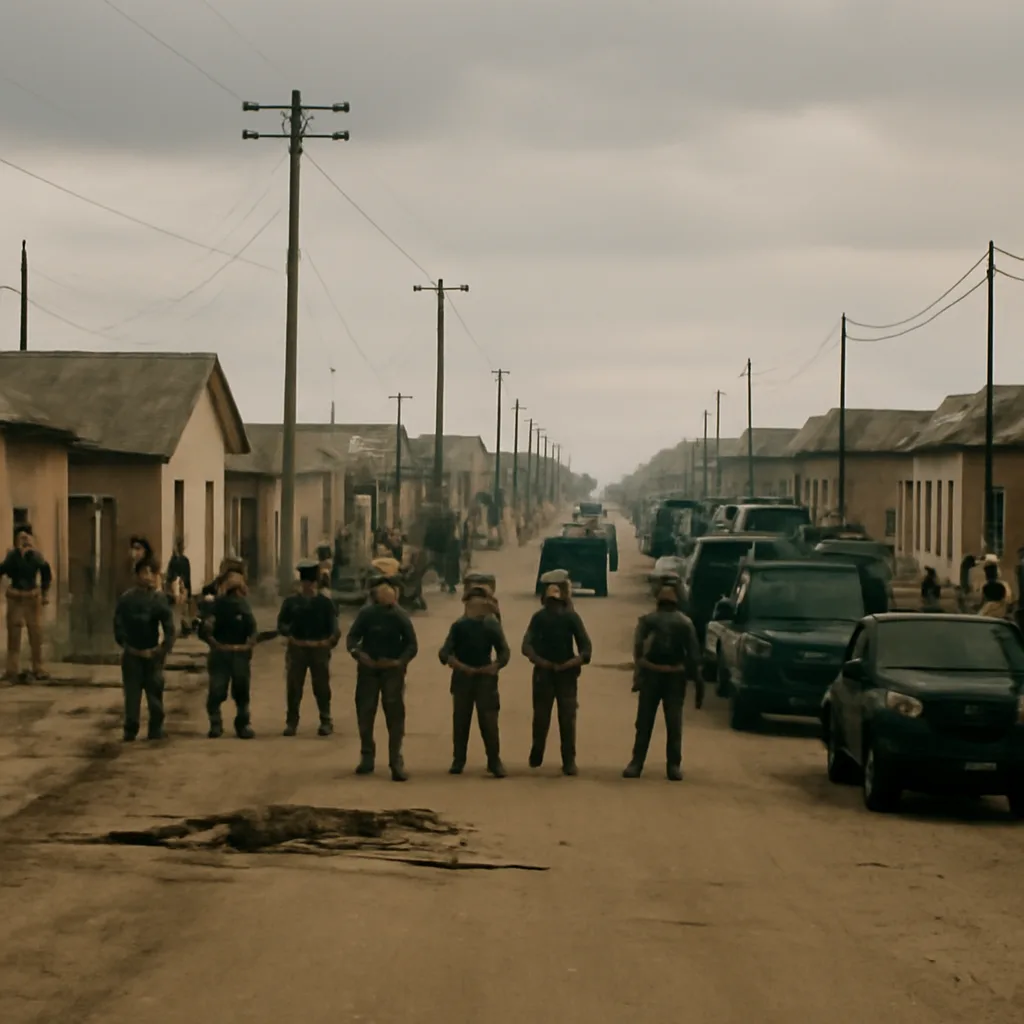
Police and military vehicles on a wide township street during the 1980s state of emergency in South Africa, with barricades and groups of people at a distance under overcast sky.

On 12 November 1985, South Africa’s apartheid government declared a nationwide state of emergency, deploying expanded security powers and detentions amid escalating anti-apartheid protests and violence.


On 12 November 1985 the government of South Africa, led by President P.W. Botha, declared a nationwide state of emergency in response to intensified township unrest, widespread strikes, and growing anti-apartheid resistance. The proclamation empowered security forces and civil authorities with broad powers to detain people without trial, restrict gatherings, impose curfews, and control movement and the press. The measure followed months of escalating confrontations between the apartheid state and communities resisting racially discriminatory laws and socio-economic exclusion.

Background

The mid-1980s saw a marked increase in mass mobilization against apartheid. Following the 1976 Soweto uprising and intermittent waves of protest in the 1980s, the period after 1984 featured intensified civic organization, rent and consumer boycotts, school shutdowns, and township-based “people’s” structures coordinated by groups such as the United Democratic Front (UDF) and a range of civic and labor organizations. The state responded with a mixture of emergency regulations, police counter-insurgency operations, and targeted detentions of activists. The national emergency of November 1985 was a decisive escalation aimed at regaining control.

Scope and measures

The proclamation applied nationally, augmenting earlier regional emergency measures that had been used in selected townships and provinces. Authorities were granted powers to detain suspects without formal charge for extended periods, to conduct warrantless searches, to impose stricter censorship and control over publications and broadcasts, and to ban organizations deemed subversive. Large-scale deployments of police and the South African Defence Force (SADF) followed, with roadblocks, armored vehicles, and expanded arrest operations reported in multiple urban and semi-urban areas.

Impact and enforcement

The emergency led to thousands of arrests and detentions; legal rights for detainees were severely curtailed under emergency regulations. Torture and ill-treatment of detainees were reported by human rights groups and church organizations, though exact tallies and individual case details are contested in different sources. Many community leaders, activists, and ordinary residents experienced heightened repression, and local economies—already strained by boycotts and strikes—suffered further disruption.

International and domestic response

Domestically, the emergency provoked both intensified resistance and fear. Civic organizations and the mass democratic movement continued to organize defiance in many areas despite the risks. Some white and business elites expressed concern about the political and economic consequences of sustained unrest and repression.

Internationally, the declaration drew widespread condemnation. Governments, church bodies, and human rights organizations criticized the suspension of civil liberties and called for the release of political prisoners and negotiations to dismantle apartheid. The emergency contributed to increasing diplomatic isolation and economic pressure on the South African government, including debates over sanctions and disinvestment in various countries.

Aftermath and historical significance

The 1985 state of emergency was one of several such measures used by the apartheid state in the 1980s; further nationwide emergencies were declared later in the decade as unrest continued. Historians and human rights researchers view the 1985 emergency as both a symptom of the apartheid regime’s loss of authority in many urban areas and a factor that intensified international condemnation and domestic determination to end apartheid. While repression temporarily disrupted some anti-apartheid activity, it also galvanized broader opposition and contributed to the conditions that led to negotiations and the eventual dismantling of apartheid in the early 1990s.

Notes on sources and uncertainty

Contemporary reporting, archival government proclamations, and later scholarly works document the November 1985 emergency and its broad contours. Specific figures for arrests, abuses, and fatalities vary between sources; where precise numbers are cited in scholarship, they rely on differing methodologies and records that remain contested in some aspects.

Share this

Email Share on X Facebook Reddit

Did this surprise you?