
05/02/1790 • 4 views
First reported birth after artificial insemination marks 1790 milestone
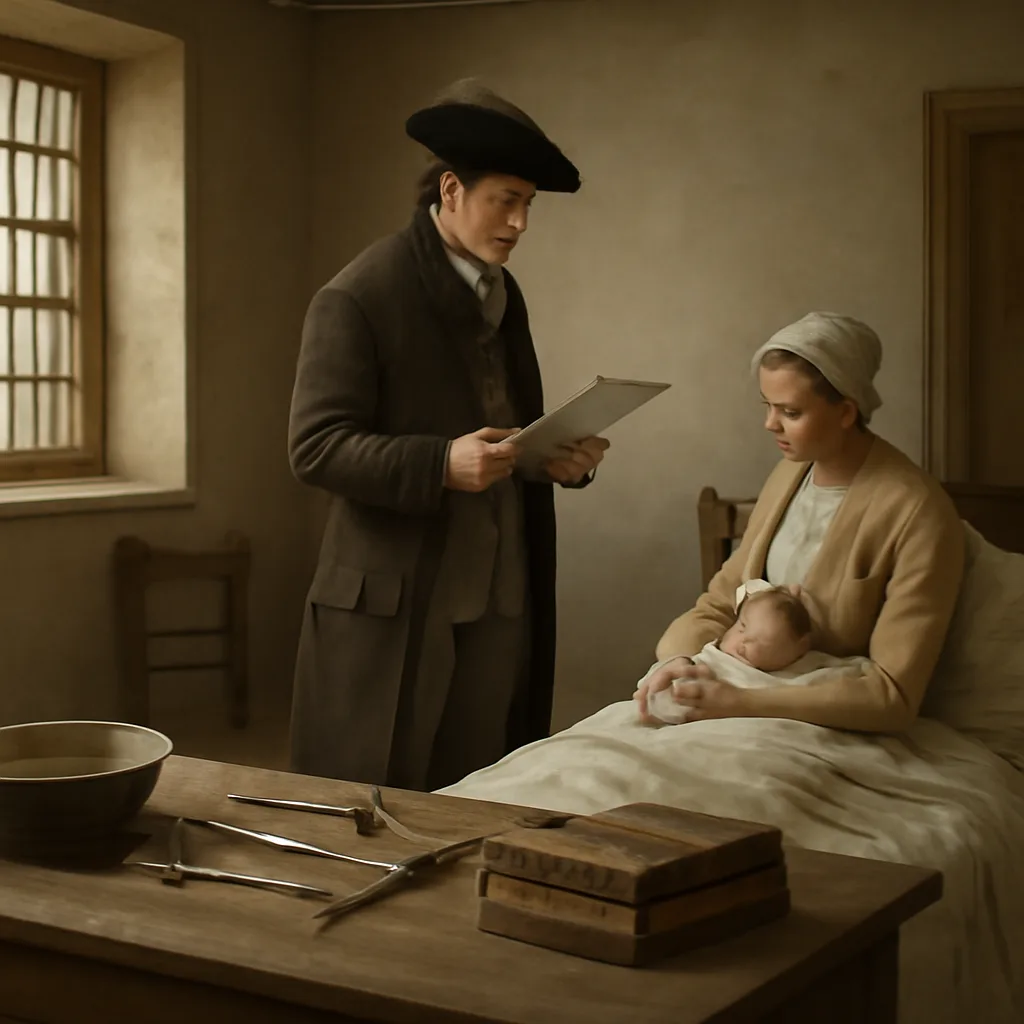
On May 2, 1790, medical reports circulated claiming the first successful human birth following artificial insemination, a development that would provoke ethical debate and scientific interest in the decades to follow.
Historical context
By the late 18th century, scientists and physicians were increasingly attentive to human reproduction. Studies of animal breeding, microscopy, and the circulation of seminal and ovarian theories of generation laid a foundation for early reproductive experimentation. Techniques resembling artificial insemination had been practiced in animals for decades in various forms, and some European physicians and surgeons experimented with ways to assist human conception.
The 1790 report
Primary reports from the period describe a birth attributed to efforts to assist conception; however, contemporary medical documentation is limited in technical detail compared with modern standards. Accounts vary in the degree of procedural description and in the terminology used: writers sometimes employed generalized phrases about “assisted” or “artificial” means without specifying methods now associated with insemination. Because record-keeping and medical reporting conventions differed from today, later historians have debated how precisely to interpret the surviving sources.
Contemporary reactions and aftermath
Reactions at the time ranged from curiosity among some medical practitioners to moral and religious unease among others. The claim contributed to broader public and professional discussion about the boundaries of medical intervention in reproduction. Over the following decades, more systematic experiments and clearer descriptions emerged, especially in animal husbandry, and by the 19th and early 20th centuries practices that would be recognized as artificial insemination became better documented and more technically refined.
Historiographical note
Modern historians treat the 1790 report as an important early reference point in the long history of assisted conception, while also noting limitations in the primary material. The language and sparse procedural detail in surviving accounts make it difficult to equate the 1790 case directly with later, well-documented clinical insemination techniques. Scholars therefore place the event within a continuum of experimental practices rather than as a definitive origin of modern procedures.
Significance
Whether read as a prototypical instance of assisted conception or as an early, ambiguous experiment, the 1790 report underscores how medical practice and public discourse about reproduction have long been entwined. It highlights the gradual shift from anecdotal experiments to systematic scientific methods and the persistent ethical conversations that accompany interventions in human fertility.