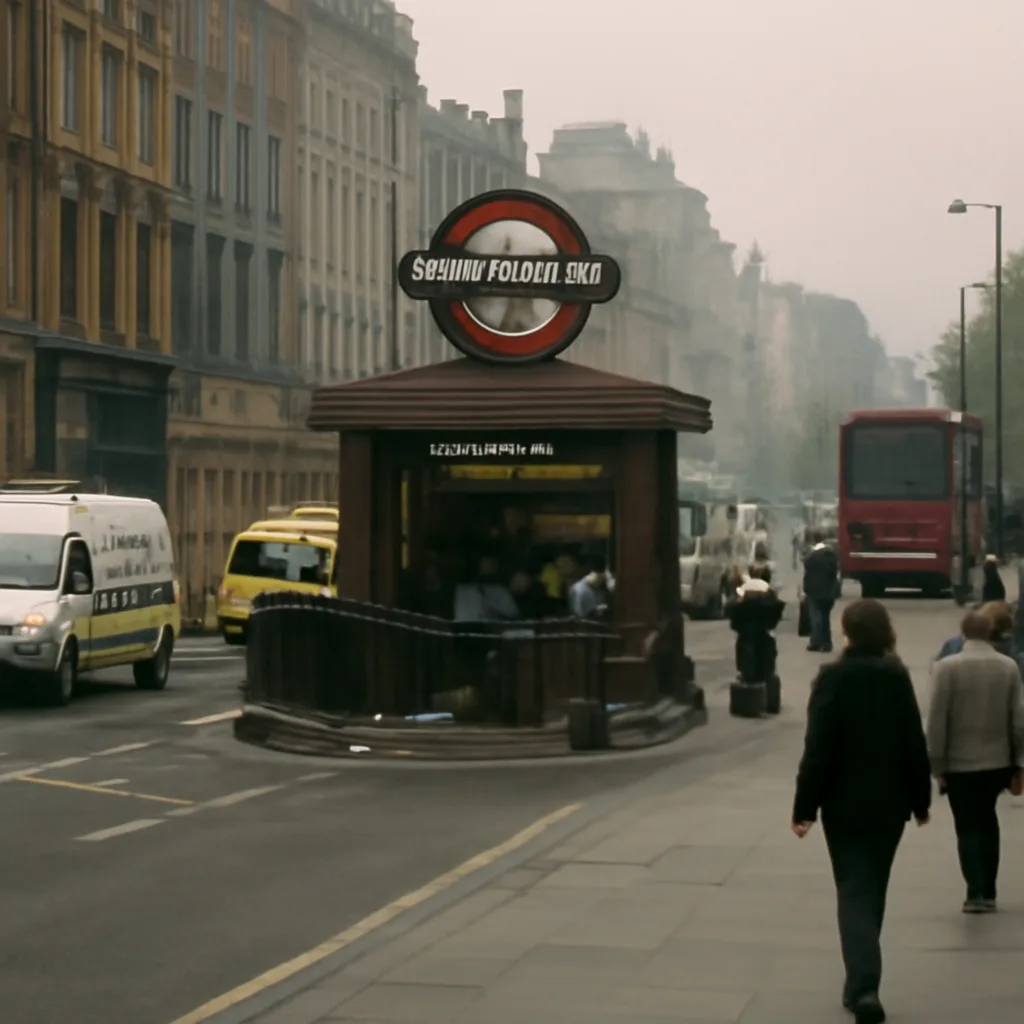
On 7 July 2005, a series of coordinated suicide bomb attacks on London’s public transport network killed 52 civilians and injured more than 700, striking during the morning rush hour and prompting national mourning, emergency response and a major terrorism investigation.
On the morning of 7 July 2005, four suicide bombers detonated improvised explosive devices on three London Underground trains and a double-decker bus during the city’s peak commuter period. The attacks occurred between 8:50 and 9:47 a.m., targeting busy central London routes and producing widespread casualties and disruption. In total, 52 civilians were killed, not including the four bombers, and more than 700 people were injured, many severely. The explosions created immediate chaos, with surviving passengers, emergency services and bystanders assisting the injured at scene.
Location and sequence
Three bombs exploded on Underground trains: one between Aldgate and Liverpool Street stations on the Circle line, another on a westbound train between Edgware Road and Paddington on the Circle line, and a third on a Piccadilly line train between King’s Cross St Pancras and Russell Square. A fourth device detonated on a No. 30 double-decker bus in Tavistock Square approximately one hour after the Underground blasts. The attacks were concentrated in central London transport hubs and major commuting corridors.
Immediate response
London’s emergency services—ambulance, fire and police—responded quickly amid difficult conditions, including damaged tunnels and smoke-filled carriages. Hospitals across the city were mobilised to treat large numbers of burn and blast injuries. The attacks prompted the temporary suspension of parts of the Underground network and major road closures. The scale of casualties and the public setting intensified national shock and led to an immediate surge in security measures at key transport and public locations.
Investigation and attribution
British law enforcement launched a large-scale counterterrorism investigation. Within days, authorities identified four British Islamist extremists as the bombers. The UK government and police treated the attacks as terrorism; subsequent inquiries examined the attackers’ backgrounds, motivations, links to extremist networks, and possible failures in intelligence and security. The London bombings were part of a broader post-9/11 pattern of Islamist-inspired attacks in Europe, and they prompted reviews of counterterrorism policy, public transport security and emergency preparedness.
Public and political impact
The attacks had immediate social and political consequences. Public services and volunteer organisations mobilised to support victims and families. Political leaders across the UK and abroad condemned the attacks and expressed solidarity with London. Security measures on public transport were tightened, and long-term debates followed about civil liberties, community relations, integration, and the balance between surveillance and privacy. The bombings also affected public behaviour, with many commuters temporarily avoiding mass transit and attending memorial events.
Commemoration and legacy
Annual commemorations honour the victims and remember the responders. Memorials and plaques have been placed at impacted sites and in public spaces. Investigations and inquests over subsequent years produced detailed timelines and assessments of both operational response and systemic lessons for intelligence-sharing and prevention. The event remains a defining moment in contemporary British history, influencing counterterrorism policy and public discourse on security, extremism and community resilience.
Notes on sources and certainty
The account above summarises widely reported facts: the date, casualty figures, locations, sequence of attacks, and the attribution to four suicide bombers. Specific investigative details, intelligence assessments and legal findings evolved over time through official inquiries and court processes; users seeking in-depth legal or investigative documents should consult primary sources such as UK government reports, inquest records and contemporary reputable news coverage for full, sourced detail.