
10/10/1977 • 5 views
1977: France Carries Out Last Execution by Guillotine
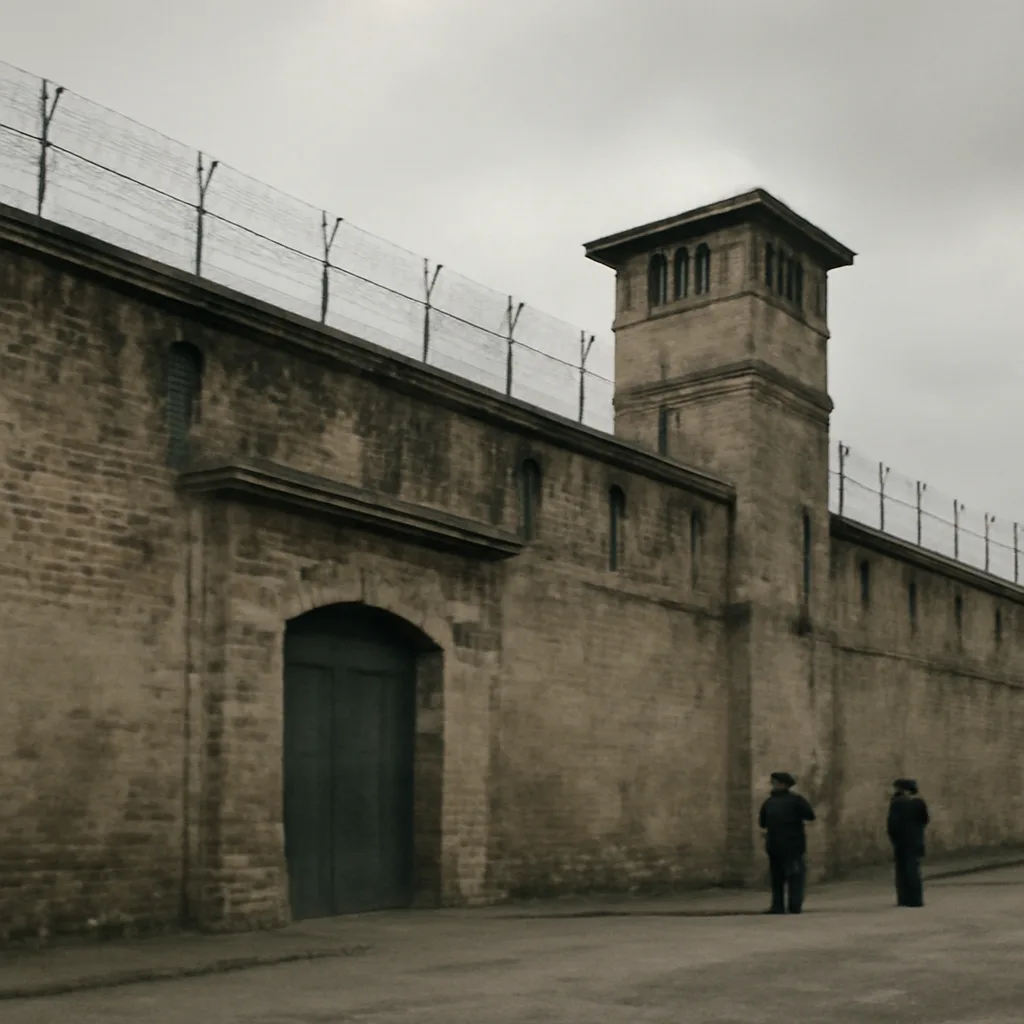
On October 10, 1977, France executed Hamida Djandoubi by guillotine in Marseille—the last person legally put to death in France and the final known use of the guillotine in Western Europe.
Background and trial
Djandoubi was arrested in 1974 and tried for the murder and torture of his former partner, with the case attracting significant public attention. He was convicted by a French court and sentenced to death under the laws then in force. Appeals and requests for clemency were denied. The legal process, including appeals to the Court of Appeal and the Conseil d’État for administrative recourse, followed contemporary French criminal procedure; final clemency was refused by President Valéry Giscard d’Estaing’s administration.
The execution and its context
The execution took place in a period when capital punishment in Western Europe was increasingly contested. Methods of execution had been falling out of favor; the guillotine had been France’s standard execution method since the French Revolution and remained the legal mechanism for carrying out death sentences. Witness accounts and prison records indicate the execution was conducted inside Baumettes Prison with official witnesses present, as required by law.
Public reaction and legal aftermath
Djandoubi’s execution prompted debate within France about the death penalty, human rights, and criminal justice. The event fed into growing abolitionist sentiment among politicians, intellectuals, and the public. In 1981, less than four years after the execution, France abolished the death penalty: the National Assembly and Senate voted to remove capital punishment from French law, and President François Mitterrand’s government enacted the abolition with Justice Minister Robert Badinter a leading advocate.
Historical significance
The October 1977 execution is significant for several reasons: it marks the last time the French state carried out a death sentence; it represents the terminal use of the guillotine as a state execution method in Western Europe; and it underscores the rapid legal and cultural shift in France from acceptance of capital punishment to its abolition. While executions continued elsewhere in the world, France’s abolition in 1981 placed it among European nations that had moved away from the death penalty as a legal punishment.
Sources and verification
The basic facts of the date, location, method, and the abolition timeline are recorded in contemporary French press reports, court records, and later historical and legal analyses of capital punishment in France. Secondary sources include histories of the French justice system and scholarly works on the abolition movement. Details about the trial, appeals, and presidential refusal of clemency are matters of public record in French legal archives.
Uncertainties and contested points
Some narratives around the case emphasize aspects of Djandoubi’s background, the conduct of the investigation, or the conditions of detention; interpretations vary across sources. Eyewitness accounts of the execution itself are limited to official witnesses and journalists present at the time, and certain peripheral details reported in contemporary press coverage have been contested or remain debated among historians. The core facts—date (10 October 1977), place (Baumettes Prison, Marseille), method (guillotine), and subsequent abolition of the death penalty in 1981—are well-documented and widely accepted.
Legacy
The execution is frequently cited in discussions of French criminal justice history and human rights evolution. Museums, legal histories, and exhibitions that address capital punishment in France commonly note the 1977 execution as the endpoint of an era. The abolition that followed reinforced France’s shift toward abolitionist norms within Europe and influenced subsequent human rights policy and law.