
← Back
10/07/2001 • 5 views

U.S. launches Operation Enduring Freedom in Afghanistan
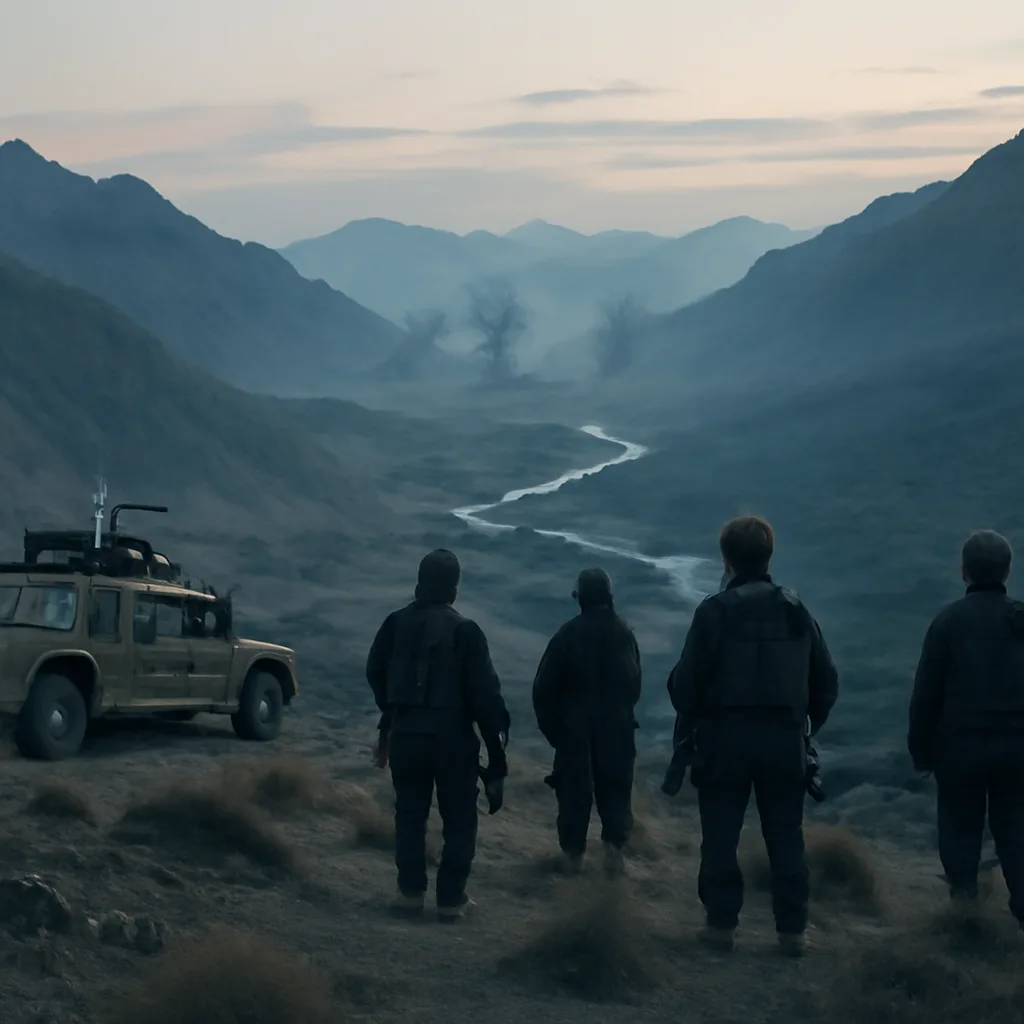
Early 2000s aerial view of Afghan mountains and valleys with smoke rising from distant targets; no identifiable faces.

On October 7, 2001, the United States initiated Operation Enduring Freedom, beginning a U.S.-led military campaign in Afghanistan aimed at dismantling al-Qaeda and removing the Taliban from power following the September 11 attacks.


On October 7, 2001, the United States launched Operation Enduring Freedom (OEF), the opening phase of a U.S.-led military campaign in Afghanistan. The operation followed the September 11, 2001, terrorist attacks in the United States and was authorized by President George W. Bush with the stated goals of dismantling the al-Qaeda terrorist network and removing the Taliban regime, which had provided safe haven to al-Qaeda leaders.

In the weeks after September 11, the U.S. government pursued a mix of diplomatic pressure and military planning. When Taliban leaders refused to hand over al-Qaeda leadership, including Usama bin Laden, the U.S. and coalition partners commenced strikes against Taliban and al-Qaeda targets. The initial phase combined air strikes conducted by U.S. and allied aircraft with targeted cruise missile attacks and the deployment of special operations forces working with Afghan anti-Taliban factions, notably the Northern Alliance. Campaign planning drew on contingency plans developed over previous years for counterterrorism and contingency operations in the region.

Operation Enduring Freedom was not a single, uniform campaign but a series of coordinated actions across air, ground and intelligence domains. Air strikes targeted Taliban command-and-control nodes, training camps, and infrastructure used by al-Qaeda. Special operations teams and CIA paramilitary officers established links with local Afghan commanders, provided training and coordination, and advised ground offensives. These unconventional warfare efforts were decisive in enabling relatively small numbers of U.S. forces and allied advisors to leverage local ground forces to seize territory and key population centers.

Internationally, the operation saw a range of responses. The United Nations Security Council passed resolutions condemning the 9/11 attacks and calling on states to cooperate in bringing the perpetrators to justice; several countries joined the U.S.-led coalition in various military, intelligence, and logistical roles. At the same time, the campaign raised questions about long-term objectives, reconstruction, and the post-conflict political order in Afghanistan.

By December 2001, Taliban control of major urban centers had largely collapsed, and an interim Afghan administration began to take shape with international backing at the Bonn Conference in December. However, remnants of the Taliban and affiliated insurgent groups were not eliminated and subsequently regrouped, leading to an extended conflict that evolved over the following years into a broader and protracted counterinsurgency and nation-building effort involving NATO and other partners.

Operation Enduring Freedom marked the start of nearly two decades of major U.S. military involvement in Afghanistan. Its initial success in displacing the Taliban from power was followed by a complex, costly period of reconstruction, counterinsurgency, and political negotiations. Historians and analysts continue to debate the operation’s planning, execution, and long-term consequences, including the adequacy of post-conflict strategy and the challenges of reconciling short-term military objectives with sustainable political solutions in Afghanistan.

Share this

Email Share on X Facebook Reddit

Did this surprise you?