
05/21/1931 • 8 views
Europe’s First Regular Public Television Service Begins in 1931
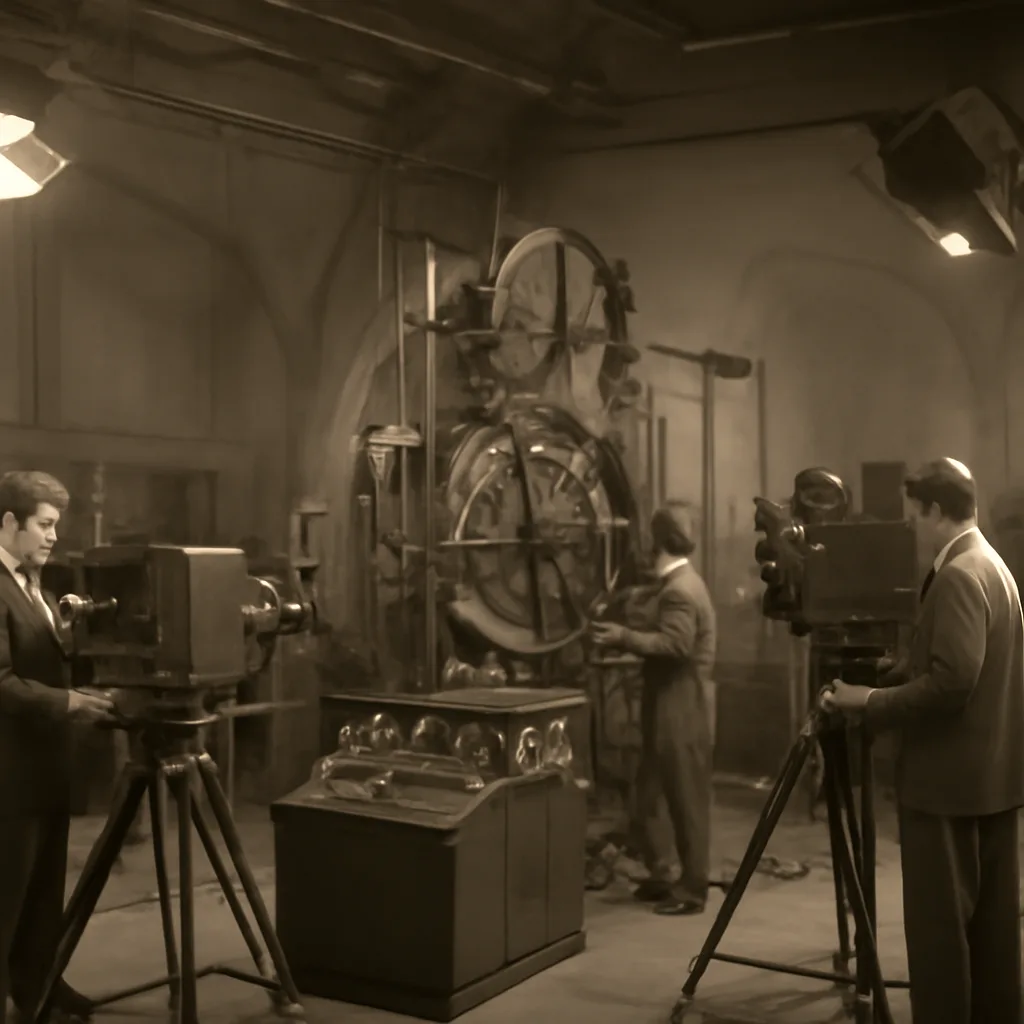
On 21 May 1931 a public television service began regular broadcasts from London’s BBC studios, marking Europe’s first scheduled public television transmission and a milestone in broadcasting history.
Background
Television in the late 1920s and early 1930s existed in several experimental forms. Inventors such as John Logie Baird in the United Kingdom and others across Europe had demonstrated moving-picture transmission using mechanical scanning systems—spinning disks or mirrors that scanned images line by line. The BBC, founded in 1922 as a radio broadcaster, began exploring television as a potential public service in the late 1920s. Experimental transmissions preceded 1931, but those were intermittent and often limited to demonstrations or technical trials.
The 1931 Service
The service inaugurated on 21 May 1931 is commonly described as the first regular public television broadcast service in Europe because the BBC began to schedule transmissions intended for a general audience rather than purely technical tests. Broadcasts were transmitted from Alexandra Palace, using mechanical-scanning equipment with relatively low resolution by later standards—image definition was coarse and frame rates were low compared with later electronic systems. Programming typically consisted of brief variety items, simple performances, and test patterns intended to demonstrate the medium’s potential rather than to provide sustained entertainment.
Technical Context and Limitations
Mechanical television systems relied on devices such as Baird’s 30-line and later 240-line designs; the 1931 service used mechanical methods rather than the fully electronic cathode-ray tube systems that would become standard later in the decade. Receivers were rare and mostly in the hands of experimenters, engineers, and a small number of enthusiasts; mass public ownership of television sets was still years away. Reception was limited in range and quality, and regular schedules were constrained by technical reliability and available studio resources.
Significance and Legacy
While primitive by later standards, the 21 May 1931 transmissions are significant because they mark a transition from isolated demonstrations to a continuing, scheduled public service. The BBC’s early work helped define the institutional and regulatory frameworks for public broadcasting of television in the United Kingdom and influenced developments elsewhere in Europe. Within a few years, advances in electronic television technology, notably the adoption of higher-resolution electronic scanning systems, would supersede mechanical television and lead to the mass-market television era of the late 1930s and postwar years.
Notes on Sources and Historical Interpretation
Historical accounts sometimes vary in wording about what constitutes the “first” public television broadcast in Europe because there were multiple experimental transmissions in different countries during the same period. The characterization above follows mainstream BBC histories and other secondary sources that identify the Alexandra Palace transmissions in May 1931 as the start of the BBC’s regular public television service. Details such as line counts, exact schedules, and the mix of programming are documented in contemporary BBC records and trade journals from the era.