
02/22/1842 • 9 views
1842 Scandal: Britain’s First Widely Reported Medical Quackery Case
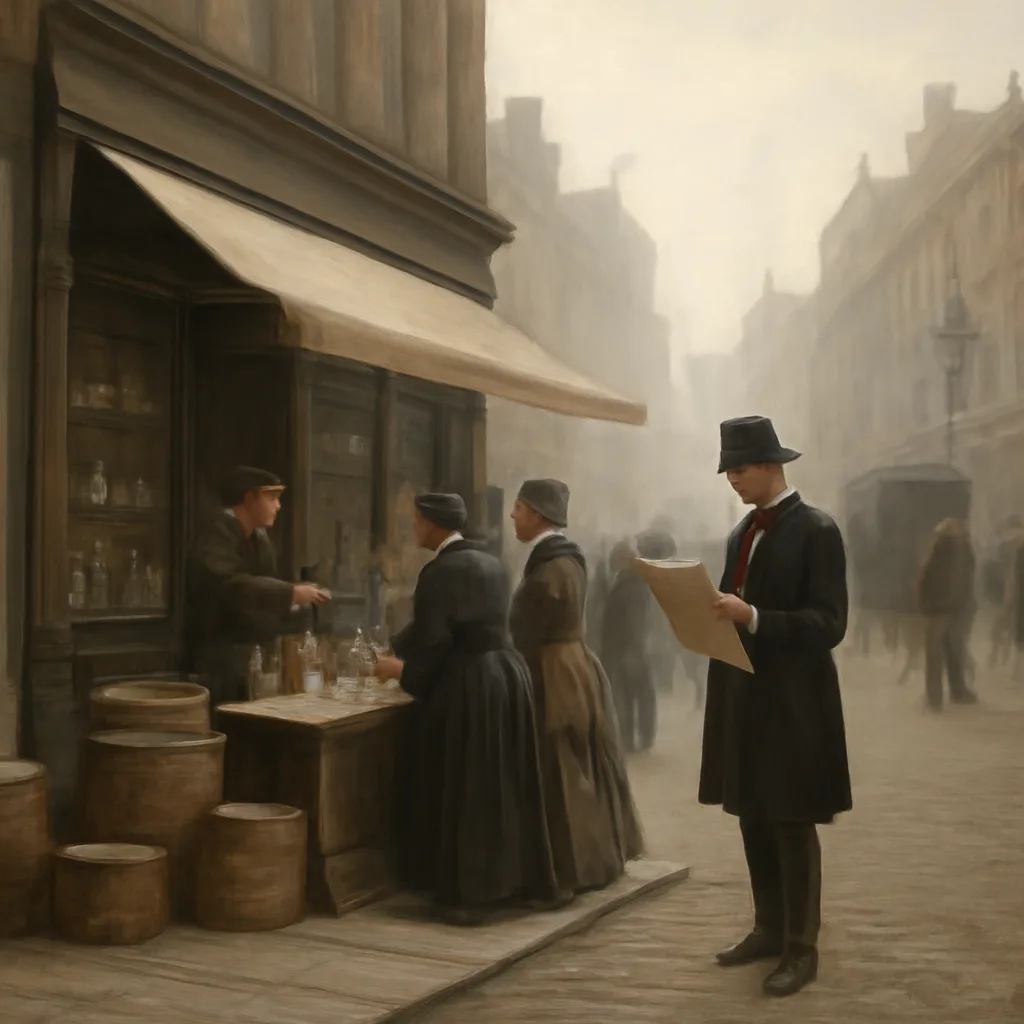
On February 22, 1842, British newspapers published exposés of Joshua Brookes’s alleged patent-medicine practices, marking what historians often cite as the first widely documented medical quackery scandal in Victorian Britain.
Context
The early Victorian era saw rapid growth in commercially sold “patent medicines,” many promoted with grandiose claims and distributed through a burgeoning print culture. The medical profession—organized, increasingly scientific, and seeking professional authority—viewed these products and the practitioners who sold them as threats to public health and to the profession’s status. Newspapers and periodicals began to publish exposés and legal reporting that framed certain cases as scandals rather than simply consumer complaints.
The 22 February reports
On the date generally associated with the scandal, London and provincial papers published accounts alleging that a practitioner named Joshua Brookes (a name that appears in contemporary reporting) was operating a business that combined elements of theatrical self-promotion, dubious diagnostic methods, and the sale of proprietary medicines with extravagant claims. Reporters described patients who spent considerable sums on treatments that produced no demonstrable benefit, and they highlighted public complaints and calls for official action.
Why historians mark this as significant
Several features make the February 1842 reporting a landmark in the history of medical quackery: (1) the role of the popular press in investigating and amplifying consumer grievances; (2) the interaction between those reports and nascent professional efforts to police medical practice; and (3) the public spectacle created when ordinary patients, newspapers, and medical elites converged around allegations of deception. The incident helped shape later debates over the regulation of medicines and the legal limits on medical advertising.
Limitations and disputes
Scholars caution against treating any single date as the absolute origin of medical quackery scandals. Fraudulent medical practice and charlatanry have long histories stretching back centuries; regional exposés and legal actions existed earlier. What distinguishes the 22 February 1842 episode is its combination of press prominence and public resonance within a rapidly modernizing media and medical landscape. Some historians dispute the centrality of Joshua Brookes specifically, noting that contemporary reporting could conflate multiple actors and that newspaper accounts sometimes sensationalized details.
Aftermath and impact
The publicity surrounding the case contributed to growing calls for regulation of medical claims and the sale of proprietary medicines. Over subsequent decades Britain and other countries moved—gradually and unevenly—toward stricter controls on advertising, labeling, and professional certification. The 1842 reports also helped establish a template for how the press would investigate and expose suspected medical fraud, a pattern repeated in later scandals.
Conclusion
While not the absolute first instance of medical deception, the events publicized on 22 February 1842 represent an early, well-documented example in which newspaper investigation, public outrage, and professional concern coalesced into a scandal that influenced debates over medical regulation. Historians treat it as notable for its visibility and its role in shaping subsequent reform efforts, while acknowledging that quackery itself has a much longer and more complex history.