
← Back
02/22/2007 • 6 views

CIA Releases Cold War 'Killing' Manuals from 1950s–1970s
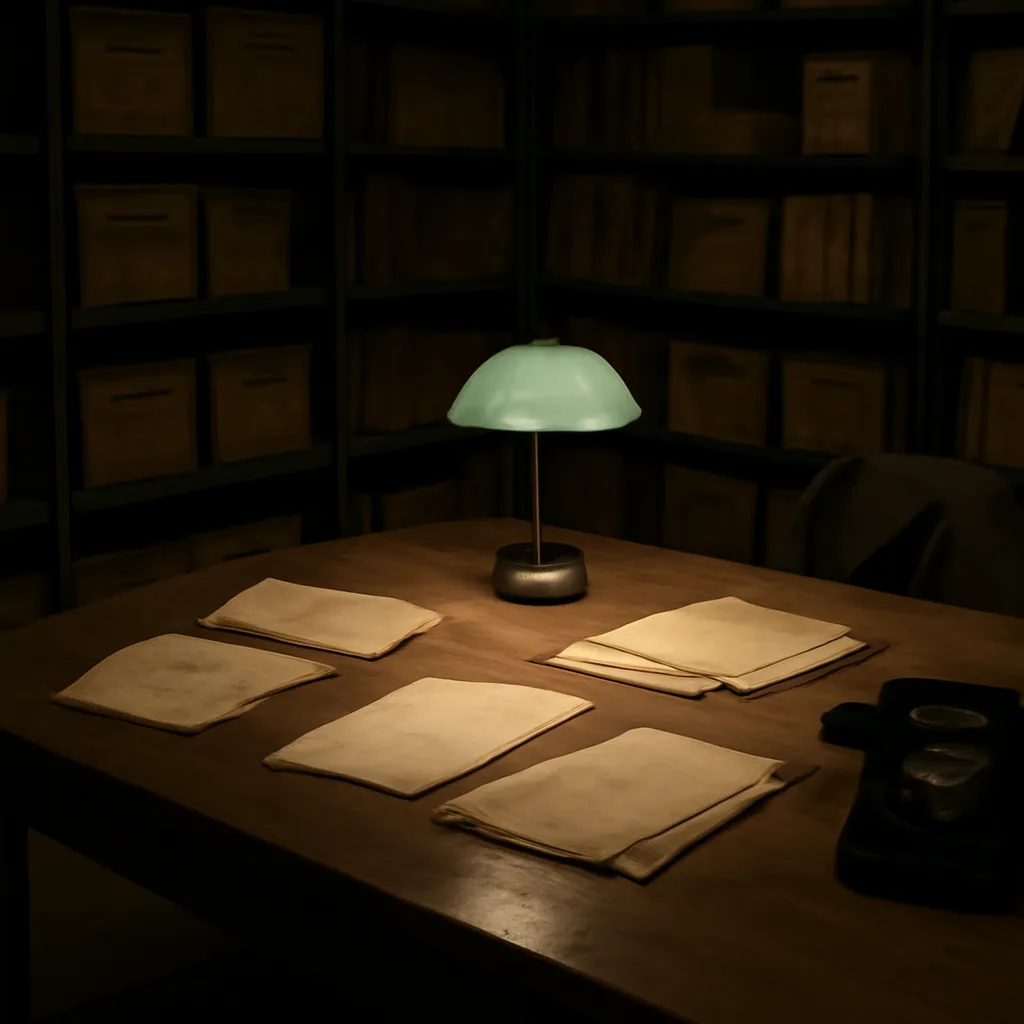
Archive room shelves with boxes and manila folders labeled with dates and classification stamps, mid-20th-century documents spread on a wooden table under soft overhead lighting.

In February 2007 the CIA declassified manuals and training materials from the Cold War era that included instructions on covert killing, sabotage and clandestine operations, prompting renewed scrutiny of past agency practices and calls for transparency.


In late February 2007 the Central Intelligence Agency publicly released a tranche of declassified documents from the Cold War era that included operational manuals and training materials describing methods for clandestine action, sabotage and—explicitly in some cases—techniques for lethal covert operations. The release followed systematic declassification reviews and Freedom of Information Act requests and fed ongoing debates over the CIA’s historical role in covert interventions.

What was published
The materials dated primarily from the 1950s through the 1970s and encompassed field manuals, training curricula and internal memoranda. Some documents provided practical instructions on sabotage, concealment of operations and techniques for neutralizing targets, while others focused on tradecraft: communication, safe houses, forgery and clandestine entry. The manuals reflect doctrinal thinking from a period when paramilitary and covert political activities were core elements of U.S. Cold War strategy.

Context and provenance
These documents emerged amid a broader, piecemeal release of formerly classified Cold War-era records. In the post-Vietnam and post-Church Committee era, the CIA and other agencies moved some materials from operational to archival status; subsequent FOIA litigation and internal review processes gradually made portions available. The 2007 disclosures were not a single mass dump but rather a set of records declassified under established review procedures.

Reactions and significance
Civil liberties groups, independent historians and some journalists used the release to underscore aspects of U.S. covert doctrine that had been suspected but seldom documented in such detail. For critics, the manuals provided concrete evidence of planning and training for operations that could include assassination or lethal sabotage, supporting broader claims about overreach in covert operations during the Cold War. Defenders and some former officials emphasized the historical context: these materials reflected contingency planning during a global ideological confrontation when clandestine options were considered alongside diplomatic and military tools.

Limitations and disputed interpretations
Not all observers agree on how to interpret the manuals. Some documents are procedural or hypothetical and do not prove that particular lethal operations were carried out; others are fragmentary or redacted. The presence of instructional material does not automatically equate to policy endorsement by successive administrations, and historians caution against conflating doctrine with documented actions without corroborating operational records. Scholars continue to debate what the documents demonstrate about the scale, oversight and legality of specific Cold War-era activities.

Legacy and ongoing relevance
The 2007 declassification contributed to a more detailed archival record of U.S. intelligence activity during the Cold War and fed legislative and public discussions about classification, oversight and accountability. Researchers have used the materials to refine timelines and to better understand CIA training and planning methods. The release also informed later calls for further transparency about historical operations and bolstered arguments for improved mechanisms to review and disclose records of significant public interest.

Overall, the CIA’s 2007 disclosures did not resolve all questions about Cold War covert operations, but they added primary-source detail to an already contested chapter of U.S. intelligence history—prompting fresh analysis, legal requests and public debate about how democratic societies scrutinize past clandestine activities.

Share this

Email Share on X Facebook Reddit

Did this surprise you?