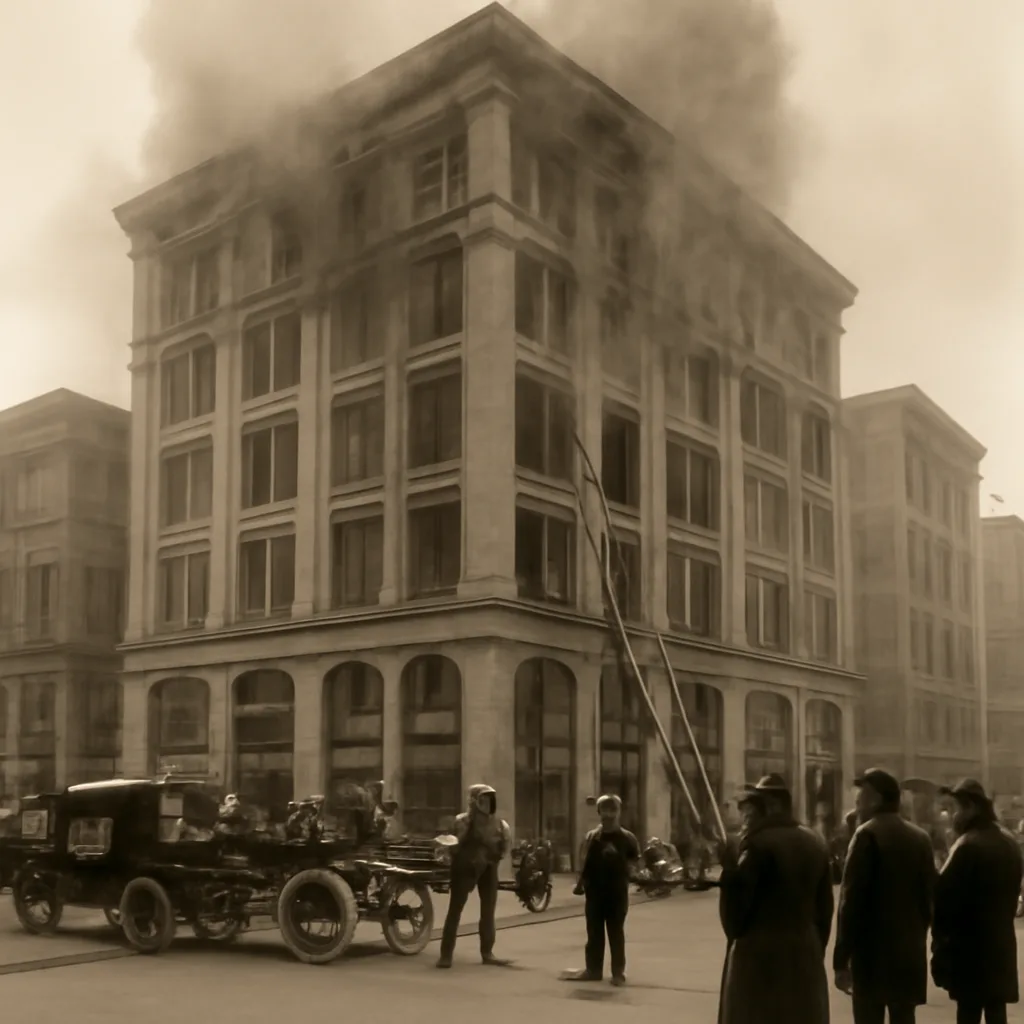
After a 1911 high-rise fire, new regulations reshape modern buildings
On May 11, 1911, a fire in a modern steel-frame commercial building exposed critical safety gaps, prompting cities and insurers to adopt stricter fireproofing, egress, and inspection rules that shaped later skyscraper codes.
On May 11, 1911, a major fire in a recently constructed steel-frame commercial building—one of the early examples of what was then called the “modern” office block—highlighted weaknesses in fire safety practices for tall structures. The conflagration, occurring in an era of rapid urban growth and new construction techniques, accelerated demands from municipal authorities, building owners and insurance companies for clearer standards on fireproofing, means of egress and regular inspections.
The late 19th and early 20th centuries saw the rise of steel-frame construction, elevators and larger, more densely occupied office buildings. These innovations allowed buildings to rise higher than masonry-bearing walls could safely support, but also created unfamiliar fire risks: voids within steel skeletons, combustible interior finishes, and reliance on passive fire-resistive materials and compartmentation rather than massive masonry. Early codes and inspection regimes had not yet caught up with these technical changes.
The 1911 fire made visible several recurring problems. In some cases, fireproofing materials—such as encasements around structural steel or fireproof floor systems—were inadequate, deteriorated, or absent in parts of the structure. Interior layouts and furnishings provided fuel that allowed flames and smoke to spread quickly. Stairwells and exits were sometimes poorly protected or insufficient in number for the building’s occupancy. Fire detection and alarm systems were primitive by later standards, and firefighting techniques and equipment had limited reach into taller buildings.
Public and private reactions were swift. Municipal building departments began to revise ordinances to require more robust fire-resistive construction methods for steel-frame buildings, stricter standards for fireproofing materials and installation, and better protection of vertical openings and stair enclosures. Insurance companies reassessed underwriting practices for high-rise risk, often conditioning coverage on compliance with specified fire-safety measures and regular inspections. Fire departments, confronting the difficulty of fighting blazes in taller structures, pushed for improved access, internal standpipe systems, and training focused on high-rise firefighting.
The incident also fed into a broader movement to codify building standards at the city and, later, national level. Over the following years, model codes evolved to include clearer requirements for fire-resistance ratings of structural members, noncombustible interior finishes in critical areas, protected means of egress, automatic or manual alarm signaling, and the installation of interior water-supply systems (standpipes or sprinklers) where appropriate. These codes increasingly emphasized compartmentation—using fire barriers and rated floor and wall assemblies to limit fire spread—and the inspection and maintenance of fire-protection systems.
While no single fire can be credited with creating modern building codes, the 1911 event was one of several high-profile incidents that revealed gaps between new construction technologies and existing safety practices. It contributed to a growing consensus among architects, engineers, fire officials and insurers that regulatory frameworks must keep pace with technological change. The resulting regulations and industry practices reduced certain risks in subsequent decades, although building-safety remains an area of continuous adaptation as materials, designs and uses evolve.
Historical records from the period show that legal and technical responses took various forms depending on local politics, municipal resources and the influence of insurance interests. Some cities moved quickly to tighten codes and enforcement; others were slower, relying on voluntary standards and insurance pressure. Nevertheless, the cumulative effect of early 20th-century fires and the regulatory responses they triggered helped lay the groundwork for the more comprehensive, performance-based fire and life-safety codes that govern tall buildings today.