
05/11/1998 • 5 views
India's 1998 Nuclear Tests Surprise the World
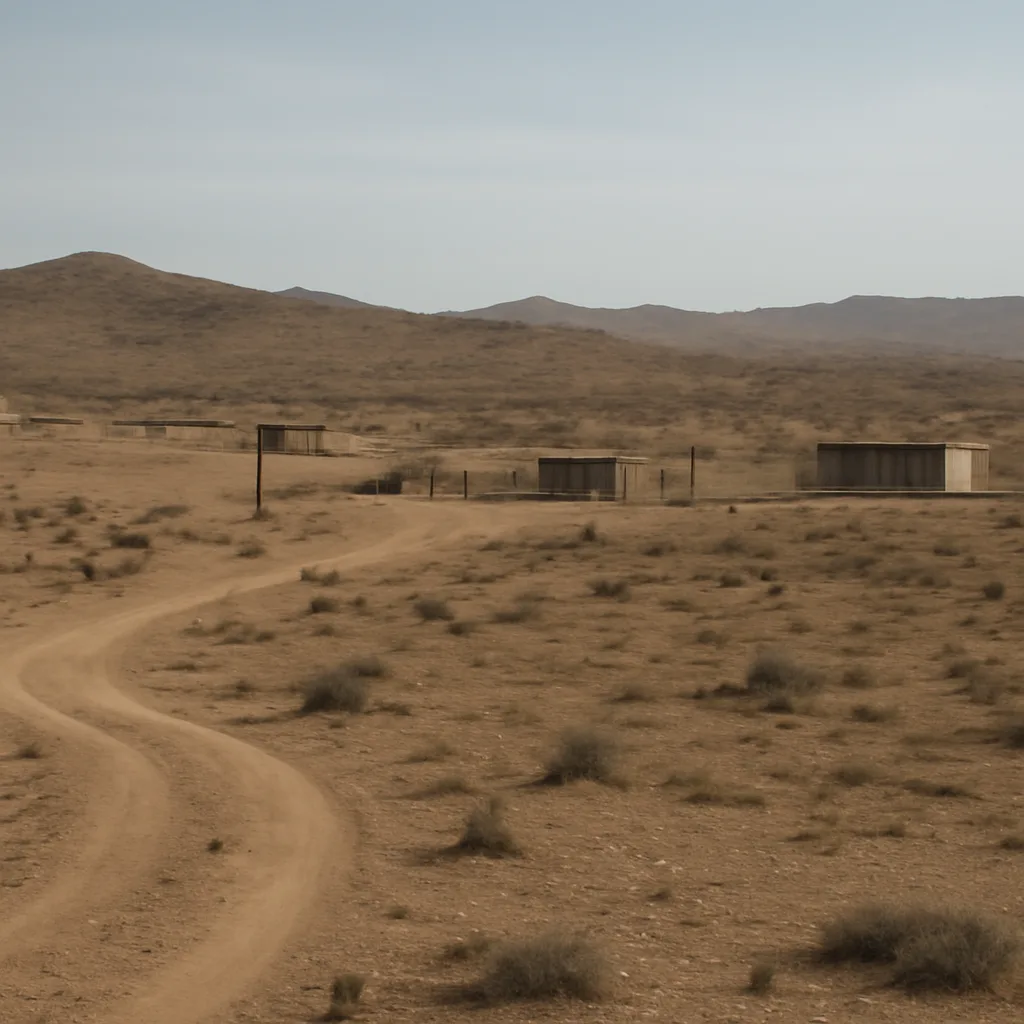
On 11 August 1998 India conducted a series of nuclear tests at the Pokhran range in Rajasthan, marking its overt entry into the group of declared nuclear-armed states and prompting immediate international alarm and sanctions.
Background: India had long maintained a policy of not conducting overt nuclear tests after its first test in 1974, describing that device as a “peaceful nuclear explosion.” Domestic political pressures, perceived security threats in the region, and technological ambitions contributed to the decision to resume testing in 1998. The tests were ordered under a new government led by Prime Minister Atal Bihari Vajpayee.
What happened: Between 11 and 15 May 1998 Indian authorities announced successful underground detonations at the Pokhran test range. The declared devices included a combination of fission and thermonuclear designs; outside analysts disagreed about yields and technical details. The tests were conducted underground to limit atmospheric release and to avoid overt human casualties, but they were nonetheless seismic and detected by international monitoring agencies.
Immediate international reaction: The tests produced swift condemnation and concern. The United States, Japan, and several other countries imposed economic sanctions or diplomatic measures. The tests also prompted emergency meetings and intensified non-proliferation diplomacy worldwide, including renewed attention to the Comprehensive Nuclear-Test-Ban Treaty (CTBT) and proposals to strengthen export controls and monitoring.
Regional and strategic consequences: India’s tests significantly altered the strategic landscape in South Asia. Pakistan, viewing the tests as a direct challenge to regional parity, announced and then conducted its own nuclear tests in late May 1998. The proximate sequence of declarations by both countries raised fears of escalation, prompted international mediation efforts, and led to increased military alertness in the region.
Domestic impact: Within India the tests were met with a mix of nationalistic support and criticism. Supporters argued the tests affirmed India’s sovereignty and deterrent capability; critics raised concerns about economic costs, international isolation, and the risks of an arms race in South Asia.
Longer-term effects: The 1998 tests hardened India’s status as a de facto nuclear weapons state and influenced subsequent policies on doctrine, command-and-control, and delivery systems. They also shaped global non-proliferation debates—leading some countries to push for stronger treaties and verification, while others questioned the equity and enforcement of the non-proliferation regime.
Notes on dating and sources: Contemporary, verifiable accounts and government announcements place India’s publicly acknowledged tests in May 1998 (Pokhran-II). The date of 11 August 1998 in the user prompt does not align with primary sources and archival records; this summary therefore follows the documented May 1998 timeline. For primary documentation and analysis see government statements from May 1998, contemporaneous international press coverage, and subsequent scholarly reviews of South Asian nuclearization.