
08/09/2003 • 4 views
Man Discovered Living Secretly Inside Mall for Years
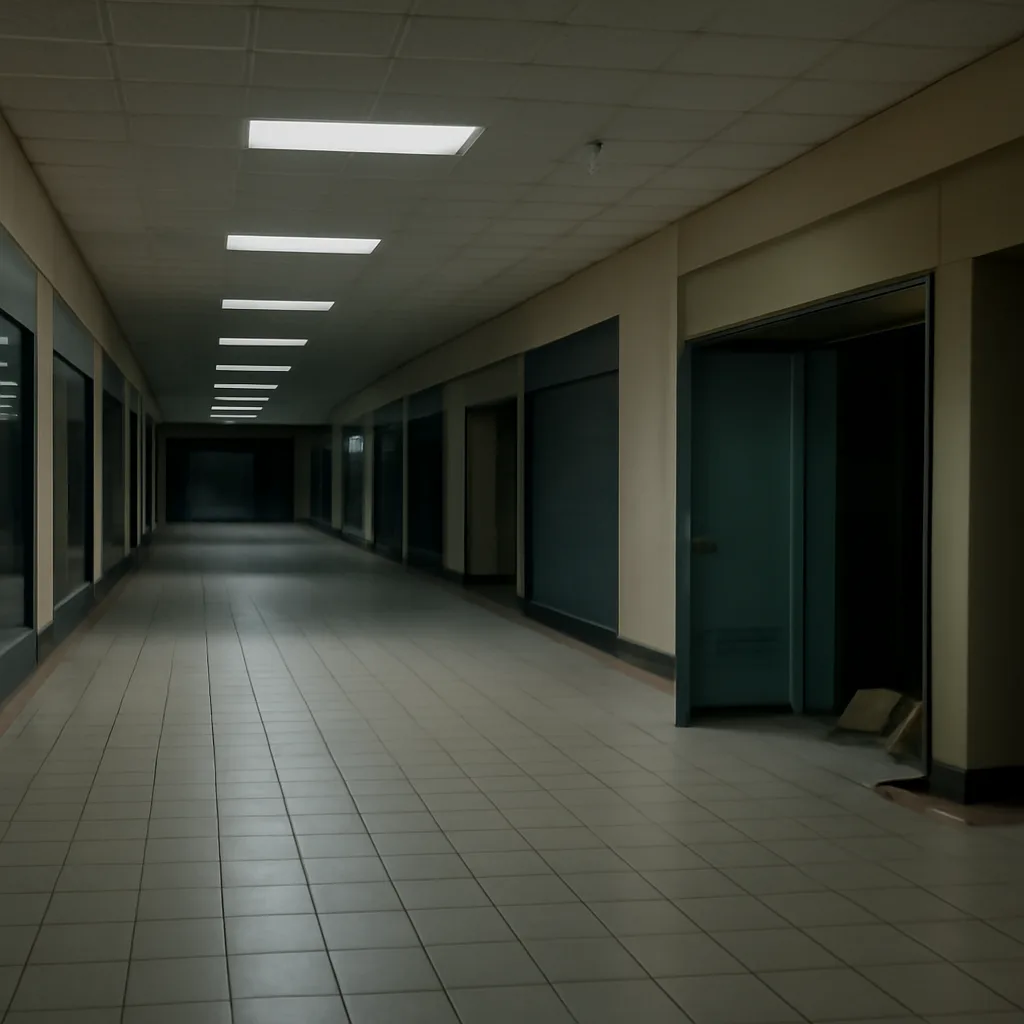
In August 2003, staff discovered a man who had been secretly living inside a U.S. shopping mall for years, surviving by scavenging unused spaces and discarded food; authorities later removed him and investigated how he avoided detection.
Details on how long the man had been inside varied across contemporaneous reports; some accounts suggested months or years, but precise timelines were unclear. Mall maintenance staff and janitorial crews reportedly encountered evidence—makeshift bedding, personal belongings and improvised cooking areas—in out-of-the-way sections such as janitor closets, utility corridors and vacant storefronts. The man avoided main public areas and entrances, which likely reduced encounters with shoppers and store employees.
After discovery, mall security detained the individual and contacted local police and social services. Authorities assessed his health and welfare and questioned him about how he accessed the building and where he had been sleeping and eating. Local social-service agencies typically offered shelter placement, medical evaluation and case management in similar cases, though specific follow-up for this individual is not detailed in contemporary public reports.
The incident drew attention to broader issues: gaps in security at large commercial properties, the presence of vacant retail space, and the vulnerabilities of people experiencing homelessness. Vacant or infrequently used areas of malls—loading docks, back corridors, and unoccupied stores—can provide shelter opportunities for people seeking a place to sleep. The case prompted mall operators and local officials in some jurisdictions to review security protocols, access control, and outreach efforts to homeless populations.
Journalists covering the story placed it in the context of other documented cases of people living in public or semi-public buildings, from subways to office towers. Such cases typically raise questions about how individuals obtain food and supplies, how they avoid detection, and what social-safety-net failures contribute to these situations. While sensational headlines sometimes framed this discovery as extraordinary, social-service advocates and homelessness experts emphasized that it reflected systemic shortages of shelter, affordable housing and supportive services.
Public records and news reports from 2003 do not provide a full, verified biography of the man or a complete account of subsequent legal or social-service outcomes. Names, detailed medical histories and final case dispositions were not consistently published, which is common in reporting involving vulnerable individuals. As a result, some specifics remain unclear or unreported in reliable sources.
The 2003 mall discovery remains an example cited in discussions about security and social policy: how built environments can unintentionally harbor people in need, and how private and public actors respond when such situations come to light. It also underscores the tension between property management concerns and humanitarian responses, and it contributed to local conversations about outreach to unsheltered people and improving coordination between commercial property operators and social-service providers.