
08/09/1973 • 5 views
Senate Investigation Reveals Widespread Corruption in 1973 Inquiry
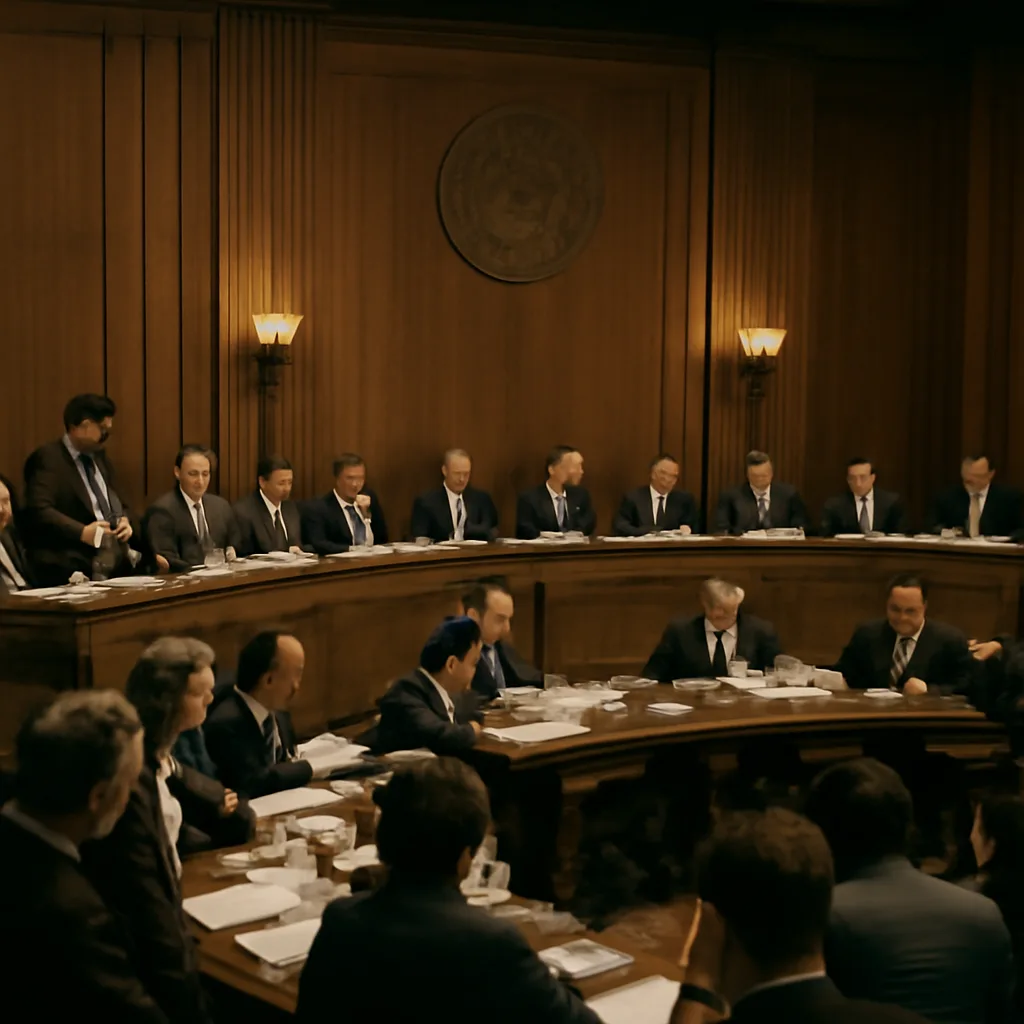
On August 9, 1973, the U.S. Senate disclosed extensive corruption linked to federal contracts and influence-peddling uncovered during an ongoing investigation; the findings intensified public scrutiny of executive-branch ties to private contractors and prompted calls for reforms.
Scope and findings
The Senate inquiry documented patterns in which government decisions on contracting, procurement, and regulatory enforcement appeared to be influenced by improper payments, gifts, and preferential treatment. Investigators identified networks of subcontracting arrangements and intermediaries who secured contracts for firms with political or personal connections to officials. The report described failures of oversight at multiple layers of government, including inadequate record-keeping, weak internal controls, and a culture that tolerated or obscured conflicts of interest.
Institutional reactions
Senators from both parties responded to the disclosures by calling for tighter ethical rules, stronger enforcement mechanisms, and expanded transparency in federal contracting. Proposed measures included stricter disclosure requirements for government officials, tighter rules on gifts and outside income, and enhanced auditing of contract awards. At the agency level, officials acknowledged shortcomings in procurement procedures and initiated internal reviews; some agencies committed to revising contracting policies and improving inspector general oversight.
Political and public impact
The revelations fed into a broader national conversation in 1973 about accountability in government. Coming amid other high-profile investigations that year, including inquiries related to executive misconduct, the Senate report heightened public concern about corruption and contributed to momentum for legal and procedural reforms. The disclosures also had political consequences: they became points of contention in congressional hearings and influenced public perceptions of the administration and federal institutions involved.
Limitations and subsequent developments
While the Senate report detailed systemic problems and named instances where contracts appeared improperly awarded, not all allegations resulted in criminal charges. Some cases led to administrative sanctions, contract terminations, or congressional referrals to prosecutors; others remained unresolved or were subject to competing interpretations. The report spurred additional investigations by Department of Justice officials and agency inspectors general, and helped shape later legislative efforts to strengthen federal ethics laws and procurement safeguards.
Historical significance
The August 1973 disclosures stand as part of a pattern of investigations in the early 1970s that exposed ethical lapses and abuses of power in Washington, prompting reforms aimed at increasing transparency and accountability. The episode underscored the need for robust oversight of government contracting and clearer boundaries between public office and private benefit—issues that continued to inform subsequent policy and legislative debates.