
11/13/2015 • 5 views
November 2015 Paris attacks kill 130, wound hundreds in coordinated assaults
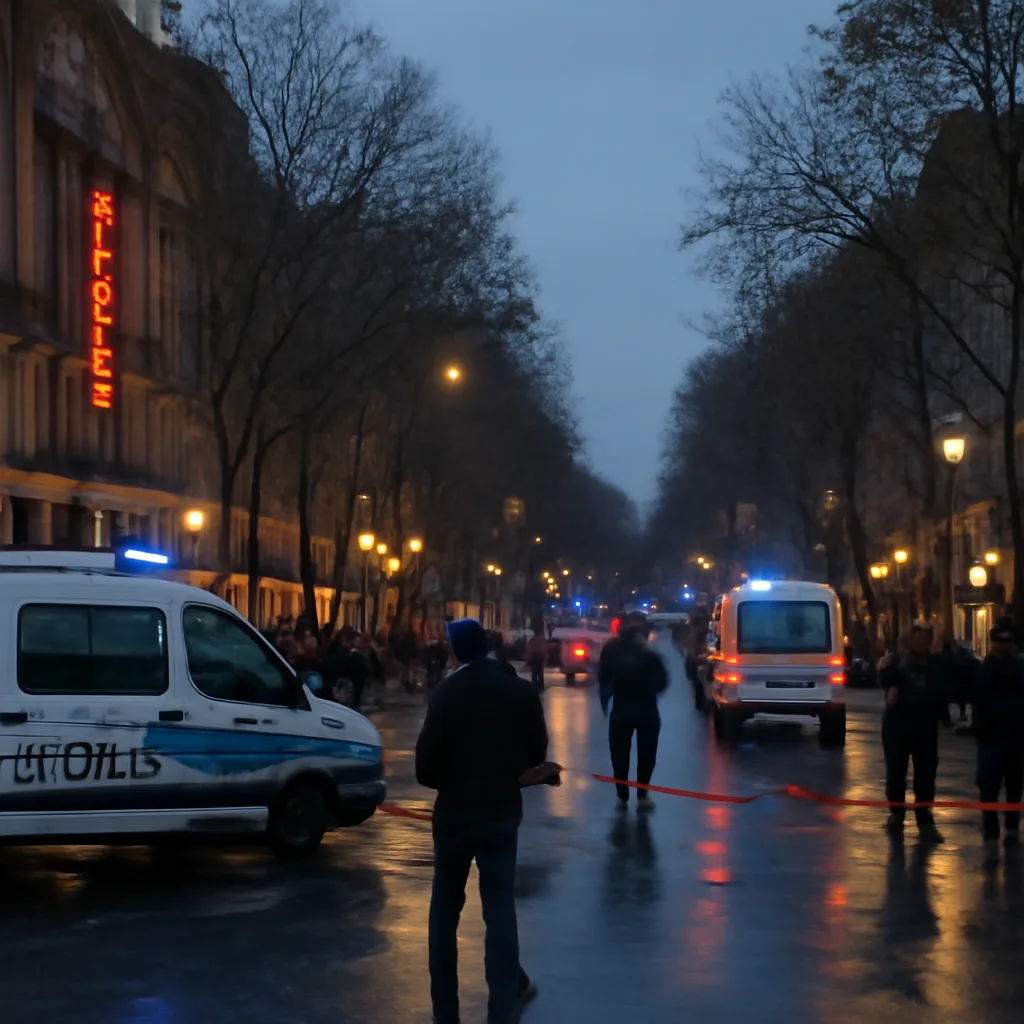
On November 13, 2015, coordinated terrorist attacks across Paris—targeting the Bataclan concert hall, cafés and the Stade de France—killed 130 people and injured hundreds more in one of France's deadliest peacetime incidents.
Timeline and locations
- Around 9:20 p.m., three suicide bombers detonated explosives near the Stade de France during an international football match between France and Germany, injuring bystanders and creating an immediate security response. French President François Hollande, attending the match, was evacuated from the stadium.
- Shortly thereafter, shootings erupted at multiple sites in the eastern part of Paris, including terraces of cafés and restaurants where people were dining.
- The deadliest single location was the Bataclan theatre, where attackers entered during a concert and opened fire on the audience. Hostage-taking occurred, and a prolonged siege ended when French special forces raided the building, freeing some hostages but confirming many fatalities.
Perpetrators and motive
Investigations linked the attacks to Islamic State (ISIS/ISIL). French authorities identified several attackers, some of whom were suicide bombers, and found connections to international networks. Subsequent police operations and judicial inquiries traced planning and logistical support to individuals in France and abroad. Authorities described the attacks as coordinated terrorism intended to inflict mass casualties and target civilian life and cultural venues.
Immediate response and security measures
French emergency services, police, and the national anti-terror prosecutor launched large-scale operations. The government declared a state of emergency, closed borders temporarily, and deployed thousands of additional security personnel to protect public sites. Public events were canceled or postponed, and nationwide security was heightened for weeks. The attacks prompted international expressions of solidarity and offers of assistance.
Aftermath and investigations
In the months and years following the attacks, French and international investigators conducted arrests, prosecutions, and intelligence operations aimed at dismantling networks involved in the planning and execution. Trials and legal proceedings addressed accomplices and facilitators; some suspects were tried in absentia or killed in police operations. The attacks renewed debates in France and Europe over counterterrorism, intelligence sharing, border controls, radicalization, prison policy, and integration.
Victims and societal impact
The attacks left deep trauma in France and abroad: victims included French citizens and foreign nationals. Memorials, vigils, and commemorations followed in Paris and worldwide. The events prompted reflection on security versus civil liberties, emergency preparedness, and social cohesion. The Bataclan attack, in particular, became a focal point for remembrance of those killed and for broader conversations about protecting cultural life in democratic societies.
Legacy
The November 13 attacks remain among the deadliest terrorist incidents in France's recent history. They influenced French domestic policy and international counterterrorism cooperation and are widely cited in discussions about the threat posed by foreign fighters, online radicalization, and urban terrorism. Official casualty figures and many factual details come from French authorities, emergency services, and court records; where details have been contested or evolved during investigations, reporting and judicial findings refined the public record over subsequent years.