
06/11/2001 • 5 views
Execution of Oklahoma City Bomber Timothy McVeigh
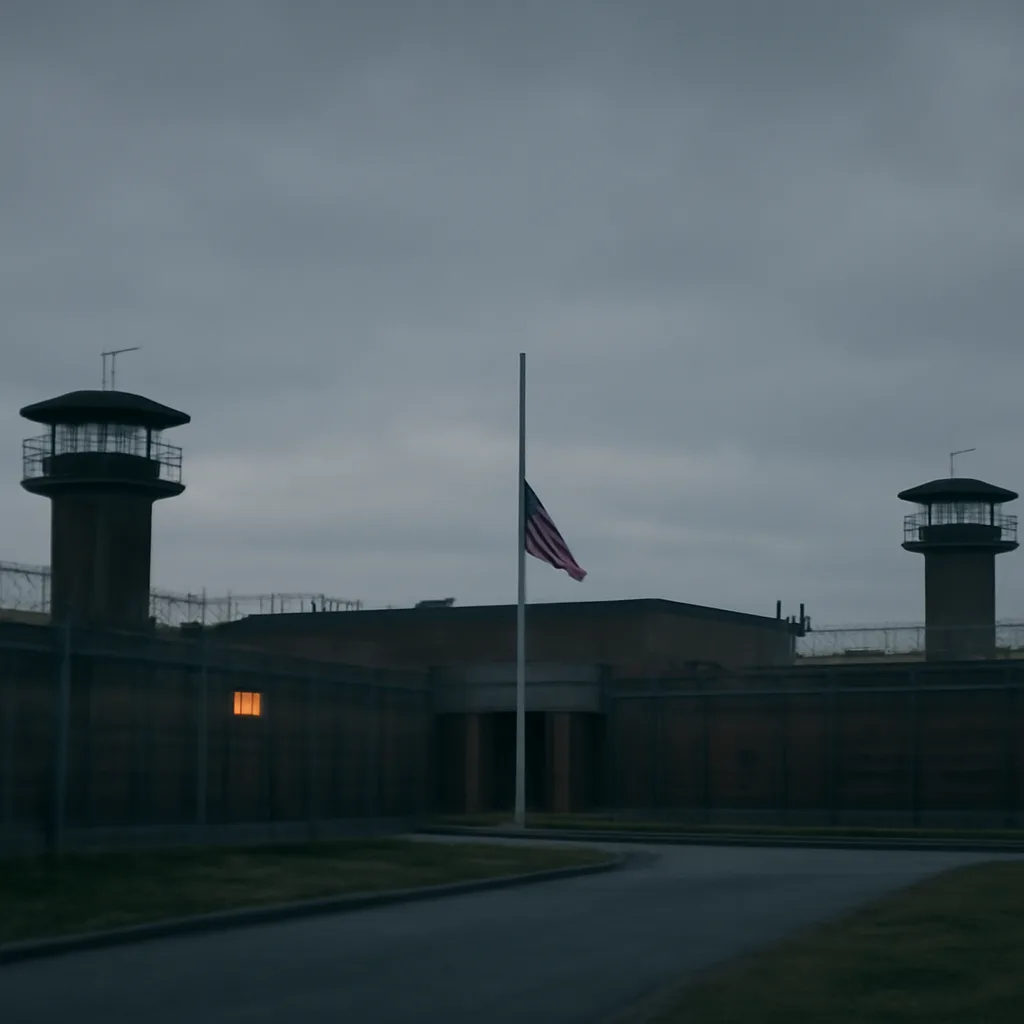
Timothy McVeigh, convicted for the 1995 Oklahoma City bombing that killed 168 people, was executed by lethal injection; his death marked the federal government’s first civilian execution in decades and renewed debate over capital punishment and domestic terrorism.
McVeigh’s execution was carried out under federal authority; it was the first federal execution of a civilian in the 20th–21st century era (the federal government resumed carrying out civilian death sentences after a long hiatus). His co-defendant, Terry Nichols, received multiple life sentences and remains imprisoned. McVeigh declined to seek clemency from President George W. Bush, and his appeals in federal courts and petitions for stays were exhausted in the months leading up to the execution.
The bombing had profound effects on victims’ families, the city of Oklahoma City, and U.S. policy. It prompted changes in federal building security and spawned a national dialogue about domestic terrorism, anti-government extremism, and the limits of violent protest. Memorials, including the Oklahoma City National Memorial and Museum, were established to honor victims and document the attack and its aftermath.
Reactions to McVeigh’s execution were mixed. Many survivors and victims’ relatives expressed relief or a sense of closure at the carrying out of the sentence; others opposed capital punishment on principle and saw the execution as a continuation of violence. Legal scholars and civil liberties advocates used the case to discuss broader issues: the application of the death penalty in federal cases, the adequacy of legal representation for death-row inmates, and how the justice system addresses ideologically motivated mass violence.
The McVeigh case also influenced subsequent law enforcement and intelligence approaches to domestic extremist threats. Investigations after the bombing examined networks of sympathizers and the role of extremist literature and paramilitary training in motivating violent actors. The Oklahoma City attack remained, for years, the deadliest act of domestic terrorism in U.S. history and a reference point in discussions of prevention, response, and rehabilitation.
While McVeigh was the most publicly visible perpetrator, the bombing’s impacts were distributed across many institutions: emergency responders, hospitals, schools, local businesses, and civic organizations all participated in recovery and long-term commemoration efforts. The legal process—from indictment through appeals and execution—was extensively documented in court records and contemporary reporting, which remain sources for researchers and journalists examining the case and its implications.
McVeigh’s execution did not end debates over how democracies should respond to terrorism, especially when perpetrators are citizens radicalized within the country. It remains a focal point in discussions about punishment, deterrence, victims’ rights, and the ways societies remember large-scale tragedies.