
04/26/1999 • 4 views
House Slides Downhill Overnight but Remains Intact
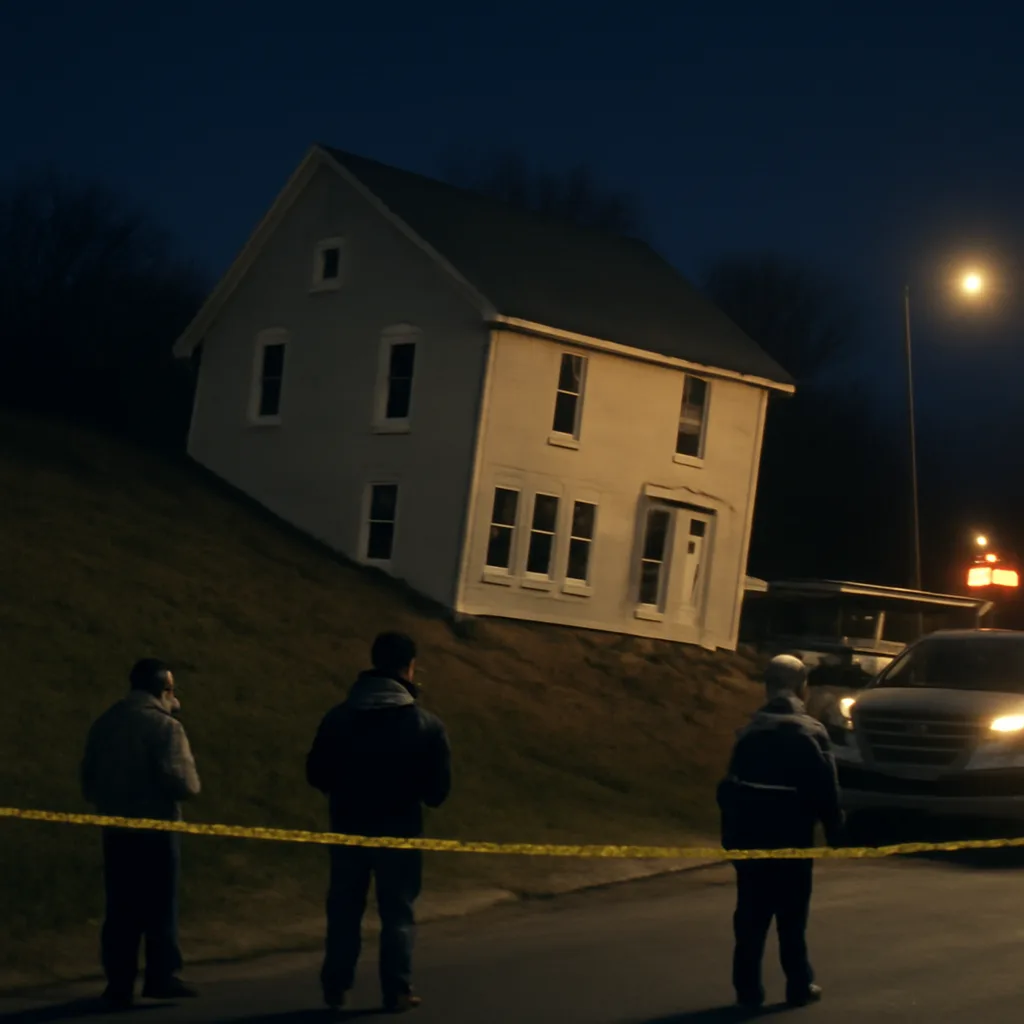
On April 26, 1999, a single-family home shifted downhill during the night after a slope failure; the structure remained standing, and residents were evacuated with no reported fatalities. The incident highlighted local concerns about land stability and prompted emergency inspections.
What happened
Reports indicate that a section of slope beneath or adjacent to the residence gave way, causing the house to shift from its original foundation. Although the structure remained largely intact and did not topple, doors and windows were distorted and utilities were disrupted. Neighbors and authorities described a scene of a house leaning or resting at an angle after sliding down the embankment.
Response and impact
Emergency responders prioritized resident safety, conducting evacuations and cordoning off the area. Utility companies were contacted to shut off gas, electricity, and water to reduce risk. Structural engineers and geotechnical specialists were brought in to evaluate the building’s condition and the stability of the remaining slope. The home was rendered uninhabitable pending repairs or demolition.
No confirmed fatalities were reported in contemporary accounts; however, the incident caused significant displacement for the occupants and raised broader community concern about hillside development and drainage management.
Possible causes
Slope failures that move houses typically result from a combination of factors rather than a single cause. Heavy or prolonged rainfall, changes in groundwater levels, inadequate drainage, altered load conditions (such as added weight uphill), poor soil compaction, and erosional processes can all contribute. In developed areas, excavation, poorly designed retaining structures, or disturbed vegetation can exacerbate instability. Official post-event analyses usually rely on site-specific geotechnical investigation to identify primary triggers and contributory factors.
Aftermath and lessons
Events in which houses slide without immediate collapse often prompt municipal reviews of landslide risk, building permits, drainage infrastructure, and emergency planning. Authorities commonly require detailed inspections, remediation plans for slope stabilization, and decisions about repair versus demolition based on structural assessments and cost-benefit analyses. The incident in April 1999 underscored the need for ongoing monitoring and maintenance of slopes near residences and for homeowners to be aware of signs of slope movement—such as new cracks in foundations, sticking doors and windows, or tilting trees.
Uncertainties and record limits
Publicly available records from the event vary in detail, and specifics about the house’s exact movements, the full technical diagnosis, and long-term outcomes for the property differ by source or are not always preserved in summary accounts. Contemporary engineering reports, emergency agency logs, and local news archives would provide the most complete factual record for anyone seeking further verification.
Context
Landslides that affect individual houses are relatively uncommon but recurrent in regions with steep terrain, certain soil types, or seasonal heavy rains. While some incidents result in collapse and casualties, others—like this one—produce dramatic movement with less catastrophic structural failure but significant disruption for residents and follow-up costs for stabilization and reconstruction.
This account summarizes the core, verifiable elements of the April 26, 1999 event: a house slid downhill overnight without collapsing, residents were evacuated, and the episode prompted safety inspections and concern about slope stability. Detailed technical conclusions require consulting original engineering or municipal reports from that time.