
← Back
03/07/1692 • 5 views

Accusations in the Salem witch trials extend to children
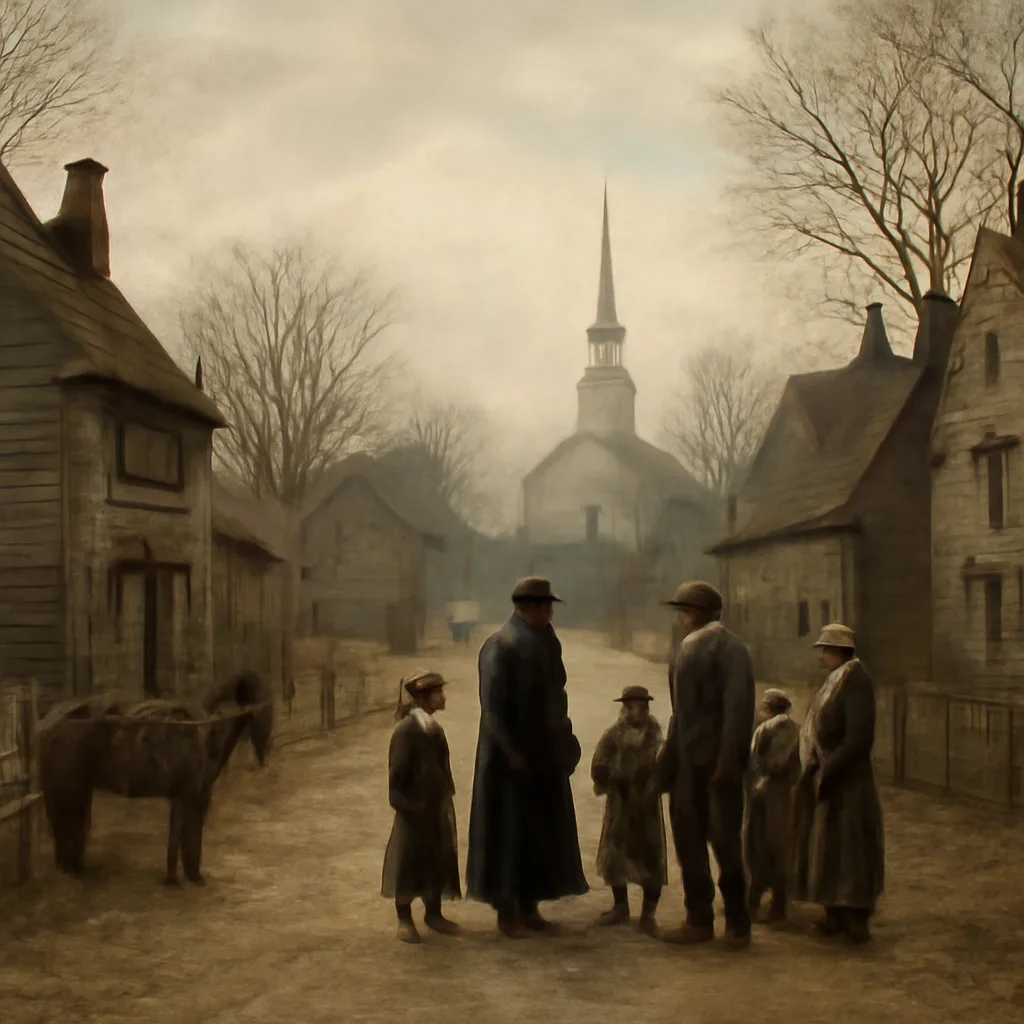
A late 17th-century New England village street with wooden houses and a small group of children and adults gathered in the dirt road, showing somber faces and plain colonial clothing.

In March 1692, accusations linked to the Salem witch trials began implicating children, expanding the scope of the crisis and intensifying community fear and legal responses in colonial Massachusetts.


In early March 1692 the unfolding witchcraft panic in Salem Village and surrounding communities widened to include children among the accused and the afflicted. What began in late winter with fits and complaints by a small group of girls soon involved younger members of families and altered how neighbors, ministers, and magistrates understood and responded to charges of diabolical activity.

Background: The Salem witchcraft accusations started in January–February 1692 when several young women and girls in Salem Village reported strange symptoms and fits, which were interpreted by some neighbors and clergy as evidence of witchcraft. Local anxieties—shaped by recent smallpox and frontier violence, disputed property and family tensions, and existing Puritan beliefs about the unseen spiritual realm—helped set the stage for rapid escalation.

Children as accusers and afflicted: By March 7, 1692, records and contemporary accounts show that accusations and afflictions were not limited to adolescent girls but included younger children who either reported symptoms themselves or were named by older accusers. The involvement of children had multiple effects: it broadened the social reach of suspicion, brought additional families into conflict with authorities, and made claims feel more urgent because children were perceived as particularly vulnerable to spiritual harm.

Legal and community impact: The extension of accusations to children influenced how magistrates and ministers handled cases. Officials such as magistrates in Salem and neighboring towns held examinations that recorded testimony from minors alongside adults. The presence of children in court and in complaint narratives heightened public attention and sometimes increased the credibility accorded to accusations, in part because children were often seen as less likely to fabricate such experiences. At the same time, the reliance on children’s testimony raised later questions about reliability and suggestion, concerns that historians and legal commentators have emphasized in retrospective accounts of the trials.

Social dynamics and family strain: Children’s involvement intensified domestic stress. Families of accused adults faced not only legal peril but also the challenge of caring for and explaining the behavior of distressed children. In other households, parents who believed their children were afflicted pressed for examinations or sought the counsel of ministers, adding to the pressure on local institutions to act swiftly. Neighbor disputes, inheritance quarrels, and preexisting enmities could be reframed in spiritual terms when children were involved, widening the circle of suspicion.

Aftermath and historical perspective: The participation of children in the Salem process is one of several factors scholars cite in interpreting why the crisis spread so quickly. Historians note that children’s testimonies were variably treated by contemporaries and that the role of suggestion, coaching, and communal contagion remains debated. By the time the trials ended later in 1692 and into 1693, the episode had left lasting influence on legal standards, communal memory, and cultural portrayals of witchcraft accusations. Modern assessments emphasize caution in reading children’s testimonies and highlight the broader social, medical, and political contexts that shaped the events.

Uncertainties and scholarly debate: Precise details—such as exact numbers of children involved at specific moments or the degree to which testimony was shaped by adults—are subjects of ongoing research. Surviving court records, ministerial notes, and later recollections provide partial but not always consistent evidence, so historians qualify claims about children’s roles and emphasize multiple contributing causes rather than a single explanation.

Share this

Email Share on X Facebook Reddit

Did this surprise you?