
09/14/1966 • 5 views
1966 Italian floods and landslides leave hundreds dead
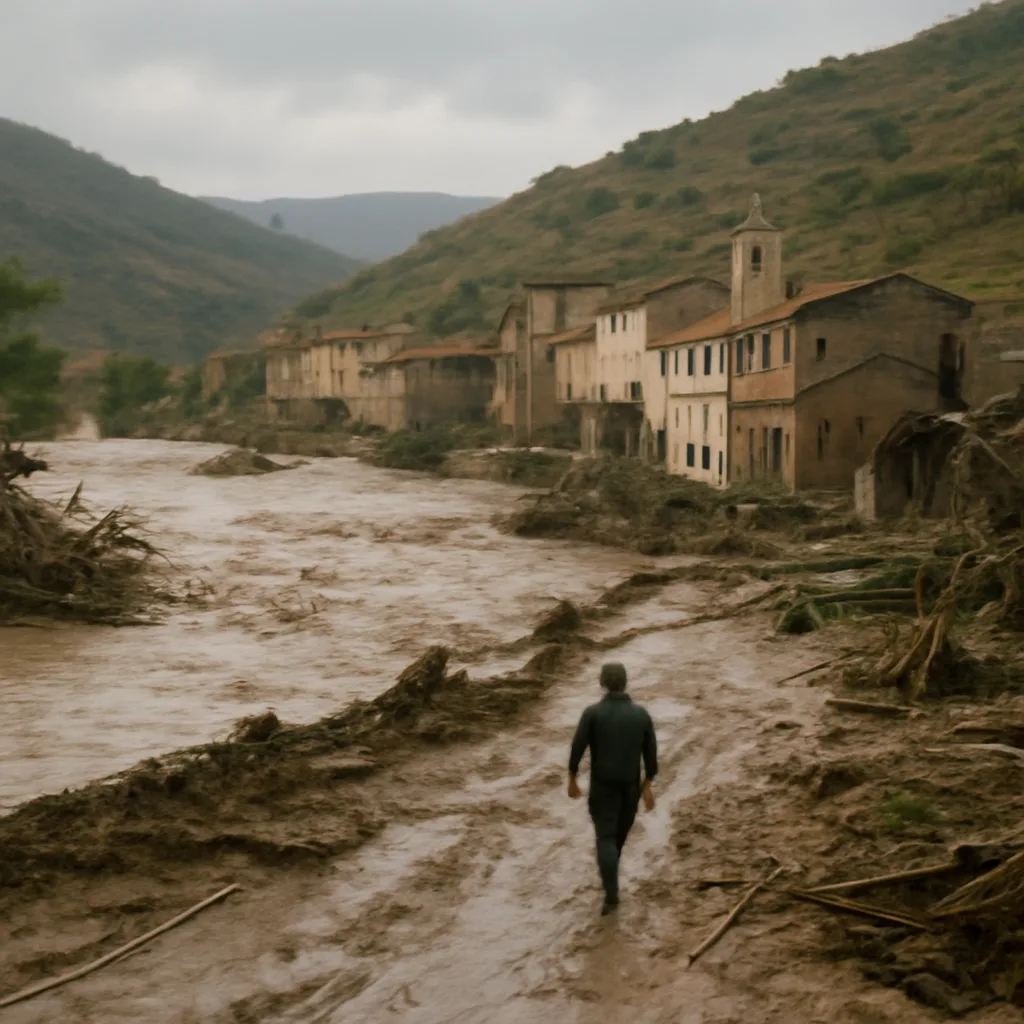
In mid-September 1966, intense rainstorms triggered catastrophic flooding and landslides across parts of Italy, especially in the Abruzzo and Marche regions, resulting in widespread destruction and loss of life estimated in the hundreds.
The combination of intense rain on already vulnerable terrain amplified the disaster. Many settlements in these regions sit in narrow valleys and on hill slopes; when soils became saturated, slopes failed and mudflows swept through inhabited areas. Roads, bridges, and communication lines were damaged or cut, complicating immediate rescue and relief efforts. Local emergency services, military units, and volunteers carried out search-and-rescue operations, but the scale of destruction overwhelmed initial capacities.
Casualty figures from the event vary among contemporary reports; estimates place the death toll in the hundreds, with numerous injuries and many more rendered homeless. Agricultural land and livelihoods were heavily impacted: crops were destroyed, livestock lost, and farm buildings damaged, exacerbating the humanitarian and economic toll on largely rural communities.
Local and national authorities responded with relief measures, including temporary shelter for displaced people, distribution of food and clothing, and infrastructure repairs. The disaster prompted assessments of land management and the need for improved early-warning and civil-protection arrangements in mountainous and hilly regions prone to flash floods and landslides.
Contemporary newspaper accounts and government records document the event but provide differing details on exact numbers and the geographic spread, reflecting the difficulty of communications and reporting in the immediate aftermath. Historians and local archives have since examined the 1966 floods as part of broader studies on Italy’s vulnerability to hydrological disasters and the evolution of emergency response in the late 20th century.
The 14 September 1966 floods are remembered locally for their suddenness and the scale of damage to small communities. In the decades after, reconstruction and mitigation efforts aimed to reduce future risks, including reforestation, slope stabilization projects, and improvements to drainage and river management in some affected areas. The event remains a reference point in studies of post-war Italy’s approach to civil protection and environmental management.