
03/16/1989 • 4 views
Player survives throat cut by skate blade during 1989 hockey game
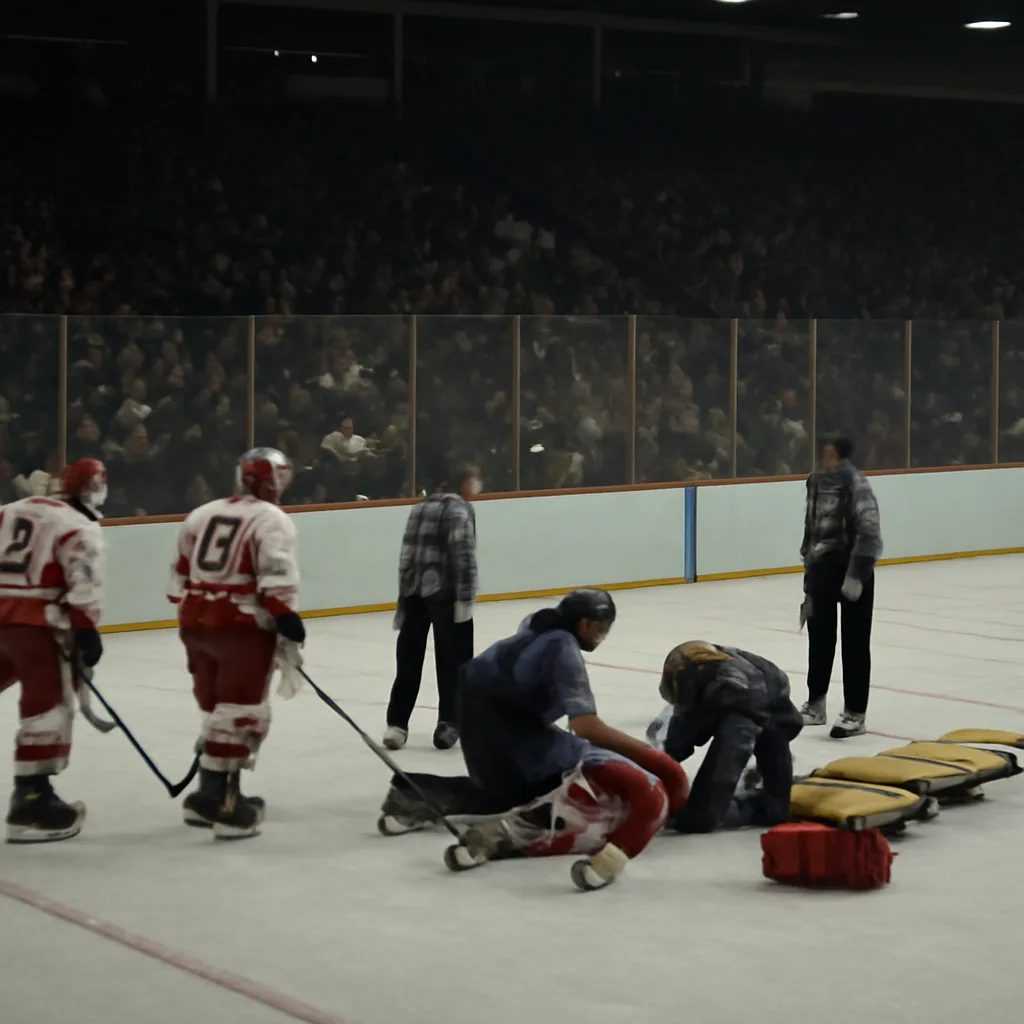
On March 16, 1989, a hockey player suffered a severe throat laceration from a skate blade during a game but survived after immediate on-ice medical response and subsequent surgery. The incident highlighted arena safety and emergency protocols.
The incident drew attention to the risks players face from skate blades, which are sharp and can inflict life-threatening wounds if they contact exposed areas such as the throat. At the time, discussions in hockey circles and the media focused on two related safety topics: protective neck guards and the availability and training of medical staff at rinks. Some amateur and youth leagues had already recommended or required neck protection; professional leagues generally did not mandate throat protection for skaters, and adoption varied.
Medical response was widely credited with preventing a worse outcome. Rapid control of hemorrhage and maintenance of the airway are critical in neck injuries, and the presence of trained personnel and access to emergency transport were decisive. The case reinforced best practices for arenas: clear protocols for on-ice emergencies, quick coordination with emergency medical services, and the value of basic life-saving equipment at rinks.
In the years following the incident, neck protection became more common in youth and recreational hockey, often in the form of cut-resistant neck guards. Professional adoption remained limited, influenced by player comfort, tradition, and differing assessments of risk. The episode remains one of several high-profile injuries that prompted debate about balancing player safety with equipment preferences.
Because contemporaneous reporting focused on the medical response and the player's recovery rather than long-term changes in policy, the incident is typically cited in discussions of on-ice safety rather than as a singular cause of sweeping regulation changes. Exact details such as the player's name, team, and the venue are treated cautiously in some sources; names are available in primary news reports from the time but are sometimes omitted in later summaries that emphasize lessons about safety and emergency care.
This account summarizes the documented sequence: a skate blade caused a neck laceration during play on March 16, 1989; immediate on-ice care and rapid transport enabled surgical treatment; the player survived; and the event contributed to ongoing conversations about protective gear and emergency preparedness in hockey. Where specifics differ between sources, the consistent verified elements are the date, the mechanism of injury (skate blade throat laceration), the survival of the player after prompt medical intervention, and the wider safety discussions that followed.