
03/16/1968 • 6 views
The My Lai Massacre, March 16, 1968
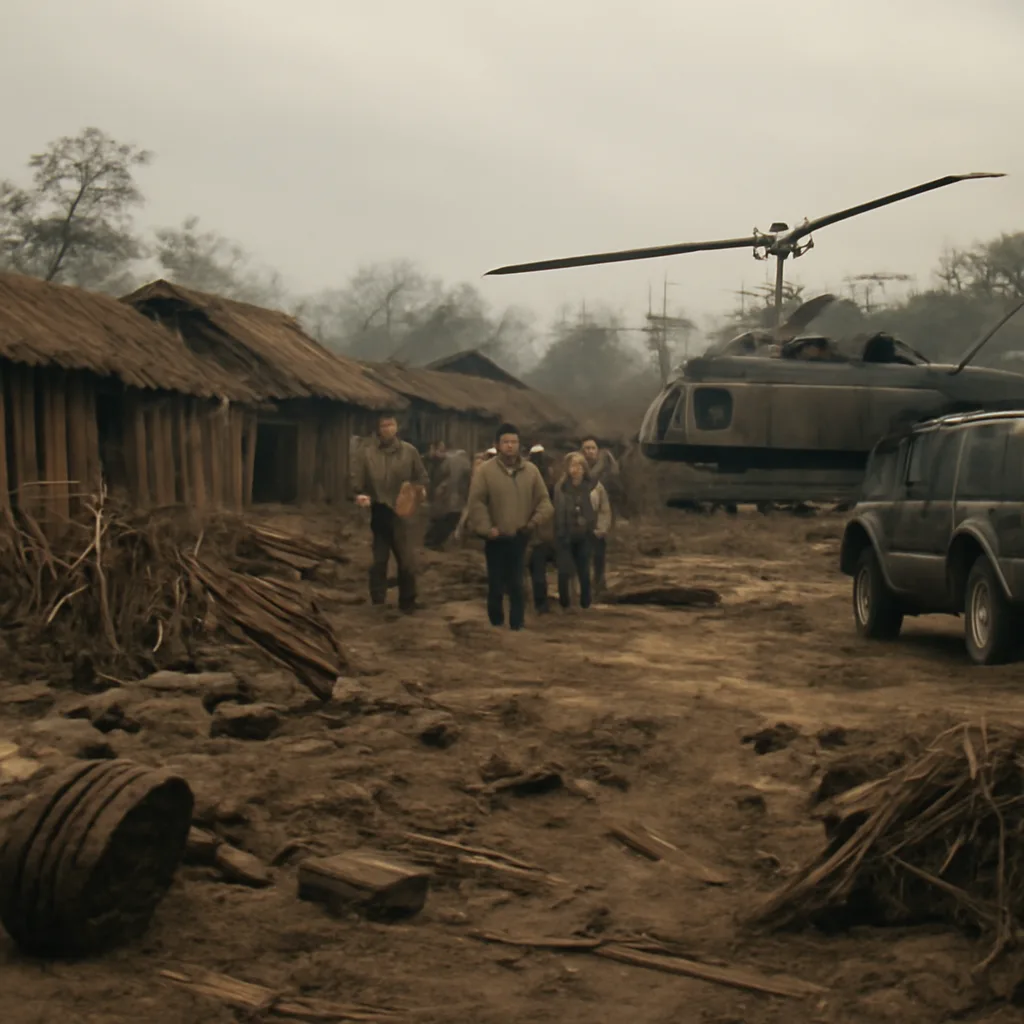
On March 16, 1968, U.S. Army soldiers killed hundreds of unarmed Vietnamese civilians in the hamlet of My Lai during the Vietnam War; the killings and subsequent cover-up became a pivotal moment in American and international responses to the war.
The operation took place within the broader context of a counterinsurgency campaign in a region where Viet Cong activity had been reported. Soldiers on the ground claimed confusion about enemy presence, and some officers alleged they had been fired upon—claims that later investigations found to be unsupported in many instances. Many victims were unarmed and attempting to flee or hide; some were reportedly mutilated or subjected to other atrocities.
News of the killings did not reach the wider public immediately. Initial Army reports characterized the operation as a success against enemy combatants. Allegations of wrongdoing were first brought to light by U.S. helicopter crew members who witnessed killings and by an internal Army investigation initiated by officers who became aware of the incident. The story entered public consciousness more fully after investigative reporting by journalists and the whistleblowing of individuals such as Army helicopter pilot Warrant Officer Hugh Thompson, who intervened to stop killings and later reported what he had seen.
A formal Army inquiry—the Peers Commission—was convened in late 1969 and issued a report in 1970 that documented extensive instances of criminal behavior, command failures, and an attempted cover-up by some officers and enlisted personnel. Legal proceedings followed: dozens of soldiers were charged with crimes ranging from murder to dereliction of duty. Most were acquitted or had charges dropped; the most prominent conviction, of Lieutenant William L. Calley for murder, resulted in a life sentence that was later reduced and effectively commuted after public and political controversy. Calley served a portion of his sentence under house arrest.
The My Lai events and the subsequent handling of the case had far-reaching consequences. They intensified debate inside the United States about the morality and conduct of the Vietnam War, contributed to antiwar sentiment, and prompted changes in military training and rules of engagement aimed at preventing similar atrocities. The massacre became a symbol for many critics of the war of the human cost of counterinsurgency operations and of failures in military oversight and accountability.
Scholars, veterans, and survivors have continued to study and remember My Lai. Memorials and reconciliation efforts have taken place in Vietnam and among some American veterans' groups. Historical accounts rely on military records, eyewitness testimony from multiple sides, journalistic investigations, and the Peers Commission report. Some details—such as the full number of victims and the precise sequence of decisions by particular officers—remain subjects of research and differing accounts. What is undisputed in the historical record is that on March 16, 1968, a mass killing of Vietnamese civilians occurred at My Lai, and that the event and its aftermath had a lasting impact on perceptions of the Vietnam War.