
08/22/1985 • 5 views
1985 European Wine Poisonings Expose Contaminated Alcohol in Musts and Brandies
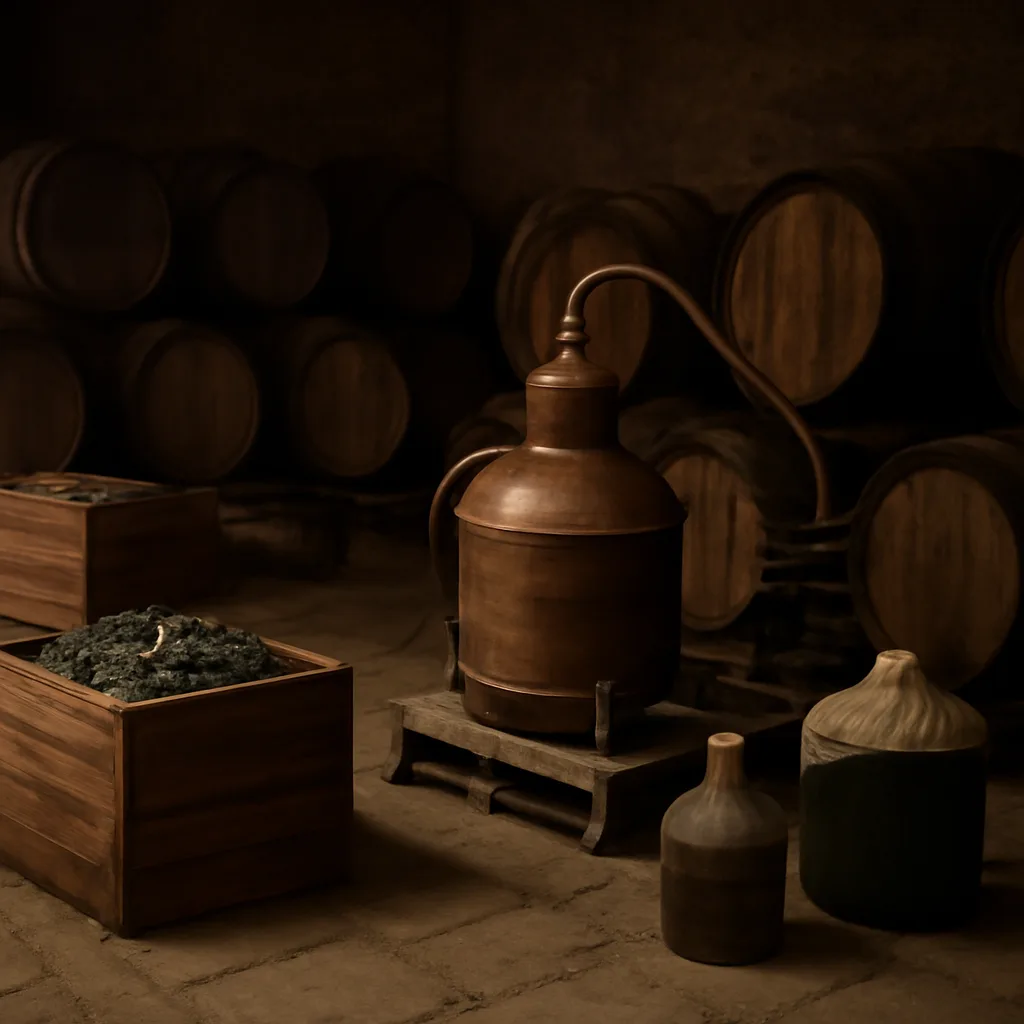
In August 1985 a wave of methanol poisonings tied to adulterated wine and fruit spirits across Spain and Portugal—and affecting other European countries—killed and blinded hundreds, exposing gaps in regulation and law enforcement around denatured industrial alcohol diverted into beverage production.
The epidemic unfolded amid a complex mix of economic pressures and regulatory blind spots. Spain and Portugal were then undergoing rapid changes in wine markets and rural economies; small-scale winemakers and distillers often operated with limited oversight. Industrial alcohol, intended for non-consumptive uses and sometimes denatured to discourage ingestion, entered the beverage supply chain when unscrupulous middlemen or producers substituted it for potable ethanol to increase volume or reduce costs. Methanol is produced during improper distillation of fruit pomace and is a common contaminant in artisanal spirits; industrial methylated spirits additionally contained high methanol concentrations that make them far more dangerous when consumed.
Clinical presentations ranged from blurred vision and headache to acute blindness, coma and death. Medical teams noted optic nerve damage characteristic of methanol poisoning; survivors frequently suffered permanent visual impairment. Authorities reported hundreds of victims across the affected regions, and fatalities ran into the dozens and possibly higher—precise counts varied by source and were complicated by delayed reporting, cross-border cases and differing diagnostic capacities.
Public health responses included bans on sale and transport of certain denatured alcohols, seizures of suspect batches, temporary market restrictions on informal spirits and intensified inspections of wineries and distilleries. Governments also launched information campaigns warning the public about the risks of consuming unlabelled or unusually cheap alcohol. Law enforcement investigations targeted illicit suppliers and networks that supplied industrial alcohol to beverage producers; prosecutions followed in some cases.
The scandal exposed regulatory and enforcement weaknesses: inadequate controls over distribution of industrial denaturants, limited oversight of small-scale or home distillation, and gaps in lab capacity for rapid toxicological confirmation. It also spurred policy debate about how to protect consumers without criminalizing traditional artisanal production. In subsequent years authorities in affected countries tightened controls on methylated spirits, improved labeling and traceability, and invested in public-health surveillance for acute poisoning events.
Historical accounts note that this crisis was neither a single, centrally organized contamination nor a simple industrial accident but a series of related episodes driven by market substitution and opportunistic diversion of toxic industrial alcohol into the food chain. Exact casualty figures and the full extent of cross-border distribution remain the subject of differing reports; contemporary press and later public-health reviews provide varying estimates. What is clear is that the 1985 poisonings prompted lasting regulatory changes and heightened awareness across Europe about the risks posed when industrial chemicals enter food and drink supply chains.