
← Back
01/11/2001 • 7 views

Draft Sequence of the Human Genome Published
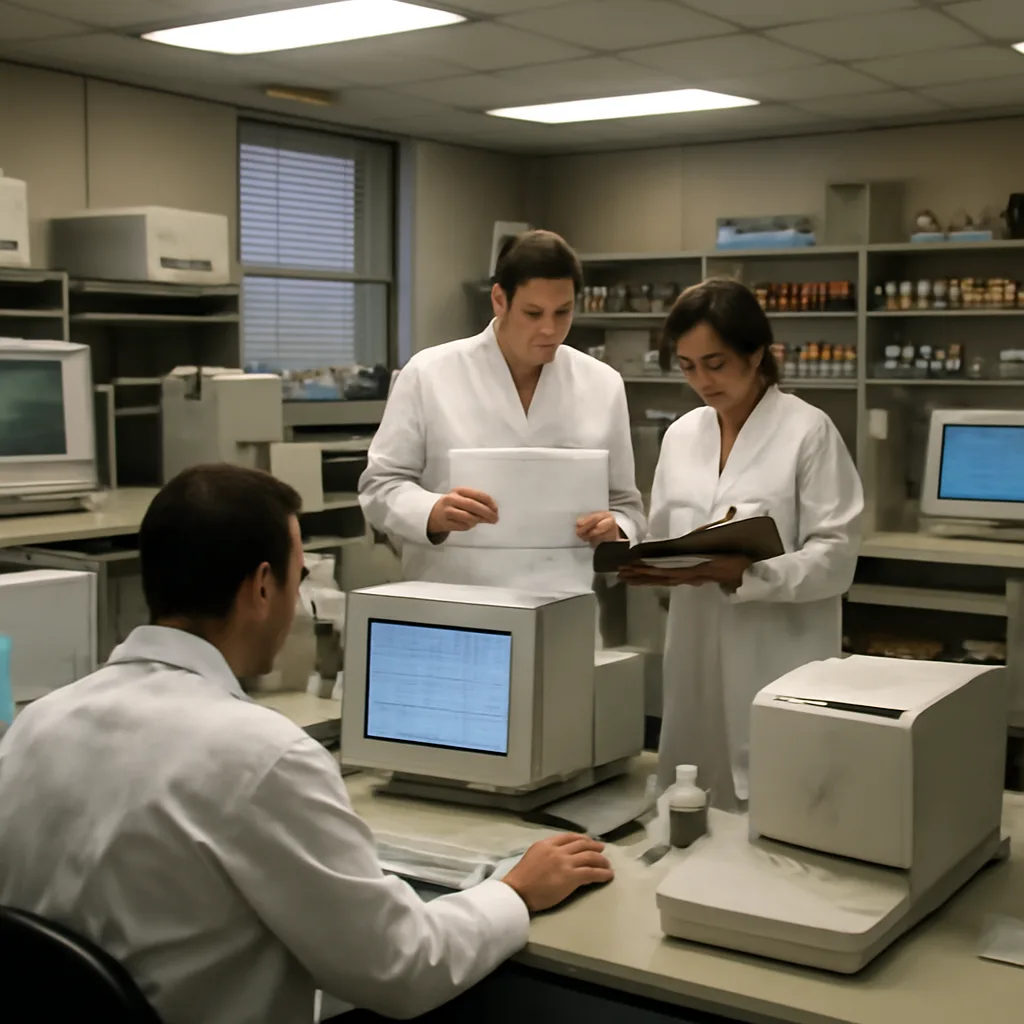
Scientists and technicians in a genomics laboratory circa 2000, with computer terminals, sequencing equipment, and printed DNA sequence readouts on desks.

On January 11, 2001, researchers released the first draft sequence of the human genome, marking a major milestone in biology by providing a nearly complete reference of human DNA and accelerating genetic research and medicine.


On January 11, 2001, two groups released highly anticipated draft sequences of the human genome, providing the first large-scale public view of the human DNA code. The drafts, produced by an international public consortium led by the Human Genome Project (HGP) and by the private company Celera Genomics, gave researchers and the public access to the order of billions of DNA base pairs that make up human chromosomes.

The HGP began in 1990 as a coordinated international effort to map and sequence the human genome, with participating centers in the United States, United Kingdom, Japan, France, Germany and elsewhere. Celera, founded in 1998 by J. Craig Venter and colleagues, pursued a parallel sequencing effort using different strategies and aimed to accelerate the timetable through proprietary methods and computational assembly. The simultaneous releases reflected both collaboration and competition: the groups published their findings in companion papers in the journal Nature (HGP) and Science (Celera), outlining methodologies, coverage and initial analyses.

Neither draft was complete or error-free. The sequences were described as draft assemblies that left gaps, unresolved repetitive regions and uncertain ordering in some areas. Nonetheless, they provided a working reference sequence with broad coverage of coding regions and many noncoding regions, enabling immediate advances in gene discovery, comparative genomics and medical genetics. The drafts identified thousands of genes, offered insights into gene density and distribution, and highlighted abundant repetitive elements and structural variation in the genome.

Release of the draft sequences catalyzed numerous downstream developments. Public databases made sequence data widely available, fostering the growth of bioinformatics resources and enabling researchers worldwide to search for genes linked to disease, study evolutionary relationships, and develop new diagnostics and therapies. The draft also prompted debates over data access, intellectual property and the ethics of genomic information; Celera’s approach to data distribution and commercialization was a focal point of discussion. Over subsequent years, teams refined and closed many gaps, culminating in progressively more complete reference assemblies.

Historically, the 2001 drafts are seen as a turning point: they transformed genetics from a field focused on individual genes to one capable of analyzing whole genomes, reshaping biomedical research and spawning technologies such as high-throughput sequencing and large-scale genomic studies. The work laid groundwork for projects that followed, including the finishing of the human reference genome, population-scale sequencing efforts, and initiatives to understand genetic variation across diverse human populations.

While the drafts did not immediately resolve all questions about the human genome, they established an essential resource and demonstrated the power of large collaborative science. Their publication on January 11, 2001, remains a defining moment in the history of biology and medicine.

Share this

Email Share on X Facebook Reddit

Did this surprise you?