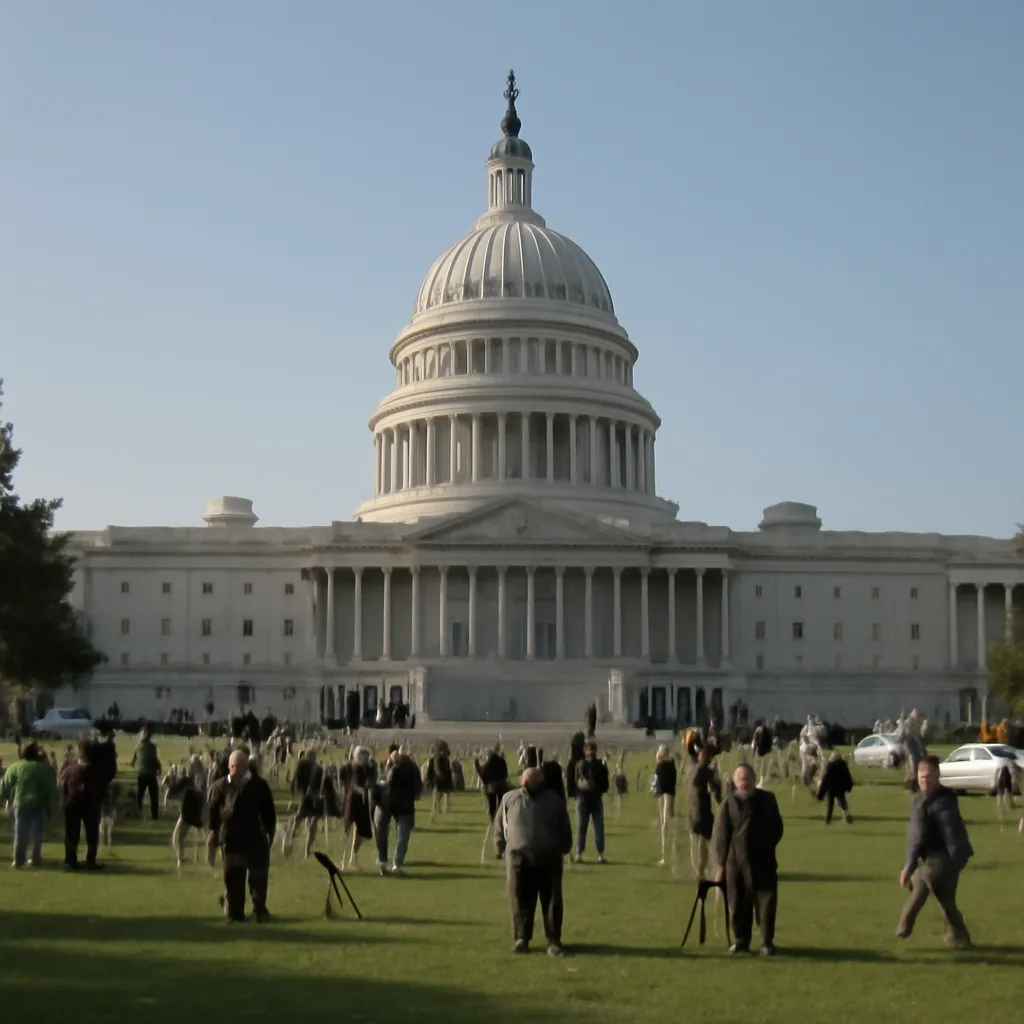
Senate Authorizes Use of Force in Response to September 11 Attacks
On September 14, 2001, the U.S. Senate passed a joint resolution authorizing the president to use all necessary and appropriate force against those responsible for the September 11 terrorist attacks, marking a pivotal legal step toward U.S. military action.
On September 14, 2001, three days after the terrorist attacks of September 11, the United States Senate approved a joint resolution authorizing the president to use military force against those responsible for the attacks. The measure, formally titled the Authorization for Use of Military Force (AUMF), granted broad authority to employ “all necessary and appropriate force” against entities linked to the planning, authorization, or execution of the attacks. The authorization was passed quickly and with overwhelming bipartisan support amid heightened national security concerns and public demand for a government response.
Background
In the immediate aftermath of the attacks, federal leaders moved to provide the executive branch with legal authority to pursue those behind the strikes. The House of Representatives approved the AUMF on September 14; the Senate followed that day. The swift congressional action reflected a consensus that military, law enforcement, intelligence, and diplomatic measures would be needed to prevent further attacks and to hold perpetrators accountable.
Content and scope
The resolution did not name a specific nation or group but referred to those “heavily implicated” in the attacks and authorized force against nations, organizations, or persons the president determined were responsible. It empowered the president to determine when, how, and against whom force would be used, and it did not include a fixed timeline or geographic limitation. Supporters argued that the language was deliberately broad to allow flexibility in pursuing nonstate actors and any state sponsors. Critics raised concerns that the open-ended mandate could enable prolonged or expansive military commitments without further congressional authorization.
Legislative process and vote
Debate in both chambers was brief and conducted under the pressure of national crisis. The Senate vote (after House passage) reflected substantial bipartisan backing; only a small minority opposed the measure. Lawmakers framed the vote as a necessary legal foundation for immediate and future actions to disrupt terrorist networks, dismantle their capabilities, and prevent additional attacks on U.S. territory or interests.
Immediate and long-term consequences
The AUMF provided the legal basis for U.S. military operations beginning with strikes against al-Qaeda and Taliban targets in Afghanistan, marking the start of what became known as the Global War on Terror. It also underpinned subsequent counterterrorism activities worldwide, including detention, targeting, and intelligence operations. Over time the AUMF’s broad language generated debate about presidential war powers, congressional oversight, and how long such authorizations should remain in effect. Courts, lawmakers, and scholars have disagreed about the scope of the AUMF and its applicability to different conflicts and actors.
Historical significance
The Senate’s authorization on September 14, 2001, stands as a defining legal and political response to the 9/11 attacks. It enabled rapid military action and shaped U.S. national security policy for decades, while also prompting ongoing discussions about the balance of power between Congress and the presidency, the limits of military force, and the need for periodic congressional reassessment of wartime authorities.
Note on sources
This summary is based on contemporaneous legislative records and subsequent historical analyses of the Authorization for Use of Military Force passed in September 2001. Where interpretations of scope and impact differ among legal scholars and policymakers, this text notes those debates without asserting contested conclusions.