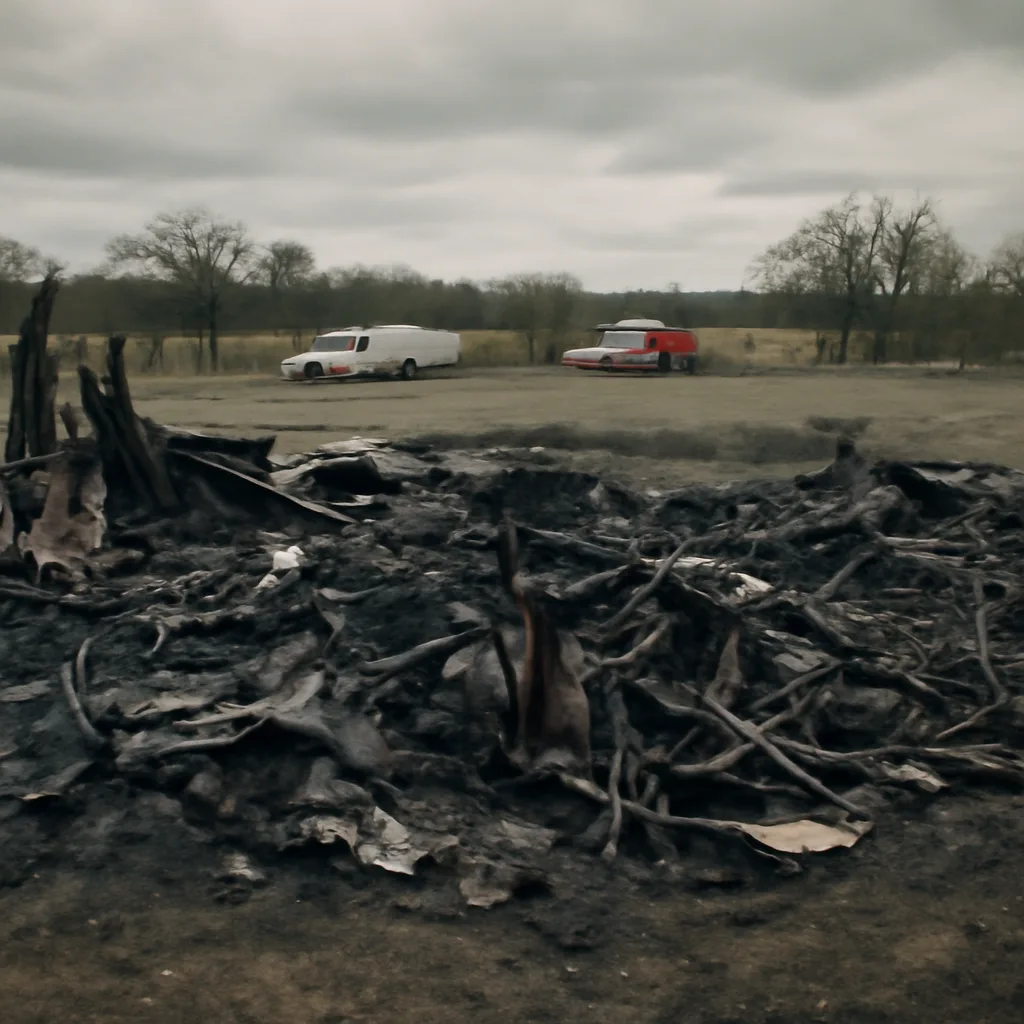
Branch Davidian siege ends in a deadly fire near Waco, Texas
After a 51-day standoff between federal agents and the Branch Davidian religious group near Waco, Texas, a large fire consumed the group's Mount Carmel compound on April 19, 1993, resulting in the deaths of more than 70 people and prompting years of investigations and controversy.
On April 19, 1993, the 51-day siege at the Branch Davidian Mount Carmel compound near Waco, Texas, which began with a Bureau of Alcohol, Tobacco and Firearms (ATF) raid on February 28, ended when a fire swept through the complex during an FBI tactical operation. The compound, occupied by followers of David Koresh (born Vernon Howell), burned in a matter of hours; officials later reported that 76 people died, including Koresh and many children. The exact number and circumstances of individual deaths have been subject to official investigation and public controversy.
Background: The standoff followed an ATF attempt to execute a search and arrest warrant related to alleged weapons violations and reports of child abuse. The initial February raid resulted in a gunfight that left four ATF agents and six Branch Davidians dead, after which the FBI initiated a prolonged siege that included negotiations and psychological and tactical operations intended to compel surrender.
Events of April 19: On the morning of April 19, the FBI began what it described as a final phase of the operation, using armored vehicles to insert tear gas into the compound to force occupants out. Within hours, fires were observed in multiple buildings of the compound. FBI and other federal officials stated that Branch Davidians had started the fires; survivors and some observers contended that fires were caused or spread by government actions or by the effects of military-style operations. The conflagration destroyed most of the compound.
Casualties and immediate aftermath: Federal authorities reported that 76 people died, including children. Some survivors escaped or were removed by federal agents during the siege's final hours. The sheer scale of the deaths, the presence of children among the dead, and the destruction of the compound prompted national shock and intense media coverage.
Investigations and controversy: Multiple investigations followed, including inquiries by the Department of Justice, the Bureau of Alcohol, Tobacco and Firearms, the FBI, and congressional committees. A Department of Justice report in 1993 declined to bring criminal charges against federal agents, concluding that there was insufficient evidence to prosecute. Other studies and independent reviews reached differing or qualified conclusions about whether federal tactics contributed to the fire or whether the Branch Davidians intentionally set it. In 2000, a civil suit by survivors resulted in a settlement from the federal government without admission of wrongdoing.
Legacy and public response: The Waco siege and its violent end had a lasting impact on public debate over federal law enforcement tactics, religious freedom, and gun regulation. The event has been cited in discussions of government overreach and has been invoked by various extremist groups and individuals in later years. It also prompted changes in how federal agencies plan and coordinate sieges and high-risk arrests.
Historical notes and disputes: While official counts and reports provide a framework of events, several details remain disputed among survivors, law-enforcement officials, independent researchers, and the public. Questions about the origin and spread of the April 19 fires, the conduct of negotiations, and the proportionality of force used have been central to ongoing debate. For readers seeking primary documentation, contemporaneous government reports, congressional hearings, and well-sourced journalism from the period offer detailed accounts and source material.
The Waco siege remains a deeply contentious and consequential episode in recent American history, remembered for its tragic loss of life and its influence on law enforcement policy and public trust in government institutions.