
10/08/2001 • 5 views
U.S. Announces Creation of Department of Homeland Security
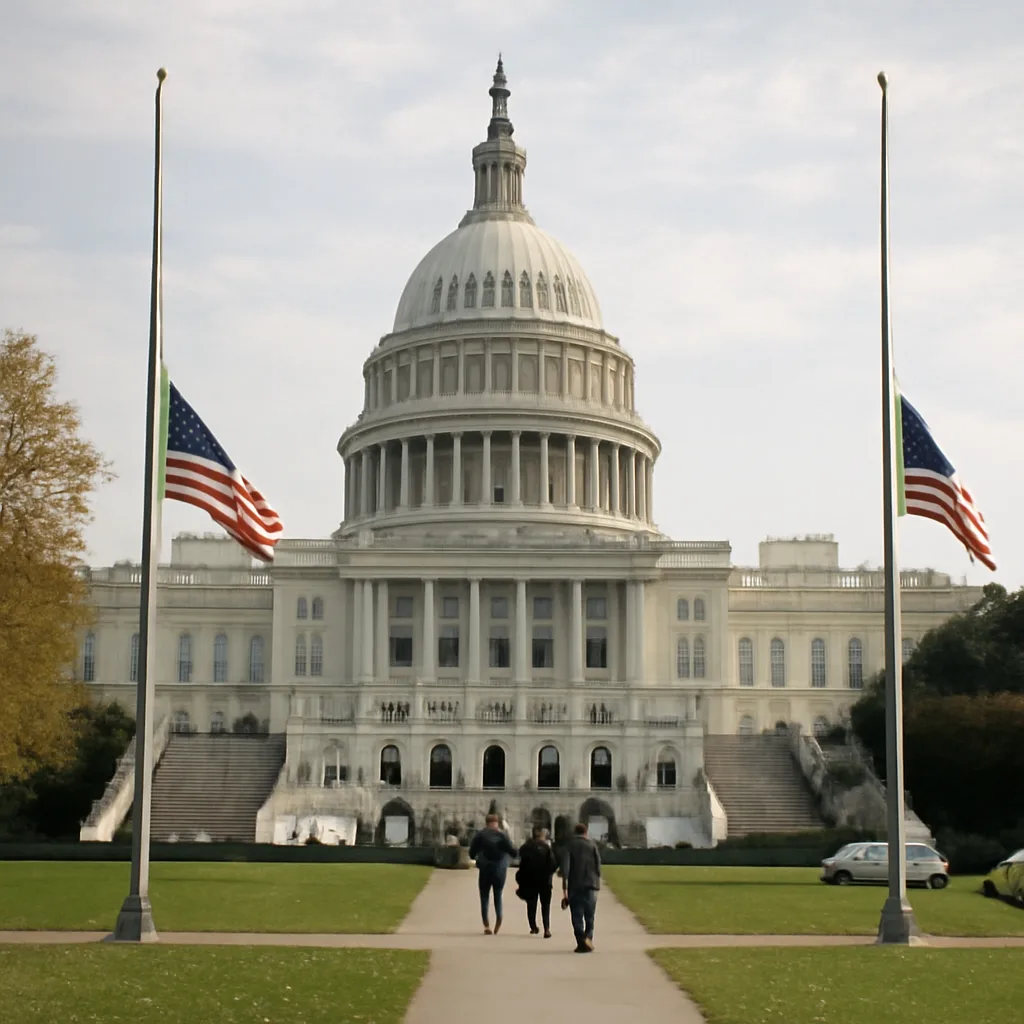
On October 8, 2001, the U.S. announced plans to create the Department of Homeland Security, a cabinet-level agency to coordinate federal domestic security and counterterrorism efforts in the aftermath of the September 11 attacks.
Background and rationale
Before DHS, responsibilities for domestic security were split across numerous departments and agencies, including the Immigration and Naturalization Service (INS), the Federal Emergency Management Agency (FEMA), the U.S. Coast Guard, the Transportation Security Administration (TSA, created earlier in 2001), Customs Service, Secret Service, and parts of the Department of Justice and Department of Agriculture. The September 11 attacks exposed perceived gaps in coordination, information sharing, and border and transportation security. The administration argued that a single cabinet-level department would improve unity of command, streamline homeland security policy, and consolidate resources.
Announcement and immediate steps
The October 8 announcement laid out the intent to create a new department that would bring together agencies with homeland security missions under one secretary. At the time, the plan was a proposal requiring congressional legislation to implement. The administration and congressional leaders began negotiations on which agencies would transfer, how to protect civil liberties, and how to fund the new department. The announcement also emphasized priorities such as aviation security, border protection, emergency preparedness, and intelligence sharing with state and local governments.
Legislative process and organizational challenges
Following the announcement, Congress took up multiple bills and proposals. Lawmakers debated the scope and structure of the new department, including which agencies to include and how to preserve existing missions (for example, distinguishing whether the Coast Guard should remain within the Department of Transportation or move to DHS). Concerns were raised about civil liberties, oversight, and whether consolidation would hamper specialized missions. The legislative process involved extensive hearings, markup sessions, and negotiations between House and Senate leadership, culminating in the Homeland Security Act of 2002, which Congress passed and President Bush signed into law on November 25, 2002. The new department became operational on January 24, 2003.
Impact and legacy
The creation of DHS represented one of the largest reorganizations of the federal government since the creation of the Department of Defense after World War II. DHS consolidated 22 federal agencies into a single department charged with preventing and responding to domestic threats, including terrorism, natural disasters, and border security challenges. The department’s establishment reshaped federal interactions with state and local emergency responders, law enforcement, and private-sector critical infrastructure operators.
The reorganization generated ongoing debate. Supporters argued that DHS improved coordination and focused national attention and resources on homeland security. Critics pointed to persistent challenges in information sharing, bureaucratic complexity, civil liberties implications of expanded surveillance and immigration enforcement, and uneven performance during major incidents (for example, critiques of federal hurricane response were leveled at FEMA’s integration within DHS after Hurricane Katrina in 2005). Over time, DHS has evolved through internal reorganizations, new operational components, and legislative and administrative adjustments aimed at addressing identified shortcomings.
Historical context
The October 8, 2001 announcement was an early step in a broader post-9/11 national security transformation that included changes to intelligence collection and oversight, the creation of the Director of National Intelligence, and expanded counterterrorism authorities. The DHS creation process illustrates how catastrophic events can drive substantial institutional change in U.S. governance, producing both new capabilities and new controversies about effectiveness and rights.
Sources and verification
This summary is based on contemporaneous public statements by the Bush administration, congressional records on the Homeland Security Act of 2002, and subsequent historical analyses of post-9/11 organizational reform. Specific operational details and evaluations of DHS performance have been the subject of extensive governmental and scholarly review since the department’s founding.