
← Back
10/08/2008 • 4 views

European leaders hold emergency talks as banking turmoil spreads
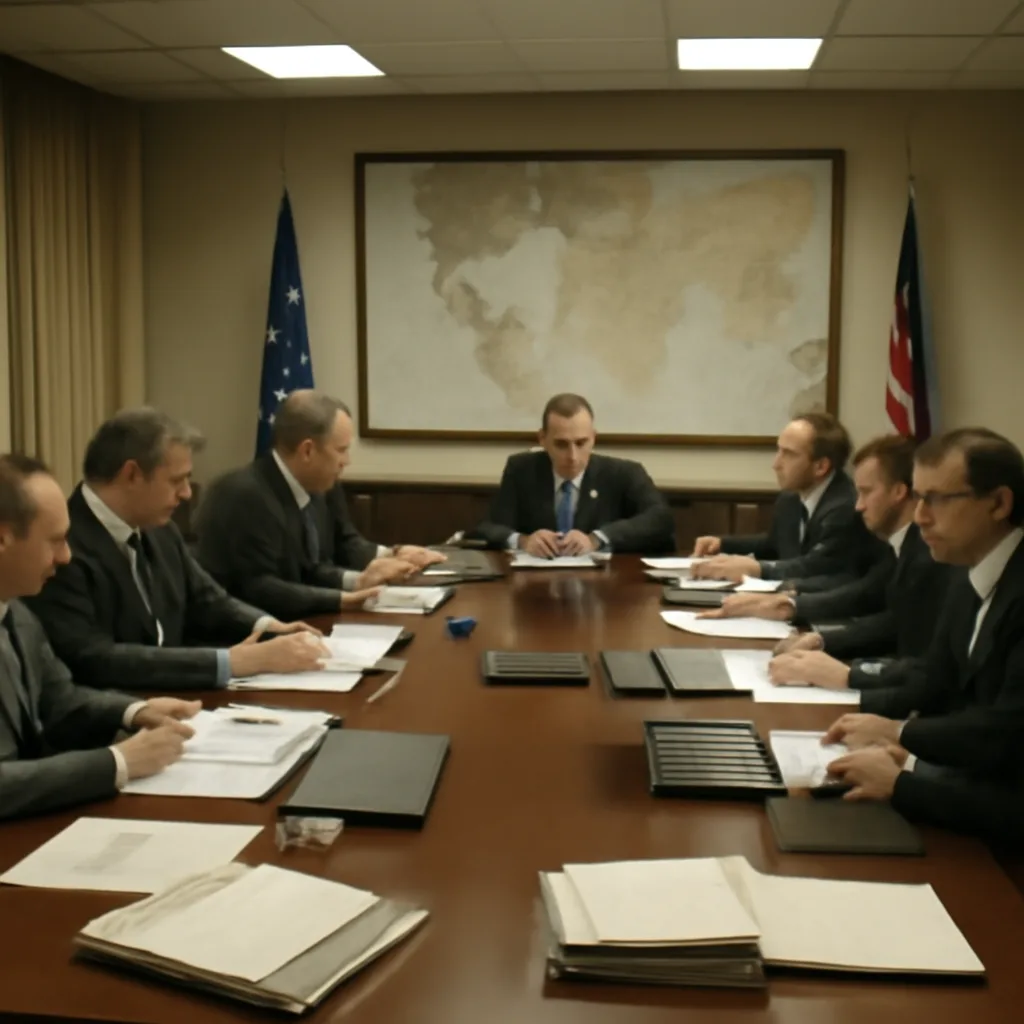
European finance ministers and central bankers seated around a conference table in a government meeting room, documents and laptops visible, reflecting an urgent crisis discussion in October 2008.

On October 8, 2008, European officials convened emergency meetings after U.S. financial shocks and strains in regional banks raised fears of a wider crisis; leaders discussed liquidity supports, bank guarantees and coordinated policy responses to stabilize markets.


On October 8, 2008, European political and financial leaders held emergency meetings in response to escalating turmoil in global banking markets that followed the collapse of major U.S. financial institutions and mounting strains at European banks. The sessions brought together finance ministers, central bank officials and heads of government to consider measures intended to restore confidence, protect depositors and ensure liquidity in interbank markets.

Context

The meetings occurred against the backdrop of the September–October 2008 global financial crisis. The failure of Lehman Brothers in mid-September and the subsequent rescue of other U.S. firms had triggered sharp losses, funding freezes and heavy pressures on banks worldwide. European banks were exposed through direct investment losses, reliance on wholesale funding, and links to U.S. credit markets, creating concerns that problems could spread through the financial system.

Key issues discussed

- Liquidity provision: Central banks in Europe were under pressure to provide large-scale liquidity to banks facing short-term funding shortages. Officials discussed expanding lending operations and currency swap lines to ensure institutions could meet obligations.

- Deposit protection and guarantees: Governments debated temporary guarantees on bank deposits and, in some cases, on bank bonds, to halt deposit runs and reassure investors. Several European countries subsequently announced or expanded public guarantee schemes for deposits.

- Coordinated fiscal and regulatory measures: Leaders weighed coordinated actions to shore up capital, impose temporary restrictions on short-selling, and increase transparency about banks’ exposures. There was an emphasis on coordination to prevent regulatory arbitrage and to present a united front to markets.

National responses and variation

Responses varied across countries depending on the size of their banking sectors and exposure. Several governments moved quickly to guarantee deposits and certain interbank liabilities; some established or enlarged state-backed rescue funds to recapitalize weakened banks. Others focused on central-bank liquidity operations while evaluating targeted capital support.

Market reaction and aftermath

News of emergency meetings and subsequent policy announcements produced mixed market reactions: short-term volatility remained elevated as investors assessed the adequacy of measures, but guarantees and central-bank actions helped to moderate fears of immediate systemic collapse. Over the following weeks and months, European and national authorities implemented a range of interventions—including bank rescues, asset guarantees and stress tests—aimed at stabilizing the system and rebuilding confidence.

Uncertainties and political implications

Policymakers faced trade-offs between rapid intervention to prevent contagion and concerns about moral hazard and fiscal costs. The crisis intensified debates about financial regulation, cross-border banking supervision, and the need for stronger European cooperation—issues that shaped reforms in ensuing years.

Conclusion

The emergency meetings on October 8, 2008, reflected the urgency in European capitals to respond to a fast-moving global financial crisis. While measures taken at the time helped to contain immediate panic and restore some liquidity, they also marked the beginning of a prolonged period of intervention, regulatory reform and political debate over how to prevent future systemic failures.

Share this

Email Share on X Facebook Reddit

Did this surprise you?